

Blood Bank Technologist



Quick Facts
Median Salary$72,671
Most Common EducationBachelor's degree
Projected 10-Year Growth+9.48%
Assessment MatchTake the Assessment
What They Do
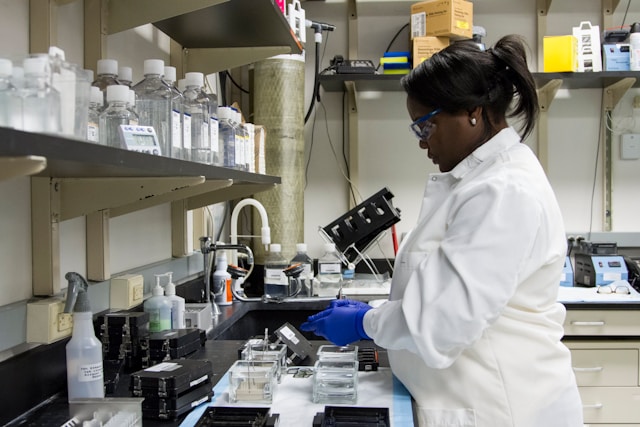
A Blood Bank Technologist works within hospitals or clinics to screen and draw blood from patients. Collect, label and prepare blood, plasma and other components for transfusions. Store blood draws and maintain documentation and records. Test blood for viruses, blood group antigens, compatibility and antibody identification.
Core Tasks:
- Count numbers of chromosomes and identify the structural abnormalities by viewing culture slides through microscopes, light microscopes, or photomicroscopes.
- Arrange and attach chromosomes in numbered pairs on karyotype charts, using standard genetics laboratory practices and nomenclature, to identify normal or abnormal chromosomes.
- Apply prepared specimen and control to appropriate grid, run instrumentation, and produce analyzable results.
- Examine chromosomes found in biological specimens to detect abnormalities.
- Select appropriate culturing system or procedure based on specimen type and reason for referral.
- Harvest cell cultures using substances such as mitotic arrestants, cell releasing agents, and cell fixatives.
- Analyze chromosomes found in biological specimens to aid diagnoses and treatments for genetic diseases such as congenital disabilities, fertility problems, and hematological disorders.
- Summarize test results and report to appropriate authorities.
- Prepare biological specimens such as amniotic fluids, bone marrow, tumors, chorionic villi, and blood, for chromosome examinations.
- Select or prepare specimens and media for cell cultures using aseptic techniques, knowledge of medium components, or cell nutritional requirements.
- Input details of specimen processing, analysis, and technical issues into logs or laboratory information systems (LIS).
- Prepare slides of cell cultures following standard procedures.
- Input details of specimens into logs or computer systems.
- Select appropriate methods of preparation and storage of media to maintain potential of hydrogen (pH), sterility, or ability to support growth.
- Describe chromosome, FISH and aCGH analysis results in International System of Cytogenetic Nomenclature (ISCN) language.
- Develop, implement, and monitor quality control and quality assurance programs to ensure accurate and precise test performance and reports.
- Evaluate appropriateness of received specimens for requested tests.
- Stain slides to make chromosomes visible for microscopy.
- Create chromosome images using computer imaging systems.
- Determine optimal time sequences and methods for manual or robotic cell harvests.
- Recognize and report abnormalities in the color, size, shape, composition, or pattern of cells.
- Communicate to responsible parties unacceptable specimens and suggest remediation for future submissions.
- Select banding methods to permit identification of chromosome pairs.
- Maintain laboratory equipment such as photomicroscopes, inverted microscopes, and standard darkroom equipment.
- Identify appropriate methods of specimen collection, preservation, or transport.
- Archive case documentation and study materials as required by regulations and laws.
- Supervise subordinate laboratory staff.
- Develop and implement training programs for trainees, medical students, resident physicians or post-doctoral fellows.
What to expect as a Blood Bank Technologist
1Earn a Bachelor's degree
59% of people achieve this level of education.
2Gain skills and experience
See Blood Bank Technologist related courses on Tallo
3Land a job
151 openings for Blood Bank Technologists
Career Progression
in United States (Nation)
The career progression is an interactive way to explore careers related to Blood Bank Technologist. Click on each career to see its associated salary, job availability, skills, and more.