

Nursing Assistant


Quick Facts
What They Do
A Nursing Assistant provides hospital and nursing home patients with basic care and assists them with daily activities. Helps patients with dressing, washing, and feeding. May perform basic medical care under the direction of a nurse or other medical professional. These roles typically require completion of a regional agency-approved training program in order to obtain a certification before practicing.
Core Tasks:
- Turn or reposition bedridden patients.
- Answer patient call signals, signal lights, bells, or intercom systems to determine patients' needs.
- Feed patients or assist patients to eat or drink.
- Measure and record food and liquid intake or urinary and fecal output, reporting changes to medical or nursing staff.
- Document or otherwise report observations of patient behavior, complaints, or physical symptoms to nurses.
- Provide physical support to assist patients to perform daily living activities, such as getting out of bed, bathing, dressing, using the toilet, standing, walking, or exercising.
- Remind patients to take medications or nutritional supplements.
- Observe or examine patients to detect symptoms that may require medical attention, such as bruises, open wounds, or blood in urine.
- Review patients' dietary restrictions, food allergies, and preferences to ensure patient receives appropriate diet.
- Undress, wash, and dress patients who are unable to do so for themselves.
- Communicate with patients to ascertain feelings or need for assistance or social and emotional support.
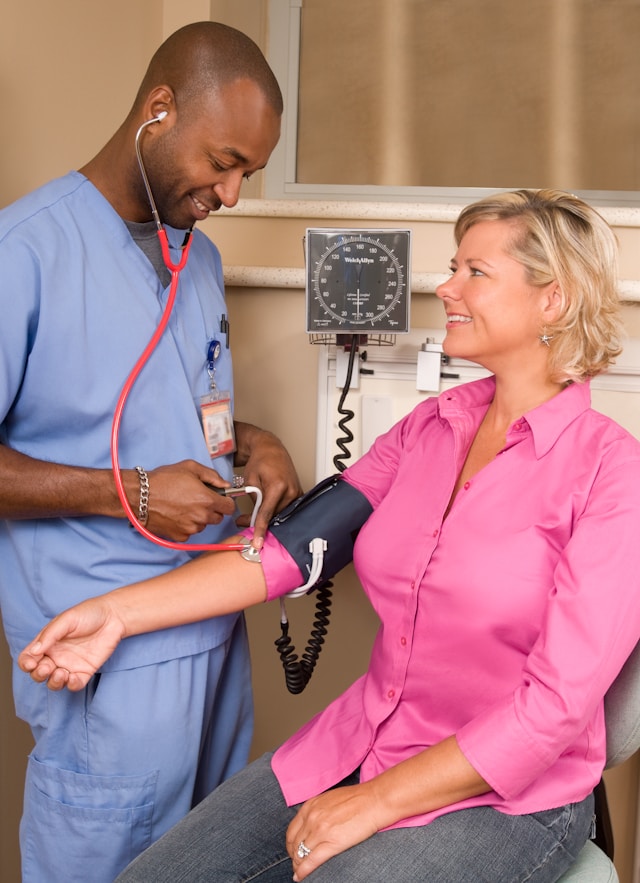
- Record vital signs, such as temperature, blood pressure, pulse, or respiration rate, as directed by medical or nursing staff.
- Supply, collect, or empty bedpans.
- Lift or assist others to lift patients to move them on or off beds, examination tables, surgical tables, or stretchers.
- Gather information from caregivers, nurses, or physicians about patient condition, treatment plans, or appropriate activities.
- Prepare or serve food trays.
- Wash, groom, shave, or drape patients to prepare them for surgery, treatment, or examination.
- Change bed linens or make beds.
- Exercise patients who are comatose, paralyzed, or have restricted mobility.
- Restock patient rooms with personal hygiene items, such as towels, washcloths, soap, or toilet paper.
- Assist nurses or physicians in the operation of medical equipment or provision of patient care.
- Clean and sanitize patient rooms, bathrooms, examination rooms, or other patient areas.
- Record height or weight of patients.
- Transport patients to treatment units, testing units, operating rooms, or other areas, using wheelchairs, stretchers, or moveable beds.
- Collect specimens, such as urine, feces, or sputum.
- Provide information, such as directions, visiting hours, or patient status information to visitors or callers.
What to expect as a Nursing Assistant
38% of people achieve this level of education.
See Nursing Assistant related courses on Tallo
29980 openings for Nursing Assistants
Career Progression
in United States (Nation)
The career progression is an interactive way to explore careers related to Nursing Assistant. Click on each career to see its associated salary, job availability, skills, and more.