

Courses
Discover thousands of courses from top institutions and platforms worldwide
Level
Course Type
Duration

Udemy
Retail banking, Internet Banking, Digital Banking, Green Banking, Sustainable Banking, ESG, Sustainability, Financial What you'll learn: Understand the fundamental concepts and functions of the banking industry.Gain insight into the historical evolution and regulatory framework of banking.Develop knowledge of retail banking products and services.Learn about customer relationship management and financial advisory in a retail banking context.Explore the digital transformation of banking services and technologies.Analyze the impact of digitalization on customer experience and operational efficiency.Comprehend the principles and practices of environmentally responsible banking.Evaluate the role of green finance and sustainable investments in banking operations.Examine the broader sustainability initiatives and strategies adopted by banks.Assess the integration of environmental, social, and governance (ESG) factors in banking practices.Analyze real-world case studies to apply banking concepts in practical scenarios.Explore emerging trends and innovations shaping the future of the banking industry. Master Course in Retail & Digital Banking, Green Banking, and Sustainable BankingIn today's ever-evolving financial landscape, the banking industry is undergoing a profound transformation. Traditional banking models are making way for innovative approaches that align with the changing needs of society and the environment. The emergence of retail and digital banking, coupled with the growing focus on sustainability, has created a demand for professionals equipped with specialized knowledge. One such path to expertise is through the Master Course in Retail & Digital Banking, Green Banking, and Sustainable Banking.Understanding the Evolution of BankingBefore diving into the details of this master course, let's briefly explore the evolving banking landscape.1. Retail & Digital Banking: The rise of technology has revolutionized the way we bank. Traditional brick-and-mortar branches are being complemented, and in some cases, replaced, by digital banking platforms. Retail banking now involves a wide range of digital services, from mobile apps to online account management, transforming customer experiences and expectations.2. Green Banking: As environmental concerns take center stage, banks are increasingly incorporating sustainable practices into their operations. Green banking focuses on environmental responsibility, which includes reducing carbon footprints, investing in renewable energy, and supporting eco-friendly initiatives.3. Sustainable Banking: Going beyond just environmental concerns, sustainable banking encompasses a broader scope of responsibility. It involves considering social and ethical factors, such as financial inclusion, diversity and inclusion, and ethical investing. Sustainable banks aim to create a positive impact on society while maintaining financial stability.The Master Course in Retail & Digital Banking, Green Banking, and Sustainable Banking is your pathway to mastering the future of banking. As the industry continues to evolve and adapt to changing global challenges, professionals with expertise in these areas will be at the forefront of innovation and positive change. Consider enrolling in this master course to gain the knowledge and skills needed to excel in the exciting world of retail and digital banking, green banking, and sustainable banking. Your future in banking awaits, and it's greener and more sustainable than ever before.Retail and Digital Banking have evolved significantly, giving rise to specialized roles that blend traditional customer service with advanced technological solutions. Positions such as Retail Banking Officers and Branch Managers focus on customer relationship management, product sales, and branch operations. Meanwhile, Digital Banking Product Managers and Transformation Analysts are tasked with driving the adoption of mobile apps, internet banking, and automated services to enhance customer experience. UX/UI Specialists further contribute by designing intuitive interfaces and improving the usability of digital platforms, ensuring that customer journeys are smooth and engaging.In the realm of Green Banking, job roles are centered around promoting environmentally responsible financial services. Green Finance Specialists and Renewable Energy Loan Officers support sustainable initiatives by facilitating funding for eco-friendly projects such as solar power, green buildings, or electric transport. ESG Compliance Officers ensure that banking practices align with environmental standards and regulations, while Green Marketing Strategists develop campaigns that communicate the benefits of green banking products. These roles collectively aim to reduce the environmental footprint of banking operations and promote responsible lending.Sustainable Banking expands on these efforts by integrating environmental, social, and governance (ESG) principles into all aspects of banking. Roles like Sustainable Investment Analysts and Responsible Lending Officers assess investment and loan opportunities for their long-term impact on people and the planet. Sustainability Reporting Managers oversee transparency through adherence to global sustainability frameworks, while CSR Managers lead community initiatives and social responsibility programs. Impact Risk Analysts play a critical role in embedding ESG risks into the broader risk management strategy, ensuring a more resilient and ethically aligned financial ecosystem.In this master course, i would like to teach the major topics:1. Introduction to Banking2. Retail Banking3. Digital Banking4. Green Banking5. Sustainable Banking6. Case Studies and Future TrendsRetail & Digital Banking, Green Banking, Sustainable Banking - Updated Lectures 2025 (Updating Now)1. Foundations of Retail Banking2. Fundamentals of Digital Banking3. Customer Relationship Management in Retail Banking4. Payment Systems and Technologies5. Retail Banking Operations6. Retail Banking Products7. Risk Management in Retail Banking8. Fundamentals of Green Banking9. Green Banking Products and Services10. Sustainable Banking: Concepts and Principles11. Sustainable Banking Products12. Marketing in Retail Banking13. Technology in Green Banking14. Financial Inclusion and Retail Banking15. Regulatory Framework for Green Banking16. Social Responsibility in Banking17. Integration of ESG in Banking18. Sustainable Supply Chain Management in Banking19. Environmental Risk Management in Banking Industry20. Digital Transformation in Banking21. Blockchain and Banking22. Cybersecurity in Digital Banking23. Artificial Intelligence in Banking24. FinTech and Its Impact on Retail Banking25. The Evolution of Financial Institutions26. Retail vs. Corporate Banking Structures27. Leadership Roles in Banking and Investment Firms28. Navigating Recruitment and Retention in Banking Sector29. Promoting Ethical Culture in Financial Services30. Risk and Return: Financial Management in Banking31. Digital Marketing Strategies in Financial Institutions32. FinTech Innovations: Blockchain, AI, and Beyond33. Elevating Client Communication and Creating a Seamless Experience34. Open Banking35. Digital Banking Channels36. Customer Experience in Digital Banking37. Big Data and Analytics in Banking38. Future Trends in Retail and Digital Banking39. The Evolution of Financial Institutions40. Retail vs. Corporate Banking Structures41. Leadership Roles in Banking and Investment Firms42. Navigating Recruitment and Retention in Banking Sector43. Promoting Ethical Culture in Financial Services44. Risk and Return: Financial Management in Banking45. Digital Marketing Strategies in Financial Institution46. FinTech Innovations: Blockchain, AI, and Beyond47. Elevating Client Communication and Creating a Seamless Experience48. Open Banking49. Digital Banking Channels50. Customer Experience in Digital Banking51. Big Data and Analytics in Banking52. Future Trends in Retail and Digital Banking53. Omnichannel Strategy in Banking Retail & Digital Banking, Green Banking, Sustainable Banking - Lectures PART II (More lectures updating now) Retail and Digital Evolution of Financial ServicesThe Role of Digital Disruption in BankingFinancial Inclusion through Digital ChannelsAdvanced Payment Systems and TechnologiesBranchless Banking: Opportunities and ChallengesThe Shift from Traditional to Digital ChannelsMobile Banking: Revolutionizing Retail BankingData Analytics and Personalization in BankingUser-Centered Design in Digital BankingFraud Prevention in Digital BankingGovernance in Digital BankingRetail Banking and Customer Experience ManagementRetail Banking Profitability StrategiesThe Role of Open Banking in Digital EcosystemsRobo-Advisors in BankingSustainable Finance InstrumentsClimate Risk in Banking and Financial ServicesEnergy Efficiency in Bank OperationsCarbon Trading and Offsetting for Financial InstitutionsGreen Digital TransformationGreen Financing for Small and Medium Enterprises (SMEs)Social Impact of Sustainable BankingImpact of Climate Policy on BankingCarbon Footprint Measurement in BankingEthics and Sustainability in Financial Decision-MakingCrowdfunding for Green ProjectsDigital Identity Verification in BankingBlockchain for Sustainable FinanceBanking and Circular EconomyResponsible Investment Practices in BankingInnovative Lending for SustainabilityGreen Procurement in Financial InstitutionsClimate Stress Testing for BanksRegenerative Finance and BankingImpact of Artificial Intelligence in Sustainable FinanceDigital Banking and Global Financial InclusionThe Role of Financial Institutions in the Circular EconomyManaging Credit Risk in Green LendingEnergy Transition Financing in BankingPublic-Private Partnerships in Sustainable BankingDigital Tools for Sustainable InvestmentThe Role of Insurance in Green and Sustainable FinanceGender-Inclusive Financing in Sustainable BankingFinancial Inclusion in the Age of SustainabilityAI in Retail and Sustainable BankingInnovations in Financial Products for SustainabilitySustainable Asset ManagementDigital Banking Ecosystem for Green GrowthCreating a Sustainable Banking CultureBanking Systems and Financial Services - PARTIII Lectures (Updating Now) Introduction to Financial Institutions and Role of BanksHistorical Development and Modern BankingCommercial Banks vs. Investment BanksCentral BankingRetail Banking and Corporate Banking ServicesDeposits and Liabilities ManagementUnderstanding Types of Loans and Credit Risk ManagementAsset-Liability Management (ALM)Understanding Risks and Mitigation Strategies in BankingCapital AdequacyBanking Regulation & Compliance Anti-Money Laundering (AML), Know Your CustomersDigital Banking - A New Era of Financial ServicesBanking Technology and Innovation: Transforming the Financial LandscapeData privacy and Data Security in Banking IndustryPreparing Engaging and Professional Presentations in Bank MeetingsMaintaining Respectful Communication During NegotiationsMaintaining Regular Communication with ClientsUnderstanding Cultural Differences in Business Practices for Banking ProductsWorkplace Behavior and Workplace Etiquette in BankingFinancial Literacy for young peopleFinancial Analysis and Financial ModelingParts and Pillars of Corporate FinanceFinancial Markets, Financial Instruments and Structured ProductsNavigating the Future: Sustainable Finance and Responsible InvestingFintech Revolution: Navigating the Future of FinanceUnderstanding Microeconomics and MacroeconomicsCollaborative Decision-Making in BankingOnboarding, orientation and performance appraisal in banking IndustryUnderstanding CybersecurityUnderstanding Cryptocurrency and BlockchainCorporate GovernanceDEI (Diversity, Equity & Inclusion) in BankingBanking Workplace Health and SafetyEmployee Engagement and Employee MotivationWorkforce Planning and Forecasting Future Talent NeedsStakeholder Management and Quality ManagementUnderstanding Corporate, Personal and Trade FinancesVenture Capital Landscape: Unveiling the Types of Venture Capital FundsUnderstanding Cybersecurity VulnerabilityBlockchain TechnologyRevolutionizing Finance: Exploring Fintech Solutions in Digital BankingRegulatory Landscape: Ethics and Compliance in the Derivatives MarketsTrading Psychology in ForexTransformative Technologies: A Deep Dive into Smart Work IntegrationDeveloping a Comprehensive Plan for Executive Presentations in Bank MeetingsThe Key Elements of Talent Development and Succession PlanningUnlocking Success: The Importance of Financial ForecastingCross-Cultural Conflict: Understanding, Resolving, and Negotiating DifferencesInvestment Strategies: Integrating Behavioral Finance into Decision-MakingUnderstanding Comparable Company Analysis (CCA)Corporate Social Responsibility and Corporate GovernanceExploring Financial Service Delivery ModelsLeadership Roles in Banking and Investment FirmsPromoting Ethical Culture in Financial ServicesRisk and Return: Financial Management in BankingDigital Marketing Strategies in Financial InstitutionsFinTech Innovations: Blockchain, AI, and BeyondClient Communication and Issue Resolution in Financial ServicesPayment Systems and Payment Gateways, SWIFT, ACH, and RTGSCredit Cards and Debit CardsBanking Operations ManagementCustomer Relationship Management in BankingInvestment BankingMergers and Acquisitions (M&A) in BankingCorporate Finance - The Role of Banks and Capital Raising through Bonds & EquityUnderstanding Retail Banking: Characteristics and ServicesPrivate Banking: Services and Wealth Management SolutionsWealth Management: Crafting the Future of Financial SuccessIslamic BankingMicrofinance: Empowering the Underserved and Fostering Poverty AlleviationRural and Cooperative BankingFinancial Markets in Banking IndustryMoney Market Instruments - T-Bills, CDs, CPs, ReposCapital Markets - Equity and Debt MarketsForeign Exchange Market: Role of Banks, Hedging, and SpeculationThe Derivatives Market in BankingBonds and Fixed Income SecuritiesSecuritization in Banking: Process, Mortgage-backed & Asset-backed SecuritiesBanking for SMEsCorporate Governance in Banking: Ensuring Stability and TrustFinancial Inclusion - Strategies for Reaching Unbanked PopulationsGreen Banking and Sustainable Finance - A Pathway to a Sustainable FutureBanking Fraud and Security: Types, Prevention Strategies, and MeasuresInterest Rate Risk ManagementCredit Risk ManagementLiquidity Risk ManagementOperational Risk ManagementMarket Risk Management: Components and Value-at-Risk (VaR) ModelsReputational Risk ManagementFinancial Crisis and Banking FailuresBasel Norms I, II, and IIIInternational Banking - Cross-Border Operations and Global TradeTrade Finance - Products, Services, Letters of Credit and GuaranteesSyndicated LoansMortgage BankingMastering Financial Literacy: A Discussion for EntrepreneursStrengthening Client Connections for Lasting SuccessAdapting Sales Strategies to Different Cultural NormsDemystifying Valuation in Mergers and Acquisitions (M&A)Strategies of Effective CommunicationEmpowering Reskilling: Harnessing Technology for Continuous Learning and DevelopBank Lending StrategiesRetail LendingProject FinanceWorking Capital ManagementAsset ManagementHedge Funds and Private EquityVenture Capital and Start-up Funding - Role of BanksInternational Financial Institutions (IFIs)Bank Marketing and BrandingFinancial Statement Analysis for BanksBank Performance MetricsDigital Transformation in Banking - PART IIBanking and Fintech CollaborationArtificial Intelligence (AI) in BankingEvolution of FinTech – From Traditional Banking to Digital FinanceMobile Wallets and Contactless Payments – Trends and TechnologiesBlockchain Technology in Finance – Transparency and SecurityEnhancing Risk Management with AI and Algorithmic Trading AI-Driven strategyAI and Big Data in Insurance Underwriting Managerial Roles and Essential Skills in Retail, Green, and Sustainable BankingNavigating the World of Business : Professional Communication SkillsUnderstanding Business Strategy : Strategic Planning Processes & SkillsLeadership and Team Management : Fostering a Culture of Innovation and GrowthLeading Strategic Initiatives: Visionary Leadership and Influencing TeamsMarket Research Skills for BankingKPI - Key Performance Indicators for Strategy EvaluationUnderstanding Business Intelligence (BI) and Predictive Analytics Skills & NeedsExploring Data Collection and PreparationBusiness Process Management and BPM Life CycleCarbon Accounting Skills and ESG Frameworks NeedsCorporate Strategy and Stakeholder Engagement : Navigating SustainabilityBusiness Analysis : The Role of Business Analysts, Frameworks and MethodologiesData Strategy, Planning and Data Management SkillsCompany Valuation Analysis SkillsConflict Management Skills among OrganizationConflict Resolution : Emotional Intelligence and Collaborative Problem-SolvingFostering Trust and Authenticity : Socially Responsible BusinessesCorporate Learning & Development : Skill Gaps & Workforce NeedsSkills of Financial PlanningComponents of Intercultural Competence : Cross-Culture Communication SkillsCSR Goals and Benefits of Integrating CSR (Corporate Social Responsibility)Customer Services : Call Control Strategies and SkillsCybersecurity Skills : Ransomware ManagementCybersecurity Skills : Vulnerability Assessment Enroll now and learn today !
Swayam
Explore the fundamentals of commercial banking and financial systems in this 8-week course from the Indian Institute of Management Bangalore. Begin by examining the objectives and functions of financial systems before diving into commercial banking operations and the evolution of India's banking structure. Master the critical aspects of liabilities and liquidity management, understanding how banks balance their financial obligations while maintaining adequate cash flow. Develop expertise in credit management principles and learn the essential components of investment management within banking institutions. Conclude by analyzing the various risks that commercial banks face and the strategies used to mitigate them, gaining comprehensive knowledge of modern banking operations and risk assessment frameworks.

Corporate Finance Institute
Private Banking Course OverviewPrivate banking services present many unique opportunities for a financial institution and its clientele. This Private Banking course examines what the role of a private banker entails, how their services differ from a more traditional retail banking environment, and the importance of analyzing the risk and return of a client’s investments. We discuss integrating client investment strategies with risk tolerance and financial goals to tailor personalized solutions for clientele and their families.We cover all the most important qualitative and quantitative factors that will influence private banking clients, including important risk and return calculations and the various investment strategies available. We also cover the personal financial planning process, sources of risk, and the implementation of those plans and strategies. We use an interactive video case study to help illustrate the key takeaways and to demonstrate real-world examples of clients in a private banking setting.Private Banking Learning ObjectivesUpon completing this course, you will be able to:Define the roles and responsibilities of the private banker.Explain the relationship between risk and return.Align client investment strategies with risk tolerance and financial goals.Describe the benefits and logistics of offshore banking.Design credit solutions to meet client needs and resources.Who Should Take This Course?This course is designed for current and aspiring commercial banking professionals, including relationship managers or loan officers, credit analysts, loan brokers, and adjudicators. This course will prepare you with the knowledge to properly assess various borrowing requests for these unique business borrowers.

edX
Banking has witnessed lot many changes during the last two decades and beyond the visualization of many bankers. The convergence of technology in banking is continuously proving to be a great enabler and a simultaneous disruptor. The digitalization of banking processes and services has induced changes in the fundamental ways in which banking is conducted. Digital reach has helped in the expansion of banking to hitherto underbanked population segments. While customer-centricity is the central concept, the ways and means to translate customer-centricity into real customer appreciation are looming large in the minds of many bankers. In the above backdrop of digital convergence of banking and customer-centricity, the concept of Engagement Banking started emerging on the horizon. Engagement Banking is the customer centricity manifested at the level of customer-centric digital experience. The current course is intended to unravel the concept of engagement banking, the need to break free from the legacy approaches and reinvent the various Business operations models to match the evolving needs of today’s customers and enhance their experiences.

YouTube
Explore the world of investment banking in this comprehensive 58-minute video lecture. Learn about the crucial role investment banks play in helping companies, governments, and agencies raise funds through security issuance and sales in primary markets. Discover the functions of investment banks, different types of banks, and the trade cycle. Delve into merchant banking, understanding its meaning and services. Compare investment banking and merchant banking to gain a thorough understanding of their differences. Gain valuable insights into potential career opportunities in the financial sector and enhance your knowledge of capital markets and financial services.

XuetangX
Investment banks play a crucial role in the capital market. One distinctive service provided by investment banks is to help firms raise fund through initial public offerings (IPOs). For instance, on September 19, 2014, Alibaba Group went public on the New York Stock Exchange, setting a historical record for the largest IPO ever. Six investment banks, including Credit Suisse, Morgan Stanley, JPMorgan Chase, Goldman Sachs, Deutsche Bank, and Citigroup, formed the underwriting syndicate for Alibaba’s IPO, selling over $21 billion worth of Alibaba shares to the market. In fact, investment banking has been around for centuries. As early as the early 17th century, the Dutch East India Company raised funds by selling stocks and bonds to the public. In addition to raising funds for companies, investment banks can also help governments raise funds by selling government bonds. For example, in the early days of the United States, the Washington government issued bonds to cover its huge fiscal deficit after the War of Independence. The services provided by investment banks are essential to the development of modern companies and government entities. By providing financial services, investment bankers create value and wealth for themselves. Investment banks offer job opportunities in major financial centers around the world, such as London’s financial district, Manhattan’s Wall Street, and Singapore’s Marina Bay. Meanwhile, the compensation level in the investment banking industry has long been at the top of the financial sector. The aim of this course is to reveal the key functions of investment banks in the capital market. We discuss the profit models and unique role of investment banks with finance theories, industrial practices, as well as case studies. Through this course, you will learn how investment banks help companies and governments raise funds, how they assist companies expand their business through mergers and acquisitions, how they provide trading services for market participants, and how they help investors manage their assets. The target audience for this course includes finance students and anyone interested in our course content. If you want to learn more about the role of investment banks in the financial market, we welcome you to join this online course.

Udemy
Master the essentials you need to thrive in your banking career! What you'll learn: Understanding Banking Basics: Gain a foundational understanding of what banking is and how it functions in the global economy.Revenue Generation in Banks: Learn the various ways banks generate revenue, from interest income to fee-based services.Money Multiplication Concept: Explore the concept of money multiplication and how banks create money through lending.Bank Categories and Structures: Get to know the different categories of banks and how they are structured, from retail to investment banking.Bank Categories and Structures: Get to know the different categories of banks and how they are structured, from retail to investment banking.Roles of Front, Middle, and Back Office: Understand the critical roles that the front office, middle office, and back office play in a bank's operations, includRisk Management in Banking: Discover the importance of risk management in banking, covering credit risk, liquidity risk, operational risk, and market risk.Risk Management in Banking: Discover the importance of risk management in banking, covering credit risk, liquidity risk, operational risk, and market risk.Regulatory Environment and Compliance: Learn about the regulatory environment banks operate within and their obligations in sustainability and ESG. Why settle for just understanding the basics of banking when you can develop practical skills that can lead to incredible career opportunities in an industry that employs over 27 million people globally? Imagine being the go-to expert who not only grasps the complexities of how banks operate but also understands the intricate details of risk management, banking products, and sustainability. In today's fast-paced financial world, banks seek individuals with a deep understanding of the fundamentals of banking, risk, finance and technology. This course is your gateway to becoming a banking expert and opening up a wide range of career opportunities. Whether you’re just starting out or seeking to advance your career, this course will equip you with the knowledge and skills that are in high demand. I offer you many years of experience in the financial sector, and Ibring real-world insights into the challenges and opportunities within banking. I don’t just teach theory; I offer real-world experience, insightful lectures, and a grounded, practical approach that has earned me recognition as a leading instructor on Udemy. My expertise spans banking, digital transformation, technology, and financial crime, ensuring that you receive a comprehensive and actionable education that’s directly applicable to today’s financial landscape. By the end of this course, you'll not only understand the fundamentals of banking but also be able to navigate some of its complexities, from the intricacies of digital banking to the ever-important regulatory environment. Whether you’re looking to break into the industry or elevate your current role, this course will set you apart as a knowledgeable, skilled professional ready to thrive in the world of banking.______________________________________________________________________ Imagine possessing many years of industry knowledge in just a few hours? Whether you are working in banking todayand looking to improve your skills. Or you want to pursue a career in bankingand want to develop the core skills you will need. Either way I've got you covered. High Level Course Structure includes: What Is Banking?: Gain a clear understanding of the banking industry's role in the economy, including the different types of banks and their functions. How Do Banks Make Money?: Explore the fundamental business model of banking, from interest margins to fee-based services, and understand how banks generate profits. Financial Stability & Revenue Generation: Delve into the principles that underpin financial stability within banks, and discover the various ways banks sustain revenue streams, ensuring long-term profitability. History of Banking: Trace the evolution of banking from its origins to the modern era, highlighting key milestones that have shaped the industry today. Bank Categories & The Business of Banking: Differentiate between retail, commercial, and investment banks, and learn about the business operations that drive the success of each category. Products vs Services in Banking: Understand the distinction between banking products and services, and how each contributes to the customer experience and the bank's bottom line. Debits vs Credits in Banking: Master the basics of accounting in banking, including the critical concepts of debits and credits, and how they impact financial transactions. Overview of Deposit, Lending, and Other Products: Explore the various financial products offered by banks, including deposit accounts, loans, and wealth management services, and understand their significance in the financial system. Front Office, Middle Office, and Back Office Operations: Gain insight into the internal structure of banks, focusing on the distinct roles and functions of the front, middle, and back office teams. Where Does Digital Banking Fit In?: Discover the pivotal role of digital banking in today’s financial ecosystem, and how it integrates with traditional banking functions to enhance customer service and operational efficiency. Overview of Risk Management: Learn the essential practices of risk management in banking, from credit risk to operational risk, and understand how banks mitigate these risks to protect their assets. Banking Regulatory Environment: Get acquainted with the regulatory frameworks that govern banking operations, ensuring compliance and safeguarding the integrity of the financial system. Sustainability & ESG in Banking: Explore the growing importance of Environmental, Social, and Governance (ESG) factors in banking, and how they influence sustainable business practices.What’s included in the course? High-Quality Video Lectures:where you'll learn in plain speak the fundamentals of banking...this isn't about confusing you with jargon, but creating a learning environment where you can learn the fundamentals of banking- quickly.Downloadable Handouts &Resources: which will help you to enhance your understanding and retention of the key concepts.Quizzes and Assignments: to help validate your learning and help you develop practical skills in banking.Lifetime Access with NO Expiration: so you can learn at your own pace, and you can come back at any time you feel unsure or you need a refresher. What ELSEis included in the course? Lecture Summaries:an easy to understand wrap up of each lecture to help you round out your knowledge on each topic.Completion Certificate:Your Udemy Certificate of Completion - which you can share on LinkedIn and get recognized for mastering this highly valued skillset.Are you ready for the challenge?Are you ready to elevate your career and become an extraordinary banking professional? You'll get lifetime access to this course, including and updates and new lectures added to the course. This course comes with a 30-day money-back guarantee! That means, if you aren’t completely satisfied with your purchase, you'll get a refund - no questions asked. Remember:The greatest gift you can give yourself is the gift of investment. Invest in you. You're worth it. I'm looking forward to seeing you inside this course!

YouTube
Explore the fundamentals of banking through a mathematician's perspective in this 33-minute video lecture. Journey to the Wild West of the 1850s and follow the establishment of Little Cactus Bank to understand key banking concepts. Discover the basics of assets, liabilities, balance sheets, depositors, creditors, and simple accounting. Examine a thought-provoking quote by Henry Ford and delve into the potentially controversial aspects of modern banking practices. Analyze a sample bank balance sheet from 1855 and evaluate the benefits and challenges faced by banks. Gain valuable insights into the history and mechanics of banking systems to better comprehend their role in society.

Coursera
This Introductory course covers the fundamental knowledge about the banking industry. We will discuss the various types of financial institutions and how they differ in the types or products and services provided to their own customer groups. We can look at a bank’s balance sheet and income statement and understand how a bank generates return. Finally, we will explore the common career paths in different areas of banking. Upon completing this course, you will be able to: • Understand the different types/structures of financial services firms • Determine the different types of banking services that are provided • Understand who the customers are for each type of service • Learn how a bank makes money • Differentiate the various banking career paths This Introduction to Banking course is perfect for any aspiring credit analysts working in insurance, underwriting, rating agencies, commercial lending, corporate credit analysis, and other areas of credit evaluation. It is also a great introductory course for anyone who would like to learn more about the banking industry.

Udemy
Everything You Ever Wanted to Know About Getting a Bank Loan What you'll learn: Choose the right bank for your business and learn techniques to improve your chances of being approved for a business loan. You will also learn the secrets of a bank's loan approval process and tips for presenting your company in the best possible way to a bank. You will also be given tools for assessing the financial health of your business in the same way a bank does. "Business Banking 101, everything you ever wanted to know about betting a bank loan" is designed as a road map for anyone tasked with securing bank financing for a business. Your instructor, Bruce Tretzen, has been in the commercial lending industry since 1999 and currently works as a business banker in Seattle. He has created this course based on real-life experiences working with business clients.This course gives insight into what banks look for and how to increase your odds of being approved for a bank loan. These tips, tricks, and resources will help a business owner analyze their financial condition prior meeting with a bank. You will even learn how to choose the right bank to fit your business needs.At the end of this course you will know how to present your loan request to a bank in a clear concise way. You will impress your banker by giving them the financial information they want before even asking for it. In addition, you will know how to negotiate for the best possible rate and terms. If you are a business owner, accountant, CPA or consultant, this course will expand you business banking knowledge as you learn the secrets of business banking. This course is especially valuable to new business owners who have never applied for a business loan from a bank. Or perhaps you are thinking about starting a business and wonder if you even qualify for a bank loan. You will even learn about options available if your loan request is denied.I invite you to step inside my classroom and learn how to negotiate like a business banker.
Corporate Finance Institute
Digital Banking Fundamentals Overview In this Digital Banking Fundamentals course, we dive into the innovative world of modern banking services. In today’s fast-paced financial landscape, embracing digital banking is not just a convenience but a necessity. This course provides a comprehensive understanding of digital banking, offering vital insights for both consumers and financial professionals. We’ll start by unraveling digital banking channels and exploring their significance, delving into the benefits, challenges, and limitations. Understanding these aspects is crucial as digital banking reshapes how we manage our finances. Furthermore, we’ll dissect the roles of federal regulations and peek into the future trends shaping the digital banking sphere. Digital Banking Fundamentals ObjectivesDefine digital banking channels and assess their importance.Evaluate benefits from digital banking and fintech integration.Analyze cost-effective tech solutions, risks, and support in digital banking.Examine federal regulatory roles in digital banking.Explore future trends in digital banking, AI, and digital currencies. Who Should Take This Course? This course is ideal for individuals aspiring to excel in the financial industry, including banking professionals, fintech enthusiasts, and entrepreneurs aiming to leverage digital banking solutions for business growth. It caters to anyone seeking an understanding of modern banking practices and their implications on the evolving financial landscape.

Swayam
Today, the majority of the world's economies have seen an exponential rise in the volume of money moving across the world. Hence Banking institutions have grown even more significant and "globally integrated" as a predominant channel for such operations.In addition to this, we have seen how any change has an impact on our economy universally. More recently, and maybe more significantly, the pandemic's effects on every aspect of our lives and businesses. In addition to this, we have seen how any change has an impact on our economy universally. More recently, and maybe more significantly, the pandemic's effects on every aspect of our lives and businesses. Now We are motivated to learn more about the problems we confront and the ways to combat them as a result of this uncertainty.One such device is insurance. So, there is an urgent demand for managers, entrepreneurs, professionals and financial planners with knowledge of these two areas of banking and Insurance in this dynamic and changing world. This industry provides ample employment opportunities for agents, brokers, corporate agents, training establishments, etc. Learning about these areas of financial interest, is where this course will help you.

Pluralsight
This course will teach you about the tactics and techniques of one of the most sophisticated banking Trojans currently active, Dridex. Cybersecurity is extremely crucial when it comes to staying ahead of the newest threats. In this course, Dridex Banking Trojan, you’ll learn all about the banking Trojan Dridex. First, you’ll explore how Dridex is delivered through phishing campaigns and social engineering and ways to prevent initial infections. Next, you’ll learn ways to detect Dridex on your networks. Finally, you’ll learn how to respond when you have discovered an active infection. When you’re finished with this course, you’ll have the skills and knowledge of Dridex needed to disrupt

Pluralsight
In this course, you’ll learn what the malware TrickBot is and how you can analyze it to determine what it does on systems it compromises. In this course, Malware Analysis and Detection: TrickBot, Aaron Rosenmund and Tyler Hudak discuss the malware TrickBot, a popular malware used by attackers. By the end of this course, you will learn how TrickBot works, what it does to computers it compromises, and what tools you can use to detect it on your hosts and network.
Corporate Finance Institute
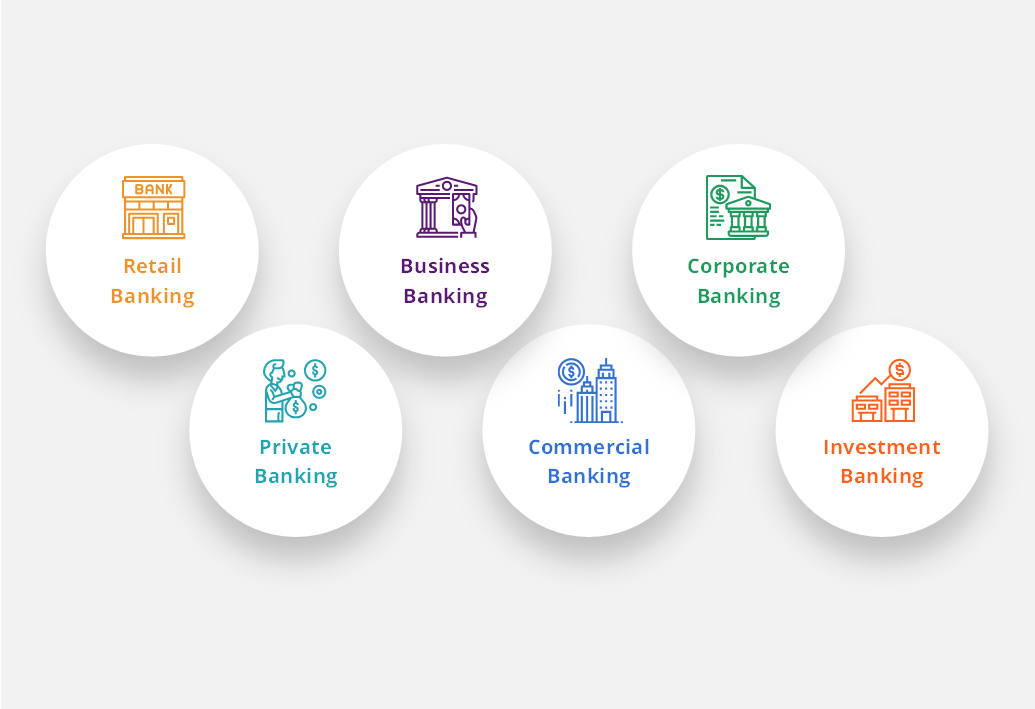
Introduction to Banking Course Overview This Introductory course covers the fundamental knowledge about the banking industry. We will discuss the various types of financial institutions and how they differ in the types or products and services provided to their own customer groups. We can look at a bank’s balance sheet and income statement and understand how a bank generates return. Finally, we will explore the common career paths in different areas of banking. Introduction to Banking Learning Objectives Upon completing this course, you will be able to: Understand the different types/structures of financial services firmsDetermine the different types of banking services that are providedUnderstand who the customers are for each type of serviceLearn how a bank makes moneyDifferentiate the various banking career paths Who should take this course? This Introduction to Banking course is perfect for any aspiring credit analysts working in insurance, underwriting, rating agencies, commercial lending, corporate credit analysis, and other areas of credit evaluation. It is also a great introductory course for anyone who would like to learn more about the banking industry.
Swayam
This course provides an introduction to the structure and functioning of the Indian financial system, with a special focus on commercial banking operations. The primary thrust of the course is to provide understanding on micro and functional management of commercial banks. The first part emphasizes core areas such as liabilities, credit, capital management, and investment management. It then explores the landscape of Indian banking, including commercial banks and Non-Banking Financial Companies (NBFCs), followed by modules on liquidity management and risk assessment. The course also covers capital adequacy norms, regulatory frameworks (including Basel norms), and the evolving role of banks as financial intermediaries. In the latter modules, students will engage with current innovations in banking such as digital transformation, fintech, open banking, and emerging technologies like robo-advisory. The final module focuses on financial inclusion, sustainable banking practices, and the broader theme of sustainability in finance.By the end of the course, learners will gain a comprehensive understanding of both traditional and modern banking practices, be able to apply principles of credit and risk management, interpret capital regulations, and appreciate the role of technology and sustainability in shaping the future of the financial sector.

Udemy
The essentials of the banking business (business model, compliance, others), financial risk management and compliance. What you'll learn: You'll learn about the business models of banks - how they make money at the end of the dayYou'll learn about the different debt and deposit products that banks provideYou'll learn about the different risks that banks must manage, as well as regulations they must comply withYou'll learn about the main accounting, capital and risk management considerations in bank operations BANKINGONBANKINGKNOWLEDGEIf you're considering a banking career path, you probably know it will be profitable, regardless of the specific function within it.But if you want to understand how banks work, there is a lot of knowledge to be consumed.You must understand about how banks make money, what risks they manage, what regulations they comply with, and much more.You have to really master banking knowledge.You will find that most courses don't cover all dimensions of banking. They focus on credit analysis only. Or on risks only.You couldn't really find a course that included all different areas of banking in one unified place.... that is, until this course came along. CRACKINGTHEBANKOPENUnlike other courses, focusing on specific components of a bank's business model (just digital banks, just investment banks), you'll find this course covers the banking industry as a whole, including all of its different components.And Imean ALLof them!You'll find this comprehensive course divided into seven main modules:You'll first know about the Fundamentals, where we cover what is banking, different types of banking (digital banking, retail banking, investment banking, central banking), as well as the essentials of lending, capital and reserves, and some key acts and regulations;Then you'll find the Banking Business Models module, where we will cover how banks make money, their types of income and expenses, types of capital, and accounting considerations;The you'll find the Bank Products module, where we will cover the most frequent bank debt and deposit products that are offered, as well as some considerations on how bank product marketing is done;You'll then get to know about the Loan Agreements module, where we will dissect credit agreements in terms of lending. We'll clarify covenants, representations, definitions such as what is "debt" or what is "EBITDA", and more;You'll later come to the Banking Risk Management module, where we will cover the most relevant types of risks for banks, both extensively (from liquidity risk to cyber risk, conduct risk, counterparty risk and many others), as well as the two key ones: credit risk and interest-rate risk;Finally, you'll find the Banking Compliance module, where we will cover the most frequent types of regulations that banks must comply with - both regulatory and industrial; LETMETELLYOU... EVERYTHINGSome people - including me - love to know what they're getting in a package.And by this, Imean, EVERYTHING that is in the package.So, here is a list of everything that this course covers:Fundamentals of BankingYou'll learn about the basic definitions of banks, as intermediaries between loans and deposits, making money mostly from the net interest income (NII) - the difference between interest earned and paidYou'll learn about the relationship of banks with other financial institutions, such as having brokerage or asset management divisions with banks, as well as their comparison with private lenders in the lending space;You'll learn about multiple "banking" terms, including central banking, fractional banking, challenger banks, digital banks or correspondent banks, as well as what each means;You'll learn about the key acts and regulations that have affected banks historically, including Glass-Steagall, Sarbanes-Oxley, Dodd-Frank, and the Basel accords;You'll learn about the key activities in banking, from lending/debt extension for individuals or companies, cash management and treasury services, private banking and wealth management services, and capital markets activity (including both trading and brokerage/underwriting activities), as well as the split of these activities into two major dimensions: investment banking and retail/commercial banking;You'll learn about the different types of funding from depositors, including retail depositors (the most frequent and "cheaper" source), wholesale deposits, wholesale debt, and equity, as well as the consequences of each in term of both liquidity and funding costs;You'll learn about the three main types of bank revenue (interest income, fees and commission and capital market income) as well as their three main sources of expenses (operational costs, funding costs and loss reserves);You'll learn about the maturity transformation process (transforming short-term deposits into long-term loans) and its consequences on Net Interest Income (NII);You'll learn about the two tiers of capital that banks have, as well as the usually enforced ratios between Tier 1 and Tier 2 capital;You'll learn about the "trading book" and the "banking book", two balance sheets with two different accounting philosophies due to the different nature of their assets;You'll learn about the main types of debt instruments provided by banks, including term loans versus RCFs (Revolving Credit Facilities), and the subtypes of RCFs (including overdraft facilities, liquidity facilities), Asset-Based Lending(ABL) - usually used for inventory finance or Accounts Receivable (A/R) finance, including factoring - as well as trade finance solutions (Letters of Credit orL/Cs, PO finance and forfaiting), project finance, money market facilities and leases, as well as the inner workings of syndicated loans;You'll learn about the main types of deposits provided by banks, including checking accounts (also known as MTAs or Money Transfer Accounts), savings or timed deposits, and structured deposits (with an investment component);You'll learn about the challenges of bank product marketing, due to lack of differentiation in product performance (as well as lack of clarity in product performance), the lack of attractiveness to consumers, as well as new technological changes pushed by digital banks;You'll learn about loan agreements/credit agreements in general, including specific sections such as conditions precedents, the commitment, representation and warranties, the definitions used, and, the most "famous" components - the covenants;You'll learn about the definitions used in credit agreements, such as what is "debt" and what is "EBITDA", or what are "consistently applied"GAAP, and how small changes in these can radically change the attractiveness of such agreements. You'll also learn about how negotiable can be secondary definitions, such as what are "dividends", what are "investments", and what are "material" events;You'll learn about what are representations (affirmations by the borrower), as well as the three main categories of representations they must make:financial, business and legal representations - as well as examples of each;You'll learn about the three main types of covenants - affirmative, negative and financial, as well as specific examples of affirmative covenants (actions the borrower must take, such as disclosing documents, using the proceeds for specific purposes, being insured, and more) and negative covenants (actions the borrower cannot take, such as speculating with loan money, taking on more debt or liens, changing the business fundamentally, and more);You'll learn about financial covenants in specific, including their two main types, incurrence and maintenance, and the three main subtypes of maintenance covenants (performance-based, date-based and hybrid). We'll also cover the most frequent types of maintenance covenants - coverage ratios, including the three most common ones:the Interest Coverage ratio, the Debt Service Coverage Ratio (DSCR), and the Fixed-Charge Coverage Ratio (FCCR) - as well as other frequent covenants such as the leverage ratio or limits on leases and capital expenditures;Financial Risk Management Course(integrated as a module):You'll learn about the essentials of credit risk (both default risk and migration risk), as well as other risks related to credit risk itself, such as concentration risk, default correlation risk, and even contagion risk;You'll learn about credit portfolio management, including the four pillars of robust credit risk management (efficient limits, robust lending processes, efficient quantitative analysis and efficient qualitative analysis), the four main techniques to mitigate credit risk (including loan sales, loan securitisation, loan syndication, and hedging with Credit Default Swaps), and the key terms in credit portfolio management (including PD or Probability of Default, LGD or Loss Given Default, EAD or Exposure at Default, and ELor Expected Loss);You'll learn about the three layers of market risk (general market risk, secondary risk for specific portfolios/groups of positions, and idiosyncratic risk unique to positions), as well as the six key categories of market risk (price movements in equities, interest rates, credit, commodities, currencies, and real estate);You'll learn about interest rate risk in specific, as well as the three main subtypes of it (basis risk, gap risk and option risk), what causes each, and how it's usually hedged against;You'll learn about the Value at Risk (VaR) methodology to measure market risk, its limitations, variations such as Stressed VaR demanded by Basel III, and the Expected Shortfall(ES) methodology that replaces VaR under the Basel Fundamental Review of the Trading Book (FRTB), as well as the key differences between VaR and ES;You'll learn about other measures of risk that complement VaR, including simple statistical measures such as standard deviation and downside deviation, and other measures related to losses, such as the Months to Earn Back a Loss, the maximum drawdown or maximum drawdown's months, and percentage of months with losses, among others;You'll learn about operational risk in general, as well as the five key types of operational risk under Basel II classification (internal process risk, people risk, legal and compliance risk, external risk, and systems or cyber risk);You'll learn about the specific types of internal process risk (wrong information, missing information, lack of controls, circumvention of controls);You'll learn about the specific types of systems risk (service interruptions, missing or corrupted information, model risk, and cyber risk in specific), as well as how cyber risk is usually leveraged through hacking (and the multiple approaches to it, including convenience fraud, identity theft, social engineering and phishing, or trojans and viruses);You'll learn about the specific types of people and conduct risk, and usual manifestations (risky trading, product mispricing, interbank rate fixing, sanctioned person transactions, etc), as well as some key causes (employee rotation, misaligned incentive systems, and lack of control function integration/oversight);You'll learn about legal and compliance risk, as well as the specific types of regulation that, when not complied with, can cause sanctions by the regulators, and how banks have a "compliance appetite" parallel to their risk appetite;You'll learn about modeling risk, its two main types(bad models and good models with bad data), as well as measures to hedge against model risk, including the FRB's SR 11-7 recommendations (model documentation, model validation, and governance over all model policies and practices);You'll learn about trading leverage and liquidity risk. We'll cover the two types of leverage (borrowing or explicit leverage vs notional or implicit leverage), the role of counterparty risk in embedded leverage for derivatives, and the types of liquidity risk (illiquid assets, large positions of assets, client concentration or position concentration);You'll learn about the different areas of Basel regulation for banks, including how the Basel Accords have evolved to include credit risk, market risk and operational risk, the three main approaches to calculate these risks, and the changes to these approaches over time;You'll learn about the approaches for credit risk regulatory capital calculation, including the Standardised Approach with weights for borrower ratings, as well as the Internal Ratings-Based (IRB) approaches, and the measures that must be calculated by banks in both the Foundation IRB approach and the Advanced IRBapproach;You'll learn about the approaches for market risk regulatory capital calculation, including the Standardised Approach with weights for different risks of each asset (and including additional charges depending on the Basel version, such as the IRC or Incremental Risk Charge for credit-sensitive assets and the CRM or Comprehensive Risk Measure for securitised products), as well as the Internal Models approach, historically using Value at Risk (VaR), but with possible changes depending on the Basel iteration (Stressed VaR since Basel III, and replacement of VaR with Expected Shortfall since the BaselFRTB), as well as the requirements to use each;You'll learn about the changes that the Fundamental Review of the Trading Book(FRTB)brings to the calculation of market risk, both in terms of the Internal Models Approach (97.5% Expected Shortfall for 5 liquidity intervals and all trading desks), but also in terms of the Standardised Approach (including changing risk weights to a sensitivities approach, including a risk charge(delta + vega + curvature), a default risk charge and a residual add-on);You'll learn about the approaches to calculate operational risk regulatory capital, including the Basic Indicator approach (a percentage of total gross revenue), the Standardised Approach (specific percentages of gross revenue for 8 distinct business lines) and the Advanced Measurement Approach (by using internal models), as well as the requirements to use each;Fundamentals of FinancialInstitution Compliance (integrated as a module)You'll learn about the essentials of compliance. The main goals of compliance (keeping the financial system stable, ensuring banks are safe and sound, protecting customers + investors), the distinction between regulation, supervision/monitoring and enforcement, as well as what each entails, the four key areas of bank regulation (micro-prudential, macro-prudential, consumer protection and anti-crime), the differences between rules-based and principles-based regulation, and the relationship between compliance and risk management;You'll get to know the three main conflicts between profit and compliance:How regulatory capital cushions create capital that does not yield returns, how AML/CFT regulation sets constraints on possibly suspicious (but very lucrative) private banking activity, and how consumer protection, preventing predatory practices, also makes banks less competitive and turn less profit. Also, how banks perform regulatory arbitrage, finding the most dangerous way possible to comply with regulation;You'll learn about the regulatory landscape in the US and EU. The three main bank regulators in the US(OCC, FDIC and FR), and how each bank has 1 to 3 of these as regulators, and under what conditions. Also, under what conditions the FDICinsures deposits, the moral hazard created by it (for both banks and consumers), and the 3 possible measures the FDICtakes upon conservatorship of a failing bank (paying out depositors, selling the bank, government bailout), as well as the Prompt Corrective Action or PCAprogram that supervises banks and enforces quality to preserve FDIC insurance. We'll also cover the 2 main capital markets regulators in the US(SEC and CFTC). The regulatory landscape in Europe is also covered, with the Single Supervisory Mechanism(SSM) and each country's NCA(National Competent Authority);You'll learn about the full history of the Basel Accords until December 2021 (BaselI, 1996 Amendment, Basel II, BaselII.5, Basel III, the Dodd-Frank implementation of most of Basel III, and the 2018 partial rollback of Dodd-Frank, and the 2019 Fundamental Review of the TradingBook or FRTB);You'll know more about the 3 pillars ofBasel micro-prudential regulation, P1 being regulatory capital for 3 key risks(market, credit, operational), P2 being ICAAP supervision, and P3 being "market discipline", or disclosure of capital structure to investors and clients;You'll discover micro-prudential capital adequacy measures, including regulatory capital for 3 key risks, additional buffers such as the CapitalConservationBuffer(CCB), the CountercyclicalCapitalBuffer (CCyB), or G-SIB surcharge, and the distinctions between the key types of capital (Tier 1 versus Tier 2 - and Tier 3 in older Basel implementations - as well as, within Tier 1, CommonEquityTier 1 or CET1 versus Additional Tier or AT1);You'll get to know additional micro-prudential restrictions, such as concentration limits on lending to specific borrowers, to other financial institutions, and limits on the assets a bank can have, such as risk-based deposit insurance premiums;You'll get to learn about micro-prudential regulation supervision and enforcement, including the 6 dimensions of the CAMELS scoring system, the types of enforcement actions (penalties, Cease and Desist Orders, forbearance, FDICinsurance suspension, conservatorship, etc), the moral hazard created by forbearance, and the 4 types of supervisory structures (institutional, functional, integrated, "twin peaks");You'll get to know about macro-prudential systemic restrictions for the biggest banks. The Countercylical CapitalBuffer (CCyB), the G-SIB surcharge, Supplementary Leverage Ratios (SLRs), and liquidity ratios (the Liquidity Coverage Ratio or LCR in the short-term, and the Net Stable Funding Ratio or NSFR in the long-term);You'll learn more about the two biggest stress testing frameworks (the Comprehensive Capital Analysis and Review or CCAR, and the Dodd-FrankAct Stress Tests or DFAST), as well as their quantitative and qualitative components, and the role of model risk management in the CCAR's capital planning exercise;You'll find out more about the two types of macro-prudential structural reforms to either prevent banks from becoming TBTF or winding them down gracefully if they go bankrupt:Ex ante approaches (while banks are still a going concern, e.g. Volcker Rule, Vickers report "ringfencing") and ex post approaches (when banks are a gone concern, e.g. resolution plans and orderly liquidation procedures);You'll learn more about the four key areas of consumer protection regulation (fairness in lending, transparency on deposit products, preventing Unfair/Deceptive/Abusive Acts or Practices or UDAAPs, and privacy/information protection), as well as what each entails;You'll get to know more about anti-crime regulation, including the 3 main disciplines ofKnow Your Customer or KYC, Anti-MoneyLaundering or AML, and Counter-Financing of Terrorism or CFT, as well as what each demands. You'll also learn more about the 2 key types of reports in AML, which are Currency TransactionReports or CTRs and Suspicious Activity Reports or SARs, and the four key pillars of robust AMLcompliance (internal controls, independent auditing, existence of an owner, and employee training);You'll learn more about banking payment regulation, including both legal regulation such as the Payment Services Directive 2 or PSD2, and the 3-Domain Secure or 3D Secure directives, including functionality such as "strong authentication" or sharing of information between issuer bank and acquirer bank, as well as industry regulation such as the Payment Card Industry Data Security Standards (PCI-DSS), as well as a brief overview of their 12 requirements (as of version 3.2.1.); MYINVITATIONTOYOURemember that you always have a 30-day money-back guarantee, so there is no risk for you.Also, I suggest you make use of the free preview videos to make sure the course really is a fit. I don't want you to waste your money.If you think this course is a fit and can take your knowledge of PE to the next level... it would be a pleasure to have you as a student.See you on the other side!

YouTube
This course provides a preview runthrough of the board game Lawyer Up. By watching the gameplay and final thoughts videos, learners will gain an understanding of how the game is played and strategies for success. The course aims to familiarize participants with the rules and mechanics of Lawyer Up. This course is suitable for board game enthusiasts interested in learning about Lawyer Up before playing.

YouTube
Explore the evolving landscape of legal practice in this 23-minute TEDxHepingPark talk by Sibo Qing, a practicing lawyer in China and New York State. Discover how technological advancements are transforming the legal profession, shifting from traditional offline methods to online platforms and leveraging big data. Gain insights into the future of law, where change is the only constant. Learn about corporate advisory legal services, equity design, private equity funds, mergers and acquisitions, and international investment from an experienced professional. Understand the impact of AI on the legal field and how lawyers can adapt to remain relevant in an increasingly digital world.

Craftsy
Who doesn’t love the comfort of savory baked dishes? Let the oven do all of the cooking with these versatile dishes. The best part? For all the recipes different elements can be made in advance. This makes it all feel easier and can save you a lot of time on the day you want to serve them.