

Courses
Discover thousands of courses from top institutions and platforms worldwide
Level
Course Type
Duration

YouTube
Explore the foundations of modern science through this engaging 32-minute TED talk by biochemist Kary Mullis. Delve into the world of scientific experimentation as Mullis shares captivating stories from 17th-century discoveries and his own backyard rocketry adventures. Gain insights into the curiosity, inspiration, and rigorous methodology that drive good science across various disciplines. Learn about the importance of experimentation in advancing scientific knowledge and understanding the world around us.
YouTube
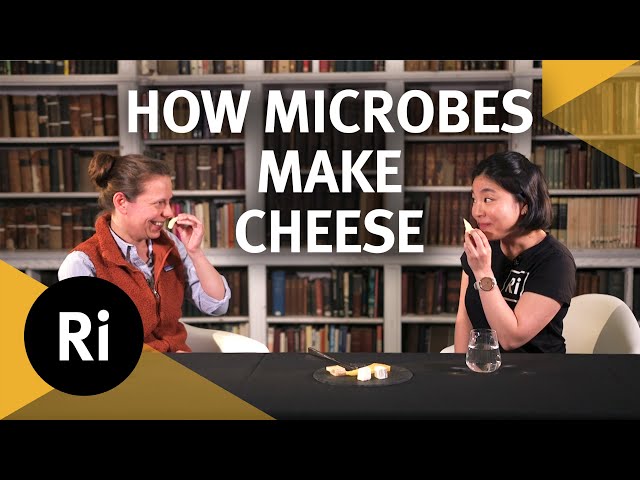
Dive into the fascinating world of cheese science in this 29-minute video podcast episode featuring biochemist and cheese expert Bronwen Percival. Explore the fundamentals of cheese production, uncover the biochemistry behind its distinctive aroma, and participate in cheese tastings. Learn about the fermentation process, the crucial role of salt, and the historical significance of cheese. Discover how microbes are selected for cheese-making, understand the unique flavors of different cheeses, and examine the challenges facing artisanal cheese production. Gain insights into the career path of a cheese scientist and broaden your understanding of this beloved food through engaging discussions and expert analysis.
YouTube
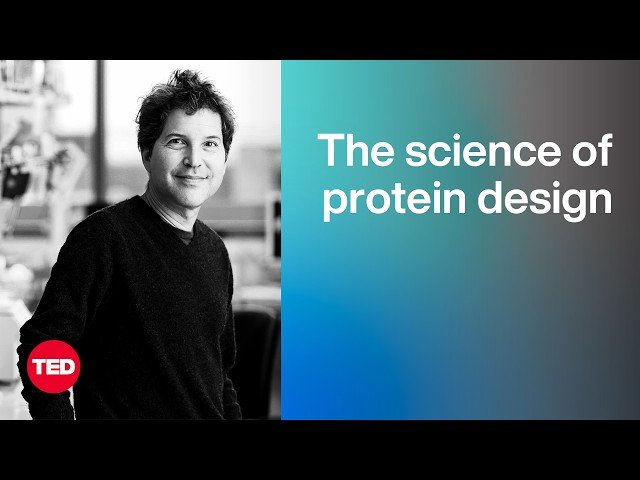
Explore the revolutionary field of protein design in this 31-minute TED conversation where Nobel Prize-winning biochemist David Baker discusses how artificial intelligence is being used to create entirely new proteins with unprecedented functions. Discover how this groundbreaking technology offers solutions to global challenges including virus prevention, pollution breakdown, and the development of novel materials. Learn about the scientific breakthroughs that are fundamentally transforming the future of science through the design of proteins with capabilities never before seen in nature. Gain insights into how this emerging superpower of building proteins from scratch is opening new possibilities across multiple fields, from medicine to environmental science to materials engineering.

YouTube
Explore the revolutionary field of epigenetics and its impact on heredity in this 56-minute lecture by distinguished biochemist David Allis from The Rockefeller University. Delve into the study of chemical modifications that can alter gene function without changing DNA sequences, and discover how these epigenetic changes can be influenced by factors like stress, diet, and exercise. Learn about the unexpected inheritance of epigenetic modifications across generations and their implications for evolution, human health, and the development of new cancer treatments. Gain insights into histone proteins, chemical tags, enzymes, and their roles in epigenetic processes. Examine biological examples, including parenting effects, disease connections, and histone variants in pancreatic cancer. Investigate the environmental influences on epigenetics and explore how behavioral and psychological changes can impact gene expression. Understand the significance of epigenetics in brain function, birth order, and belief systems, and consider the potential for exploiting this knowledge in future medical applications.
World Science U
Biochemist Mandë Holford explores the transformative powers of venom in biomedical research from its evolution in animals to its breakthrough use for treating pain, epilepsy, and hypertension and its untapped potential for future therapeutics.

YouTube
Explore groundbreaking techniques for diagnosing and treating viral infections in this 16-minute TED talk by biochemist Joe DeRisi. Discover how DNA analysis is revolutionizing the identification of viruses, potentially improving our understanding and management of diseases like malaria, SARS, and avian flu. Learn about DeRisi's innovative approach to tackling the 60 percent of everyday viral infections that currently go undiagnosed, offering hope for more effective healthcare solutions in the future. Gain insights into cutting-edge biochemistry research and its potential impact on global health challenges.

YouTube
Explore the groundbreaking potential of rewriting the human genome in this captivating 14-minute TED talk by Berkeley biochemist and CRISPR expert Sam Sternberg. Delve into the fascinating journey of how fundamental research on bacterial immune responses led to the development of CRISPR, a revolutionary tool for editing human DNA. Gain insights into the mechanics of CRISPR, its applications in embryo modification, and the profound implications for the future of genetic engineering. Discover the exciting possibilities and ethical considerations surrounding this cutting-edge technology that could reshape our understanding of human biology and medicine.

YouTube
Explore how automated chromatography systems revolutionize protein purification workflows in this 58-minute webinar presented by protein biochemist Dr. Karthik Rajasekar from Evotec. Discover the implementation of ÄKTA™ chromatography systems for automated multi-step purifications that significantly reduce manual errors while saving valuable laboratory time. Learn about autosampler integration for high-throughput protein quality assessment runs and gain practical insights for evaluating current manual workflows. Understand how automation with ÄKTA instruments drives enhanced efficiency and reproducibility in protein purification processes, addressing key challenges in drug discovery and development where accelerated protein production with high reproducibility is essential.

YouTube
Explore the origins and evolution of life on Earth in this 34-minute lecture by evolutionary biochemist Nick Lane. Unravel the tangled history of life, from the three domains of life to the complexity of eukaryotic cells. Delve into theories like serial endosymbiosis and the ring of life. Discover the role of alkaline hydrothermal vents and electrochemical flow reactors in early life formation. Examine the impact of mitochondria on evolution and population genetics. Gain insights into why life is the way it is and how it began, as presented by an expert from University College London's Department of Genetics, Evolution and Environment.

YouTube
Explore the life and groundbreaking work of Nobel Prize-winning American biochemist Julius Axelrod in this 56-minute archival interview from the Society for Neuroscience's "The History of Neuroscience in Autobiography" series. Recorded on November 21, 1994, delve into Axelrod's personal journey, scientific discoveries, and contributions to the field of neuroscience. Gain insights into the pivotal moments and research that shaped his career and earned him the Nobel Prize. This comprehensive video offers a unique opportunity to learn from one of the most eminent senior neuroscientists, providing valuable historical context and inspiration for aspiring researchers and neuroscience enthusiasts.

YouTube
Explore a 28-minute webinar presented by Dr. François Rousseau, a distinguished Professor and Medical Biochemist, on enhancing fetal fraction in EDTA-Gel NIPS samples through gel-based size-selection techniques. Gain insights from Dr. Rousseau's extensive 29-year experience in human molecular genetics and his contributions to groundbreaking research in genetic disorders. Learn about advanced methods for improving non-invasive prenatal screening (NIPS) sample quality, potentially leading to more accurate and reliable results in prenatal genetic testing. Discover how this innovative approach could impact the field of prenatal diagnostics and potentially improve outcomes for expectant mothers and their babies.

YouTube
Explore a 36-minute webinar presented by Dr. Werner Ruppitsch, a molecular biologist and biochemist, on the critical issue of antimicrobial resistance (AMR) dissemination through free extracellular DNA. Delve into the FED-AMR project, part of the One Health European Joint Programme, which investigates the significance of extracellular DNA in spreading AMR across agricultural soils and the food/feed chain. Gain insights into the study of microbial communities, clinically relevant bacteria, contaminants, and antimicrobial resistance genes (ARGs) in interconnected ecological compartments across Europe. Understand the implications of this research for addressing the major health threat posed by AMR and its potential impact on ecosystem boundaries.

YouTube
Explore the world of inflammatory myopathies in this 28-minute webinar presented by Dr. Matthew Lafrenière, a staff Clinical Biochemist at Sunnybrook Health Sciences Center. Delve into the pathophysiology, clinical classification, and current laboratory methods for detecting autoantibodies associated with these rare diseases characterized by progressive muscle weakness due to chronic skeletal muscle inflammation. Learn about the advantages and disadvantages of various detection techniques and gain insights into the clinical importance of autoantibodies in myositis. Discover how the classification of these rare diseases is based on a combination of clinical presentations, autoantibodies, and muscle histopathology. Earn PACE credits by watching the webinar and following the provided instructions.

YouTube
Explore the revolutionary gene-editing technology CRISPR and its potential to transform human health in this 21-minute talk from The Aspen Institute. Delve into the groundbreaking work of Nobel Prize-winning biochemist Dr. Jennifer Doudna as she discusses her discovery of CRISPR with author Walter Isaacson. Examine the moral and ethical implications of altering DNA sequences to correct disease-causing mutations. Gain insights into CRISPR's impact on the biotech industry, heritable genome editing, and the development of guidelines for its use. Consider the social and ethical questions surrounding this technology, including reducing costs and crossing the germ line. Learn about the latest advances in CRISPR, including detection devices, and reflect on its future implications for medicine and society.

YouTube
Explore the advancements in mass spectrometric analysis of large molecules in this 31-minute webinar presented by Dr. Junyan Shi, a clinical biochemist and tumor marker laboratory lead at Vancouver General Hospital. Gain insights into the key components of targeted protein quantitation using mass spectrometry, recent clinical applications, and available resources for enhancing efficiency in clinical laboratories. Compare the advantages of mass spectrometry over immunoassays in clinical chemistry, particularly for analyzing large molecules like proteins. Learn about the challenges and progress in adopting mass spectrometry for targeted protein analysis, and understand its potential impact on clinical applications. Discover how this technology is expanding beyond small molecule measurements to revolutionize protein quantification in clinical settings.

YouTube
Explore the fascinating debate surrounding the origins of life in this 56-minute panel discussion from the Santa Fe Institute's InterPlanetary Festival 2019. Join evolutionary theorist David Krakauer, biochemist Sarah Maurer, and biological scaling expert Chris Kempes as they delve into the mystery of abiogenesis. Discover the various hypotheses about how life began, from deep-sea hydrothermal vents to Darwin's "warm little pond" theory. Examine the far-reaching implications of this unsolved scientific question, including its impact on interplanetary exploration, medical approaches, and our fundamental understanding of what constitutes life. Gain insight into the importance of presenting ongoing scientific debates as evolving discussions, and consider how the origins of life debate shapes our perspective on existence itself.

YouTube
Explore the challenges and triumphs of women in STEM fields through this inspiring 16-minute TEDx talk. Delve into the personal journey of Mary Kenney Smith, a biochemist turned chemistry teacher, as she shares insights from her experiences growing up in West Virginia and pursuing a career in science. Gain perspective on the limitations and boundaries women face in STEM, and learn how they overcome these obstacles. Discover how Smith's background in biochemistry and molecular pharmacology, coupled with her passion for teaching, contributes to her unique viewpoint on the subject. This thought-provoking presentation, delivered at TEDxYouth@FranklinSchoolOfInnovation, offers valuable insights for anyone interested in promoting diversity and equality in scientific fields.

YouTube
Explore novel tools for drug discovery in neurodegenerative diseases in this 27-minute webinar presented by Dr. Jacob McPhail, a biochemist specializing in protein complexes. Learn about the development of consistent, scalable methods to generate active neurotoxic protein aggregates in vitro, focusing on Alzheimer's and Parkinson's diseases. Discover how these new molecular tools, including fibrils of pyroglutamate Aβ, tau dGAE fragment, and co-polymer alpha-synuclein and tau fibrils, expand the range of constructs available for studying neurodegenerative diseases and facilitate drug discovery efforts. Gain insights into the common pathological mechanisms of protein aggregation leading to neuronal toxicity and plaque formation in these disorders. Understand the importance of establishing disease models that effectively mimic in vivo pathology for advancing AD/PD drug discovery.

YouTube
Explore novel tools for drug discovery in neurodegenerative diseases in this 27-minute webinar presented by Dr. Jacob McPhail, a biochemist specializing in protein complexes. Gain insights into Alzheimer's and Parkinson's diseases, focusing on the abnormal protein aggregates that characterize these disorders. Learn about innovative methods for generating active neurotoxic protein aggregates in vitro, including fibrils of pyroglutamate Aβ and tau dGAE fragment. Discover how these molecular tools can expand research possibilities and facilitate drug discovery efforts for neurodegenerative diseases. Understand the potential of co-polymer alpha-synuclein and tau fibrils in advancing our understanding of disease pathology. Delve into the latest advancements in creating disease models that effectively mimic in vivo pathology, crucial for accelerating Alzheimer's and Parkinson's drug discovery research.

Coursera
The course introduces the three key spectroscopic methods used by chemists and biochemists to analyse the molecular and electronic structure of atoms and molecules. These are UV/Visible , Infra-red (IR) and Nuclear Magnetic Resonance (NMR) spectroscopies. The content is presented using short focussed and interactive screencast presentations accompanied by formative quizzes to probe understanding of the key concepts presented. Numerous exercises are provided to facilitate mastery of each topic. A unique virtual spectroscopic laboratory is made available to enable students to measure and analyse spectra online. Assessment is via summative quizzes completed during the course period.