

Courses
Discover thousands of courses from top institutions and platforms worldwide
Level
Course Type
Duration
XuetangX
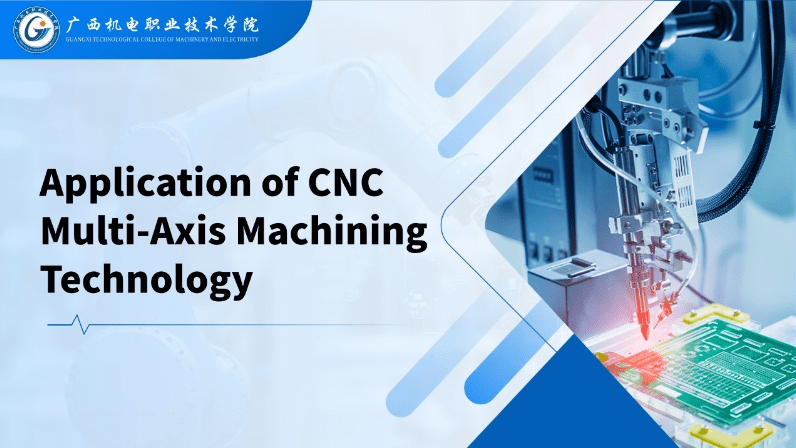
CNC multi-axis machining technology is an advanced technique that uses multi-axis interlinking CNC machine tools to achieve efficient and precise machining of complex parts through precise computer control. It can reduce the number of workpiece setups, significantly improve machining accuracy and production efficiency, and is widely used in precision manufacturing fields such as aerospace and automotive. The ability to interlink four to nine axes makes it easy to machine three-dimensional surfaces and is an important force in driving the development of manufacturing technology.This course aims to equip you with the ability to operate, program, and apply multi-axis CNC machine tools. After completing this course, you will be able to read drawings (comprehend), write programs (compile), and apply them flexibly in practice (apply).The course content is rich and practical, mainly including: the structural principles and control systems of multi-axis machine tools; multi-axis programming languages, coordinate systems, and tool path planning; machining strategies and parameter optimization; machine tool operation interfaces, parameter settings, and troubleshooting; case analysis of typical part machining; and advanced technologies such as the widely used five-axis interlinking. Through these studies, you will be able to independently perform multi-axis CNC machining and effectively enhance your engineering practice ability.

YouTube
Dive into the essential process of workholding and machine setup for part production in this 16-minute video from Autodesk's Start to Part series. Learn from hosts Peter and Richard as they guide you through fundamental techniques crucial for beginning your machining journey. Explore the next steps after acquiring a CNC machine, building upon knowledge from the previous episode. Gain valuable insights to enhance your machining skills and prepare for successful part production. Access additional resources, including a free trial and social media connections, to further support your learning experience in the field of CNC machining and Autodesk Fusion.

XuetangX
Manufacturing industry is the pillar industry of national economy, is the dominant force in industrialization and modernization, CNC(Computer Numerical Control) technology is the foundation of modern manufacturing technology, is in the "4.0" industrial strategy has the important support role, CNC machining program compiled in NC machining plays an extremely important position, therefore, to learn and master CNC machining programming technology is a contemporary undergraduates should have the basic ability of mechanical engineering.This course to students as the center, through the course content fragmentation, inner logical systematization, reconstruct the course system, from the basic principle of CNC technology, in the master the basic theory of CNC machining, process principle, mathematical processing method, with examples to guide teaching, through the case explanation, simulation operation, practice a combination of teaching and learning, and make the students understand the basic concept of CNC machining programming, CNC machining programming ability in engineering application.

YouTube
Dive into the third episode of the "Start to Part" series, focusing on tooling for CNC machining. Learn from hosts Richard and Peter as they guide you through the crucial process of selecting and setting up the right tools for your machining projects. Gain valuable insights into creating an efficient tool library in Fusion, enhancing your workflow and productivity. This 21-minute video equips you with essential knowledge to advance your machining skills and optimize your use of Autodesk Fusion. Explore the entire series for a comprehensive understanding of the machining process, from start to finish. Access free trials, subscribe for updates, and connect with the Fusion community on various social media platforms to further your learning and stay informed about the latest developments in CNC machining and Autodesk Fusion.

YouTube
Explore the process of machining custom race car parts using the Carvera desktop CNC mill in this comprehensive video. Learn about the improvements made to the final production version of the machine and follow along as three bespoke parts are designed and manufactured. Discover the workflow for creating a diffuser stay, a fire suppressor tank adaptor, and a quick release 360 camera mount. Gain insights into using CAM software like Kiri:Moto and understand the capabilities of the Carvera CNC for producing high-quality custom parts. Compare the cost and benefits of CNC machining to 3D printing, and hear suggestions for further improvements to the Carvera machine. Whether you're a racing enthusiast or interested in CNC technology, this video provides valuable information on creating custom parts for specialized applications.
YouTube
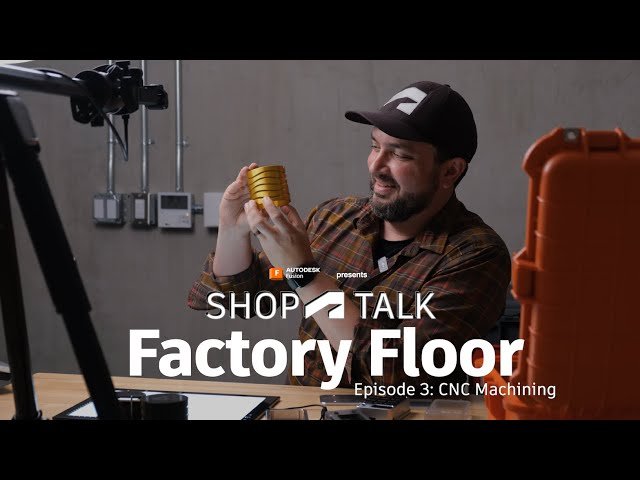
Learn CNC machining best practices and efficiency techniques in this 13-minute video from Autodesk's Shop Talk Factory Floor series. Discover how Jonathan Odom demonstrates using Fusion software to boost CNC machining efficiency while reducing material waste. Explore the critical role of value engineering in cost reduction without compromising design quality. Examine real-world applications through Autodesk's Factory Experience products, showcasing how CNC machining techniques have evolved to achieve faster production times and improved efficiency over the years. Gain insights into practical manufacturing strategies that balance speed, quality, and cost-effectiveness in modern CNC operations.
YouTube
Learn about the fundamentals and applications of Laser Beam Machining through a detailed 29-minute lecture that explores the key attributes of laser technology, covering both spontaneous and stimulated emission processes. Discover the historical context of laser's first occurrence, various classification systems, and current industry challenges while examining practical applications in manufacturing. Master the advantages and limitations of this advanced machining technique, gaining valuable insights into how laser technology has revolutionized gas turbine manufacturing processes.

YouTube
Dive deep into the world of 4th axis simultaneous machining with this comprehensive live stream focused on Rotary Machining in Fusion 360. Learn to create advanced toolpaths that go beyond simple wrapped techniques, mastering true 4th axis simultaneous toolpaths for CNC machines. Explore new features, design processes, tool pass creation, manufacturing extensions, and setup procedures. Gain insights into rotary tool paths, geometry manipulation, tool library management, and realistic process simulation. Perfect for CNC enthusiasts, professionals considering a 4th axis upgrade, or anyone looking to enhance their Fusion 360 skills in advanced machining techniques.

YouTube
Explore the final stages of CNC machining in this 15-minute video from Autodesk's Start to Part series. Dive into the crucial transition from roughing to finishing operations as Richard and Peter demonstrate how to balance visual appeal with functionality. Learn essential techniques for achieving a polished end product in machining. Perfect for beginners, this episode provides valuable insights into the finishing process without overcomplicating the subject. Gain practical knowledge to enhance your machining skills and create professional-quality parts.

YouTube
Explore the world of 3+2 machining and its impact on CNC shop efficiency in this 58-minute webinar. Learn about the differences between 3+1, 3+2, and 4- and 5-axis simultaneous machining, suitable for both newcomers and experienced Fusion 360 users. Discover how upgrading from manual setups on 3-axis machines to 4- or 5-axis machines can boost productivity and profitability. Gain insights into the advantages of multi-axis capabilities when making rotary or indexer purchasing decisions, and master the use of these tools to maximize machine potential. The webinar covers various topics, including pocket features, rotary toolpaths, milling brackets, roughing tool paths, contour editing, post-processing, collision mitigation, and machine simulation. Additionally, learn about converting to 5-axis machining and using Visual Studio Code for enhanced workflow.

YouTube
Learn about essential machining processes used in hydroelectric turbine manufacturing through a 23-minute lecture that covers CNC operations and specialized techniques for three major turbine types. Explore detailed machining procedures for Pelton, Kaplan, and Francis turbines, gaining insights into the precision engineering required for hydropower equipment production. Master the fundamental manufacturing operations that ensure optimal performance and reliability in industrial-scale hydro turbines.

Coursera
Welcome to the Heavy Manufacturing course, where we explore the intricate techniques and technologies essential for modern manufacturing. This comprehensive program delves into three key areas: Machining Processes in Manufacturing, Fluid Power System in Production and Controls of Manufacturing, and Pressure Vessel Specialized Manufacturing, Surface Treatment, and Refractory Materials. Through theoretical knowledge and hands-on practical applications, students will gain a deep understanding of the principles, methodologies, and best practices shaping the field of advanced manufacturing. In the Machining Processes module, students will embark on a journey through the fundamental techniques used to shape raw materials into precise components. From traditional turning and milling to specialized processes such as deep hole drilling and thread machining, learners will explore the principles of material removal, tool selection, and chip formation. Understanding the mechanism of metal cutting, tool wear, and tool life is crucial for optimizing machining parameters and achieving superior surface finish and dimensional accuracy. Additionally, learners will delve into advanced machining technologies including CNC machines and programming, enabling automation and enhancing productivity in manufacturing operations. The Fluid Power System module introduces learners to the dynamic world of hydraulic and pneumatic systems that power a wide range of manufacturing processes. Through theoretical lectures and practical demonstrations, learners will delve into the components, properties, and generation of hydraulic oil and compressed air. Control valves play a pivotal role in regulating fluid flow and pressure within these systems, and new learner will gain expertise in various valve types and their applications. Hands-on circuits is included in designing hydraulic-powered circuits for milling, grinding, drilling, and hydraulic press applications, as well as pneumatic circuits for safety, clamping, and dual pressure control. Maintenance and troubleshooting techniques for fluid power systems, including pneumatic systems and servo valves, will also be covered to ensure uninterrupted operation in manufacturing environments. In the Pressure Vessel module, learners will explore the intricacies of fabricating and maintaining vessels designed to contain fluids or gases at high pressures and temperatures. Specialized manufacturing processes such as tube-to-tube sheet welding and robotic welding ensure precise assembly and structural integrity of pressure vessel components. Surface treatment methods, including painting and thermal spray aluminum coating, are vital for enhancing corrosion resistance and extending vessel lifespan. Furthermore, learners will gain insights into the selection and application of refractory materials to provide thermal insulation and protect vessel walls in high-temperature environments. By the end of this course, students will emerge as proficient Manufacturing Engineers equipped with the knowledge and skills to tackle complex challenges in advanced manufacturing processes. Whether entering the workforce or advancing in their careers, graduates will be well-prepared to contribute to industries at the forefront of technological innovation and industrial excellence. Target Learners: Working Professional of Mechanical, Manufacturing and Chemical Engineers Undergraduate students of Mechanical, Manufacturing & Chemical Engineering Students from Manufacturing and Automation Post-Graduate Students of Computer Integrated Manufacturing Practicing Engineers in Process Plant equipment Diploma students of Mechanical / Manufacturing

YouTube
Machining is one of the basic and very important courses for mechanical undergraduate students. This process comes under the subtractive manufacturing processes wherein the material is removed. This course gives a basic understanding of the various machining processes and their physics.

YouTube
Learn about advanced machining processes with a focus on Electro Discharge Machining (EDM) in this 37-minute lecture covering the fundamental components of RC circuits, EDM spark characteristics, and process parameters. Explore the role of dielectric fluids in the EDM process while understanding the capabilities and limitations of this critical manufacturing technique used in gas turbine production. Master essential concepts through detailed explanations of process characteristics and practical applications in industrial machining operations.
YouTube
Learn about advanced manufacturing techniques for gas turbines in this 32-minute lecture covering Hot Isostatic Pressing (HIP) and machining processes. Explore the healing mechanisms, advantages, and applications of HIP technology, and understand its effects on material properties. Gain insights into various machining process classifications and their specific objectives in gas turbine manufacturing, essential knowledge for engineers and manufacturing professionals in the aerospace and power generation industries.

Udemy
Mastercam from beginner techniques milling with CNC Programming What you'll learn: Mastercam millingCNC Programming2D and 3D Wireframe Geometry CreationEffective Exercise (Free Download)Manufacturing process Mastercam CAD CAM and CNC Milling Programming FundamentalMastercam software has the easiest interface and the easiest to learn in the world. This software is used in many small and medium-sized companies and is a Cad Cam software. Cad = Computer-aided design and Cam Computer-aided Manufacturing. You can design and manufacture using the same interface with the help of Mastercam software. In addition, the design and manufacturing are parametric and you do not need to re-enter the manufacturing parameters when you change any parameter in the design. When you watch the training videos, you will be able to learn CNC working logic, M, G codes, 2D and 3D design, 2½ axis milling, 3 axis milling, 4 and 5 axis milling, turning, C axis turning with all industrial applications.Give your shop the best possible foundation for fast and efficient milling. From general purpose methods such as optimized pocketing to highly specialized toolpaths like 5-axis turbine cutting, with Mastercam Mill, your parts are produced faster, with greater accuracy, quality, and repeatability.Many of the products we use every day are made with the help of Mastercam Mill. This software delivers a full array of machining strategies and so much more. Mastercam milling solutions can be customized to what your shop needs today and easily scaled to meet your future manufacturing needs.Our lathe cam programming software gives you a set of tools to turn your parts exactly as you need them. Mastercam Lathe provides easy roughing, grooving, threading, parting, boring, drilling, and finishing routines for increased productivity. Improve your productivity with simultaneous 4- and 5-axis machining capability for Mastercam. Mastercam Multiaxis offers a wide range of multiaxis machining strategies—both basic and advanced.Multiaxis toolpaths are also very useful for advanced control on 3-axis machines. With Mastercam, you have complete control over three crucial elements of multiaxis machining: cut pattern, tool axis control, and collision avoidance.

Udemy
Comprehensive 14+ Hours Course Coving all the Essential Topics of Manufacturing Processes for Engineering Degree. What you'll learn: Gain an understanding of the Importance & Classification of Plastics, Properties of Polymer Melts, and Inspection of Plastic Parts made by Molding Processes.Learn about Compression, Transfer, Blow, and Injection Molding Processes for manufacturing plastic products.Develop knowledge on Metal Forming Processes such as Rolling, Forging, Extrusion, Wire & Bar Drawing, Cutting, and Bending Processes.Acquire knowledge on Types, Advantages & Disadvantages of Metal Machining Processes.Get familiar with Turning, Boring, Drilling, Milling, and Grinding Processes that are used for Metal Machining.Understand the Types of Metal Casting Processes,Heating of Metals for Pouring into Molds & its Analysis, Behavior of Molten Metals and Alloys on Solidification.Learn about Sand Casting, Permanent Mold Casting, Die Casting, Inspection Methods for Metal Casting & ll kinds of Metal Casting Defects, and their Solutions.Gain knowledge about the Physics of Welding, Thermal Analysis of Fusion Welding, and Types of Welding such as Arc, Resistance, Oxy-Fuel and Pressure Welding. In today's rapidly evolving world, knowledge and skills are essential to thrive in any industry. The manufacturing industry, in particular, requires a diverse set of skills and knowledge to remain competitive and stay ahead of the curve. From plastic molding and metal forming to metal machining, metal casting, and welding processes, the manufacturing industry involves a vast array of complex processes that require a deep understanding of their principles, theories, and applications.Gaining knowledge and skills in these critical areas is essential for those who aspire to work in the manufacturing industry. It not only enhances their employability but also opens up new career opportunities. However, enrolling in individual courses to gain expertise in each of these areas can be time-consuming and costly. That's where the importance of a comprehensive course comes in. By enrolling in a comprehensive course that covers all of these critical topics, individuals can gain practical hands-on experience and develop the necessary skills and knowledge needed to succeed in the manufacturing industry. These five courses cover a range of essential topics and offer hands-on experience to prepare students for success. The Plastic Molding Fundamentals - SPE Certification Program course provides a comprehensive overview of the plastic molding process, including identifying common defects and implementing quality control measures. The Metal Forming Processes -Bulk Deformation & Sheet Metalworking course covers a range of metal-forming processes and their applications, offering excellent career prospects in various industries. The Fundamentals of Metal Machining Techniques & Machine Tools course covers the art of metal machining, providing a comprehensive understanding of the metal machining process and the skills needed to succeed in the industry. The Metal Casting: Techniques, Materials, and Product Design-AFS course explore the fundamentals of metal casting, including casting defects and their solutions, inspection methods, and product design considerations. Lastly, the Fundamentals of Welding Processes course provides learners with a solid understanding of power density, heat balance, and the different types of welding, making it perfect for beginners or experienced welding professionals. Enrolling in all five courses separately can be time-consuming and costly. However, you can get all of these courses just by enrolling in one course that covers all of these topics. This not only saves time and money but also provides a more comprehensive learning experience. By enrolling in this comprehensive course, you will gain a thorough understanding of all these essential topics and acquire the skills and knowledge needed to succeed in the manufacturing industry.

Udemy
Mastercam CAD CAM and CNC Milling Programming Professional What you'll learn: Mastercam millingCNC Programming G CodeAdvanced Manufacturing2D and 3D Wireframe Geometry CreationSurface And Solid ModelingImporting and Exporting of Non-MasterCAM files (such as SolidWorks etc.)Mastercam Lathe and C Axis turning operationMilling and Multi Axis Programming SolutionEffective Exercise (Free Download)Wire 2 and 4 Axis applicationAdvanced manufacturing technologiesHigh speed toolpath in 2 and 3 AxisManufacturing processCutting and Spindle speed decision making Mastercam CAD CAM and CNC Milling Programming ProfessionalMastercam software has the easiest interface and the easiest to learn in the world. This software is used in many small and medium-sized companies and is a Cad-Cam software. Cad = Computer-aided design and Cam Computer-aided Manufacturing. You can design and manufacture using the same interface with the help of Mastercam software. In addition, the design and manufacturing are parametric and you do not need to re-enter the manufacturing parameters when you change any parameter in the design. When you watch the training videos, you will be able to learn CNC working logic, M, G codes, 2D and 3D design, 2½ axis milling, 3 axis milling, 4 and 5 axis milling, turning, C axis turning with all industrial applications.Give your shop the best possible foundation for fast and efficient milling. From general purpose methods such as optimized pocketing to highly specialized toolpaths like 5-axis turbine cutting, with Mastercam Mill, your parts are produced faster, with greater accuracy, quality, and repeatability.Many of the products we use every day are made with the help of Mastercam Mill. This software delivers a full array of machining strategies and so much more. Mastercam milling solutions can be customized to what your shop needs today and easily scaled to meet your future manufacturing needs.Our lathe cam programming software gives you a set of tools to turn your parts exactly as you need them. Mastercam Lathe provides easy roughing, grooving, threading, parting, boring, drilling, and finishing routines for increased productivity. Improve your productivity with simultaneous 4- and 5-axis machining capability for Mastercam. Mastercam Multiaxis offers a wide range of multiaxis machining strategies—both basic and advanced.Multiaxis toolpaths are also very useful for advanced control on 3-axis machines. With Mastercam, you have complete control over three crucial elements of multiaxis machining: cut pattern, tool axis control, and collision avoidance.

YouTube
PRE-REQUISITES: Basic Knowledge of Machine tools, Workshop practice desirable but not necessary, binary logic, logic gates, curved surface geometry. INDUSTRY SUPPORT: Manufacturing companies employing CNC machining technology COURSE OUTLINE: These lectures would introduce the idea of Computer Numerical Control (CNC) of machine tools and processes to the students. It will cover the classification of such machine tools, technology and devices employed in CNC machines, 2D and 3D programming and interpolation. With every part, there will be MCQ, tutorial, problem solving and discussions.

Swayam
This is a fundamental course on Production Technology clarifying some of the basic manufacturing processes including 10 hours of the hands-on laboratory sessions. This course has five modules, namely Materials and their properties, Conventional Machining Processes, Non-Traditional Machining Processes, computer Numerical Controls and Metrology. This is will be helpful for a wide variety of audience including UG students of all Engineering Disciplines and practicing engineers in the manufacturing industries.INTENDED AUDIENCE :UG and PG students; practicing engineersPRE-REQUISITES : NILINDUSTRY SUPPORT : Machine Tool industries; Automobile manufacturing industries.