

Courses
Discover thousands of courses from top institutions and platforms worldwide
Level
Course Type
Duration

Udemy
Wordpress installation using separate domain registrar and web host, plus why it is essential to set it up that way. What you'll learn: Understand the differences between Wordpress.com and Wordpress.orgUse a separate registrar and web hostInstall WordpressCreate posts and pagesFind and install new themesFind and install pluginsCreate a 100% free Wordpress website if they want Installing Wordpress - Installation, domain registrars and web hosting is a course designed to give complete beginners all the knowledge and skills they need to install Wordpress on any web host. We'll discuss domain registrars and web hosting, and see why it is better to use two separate companies for this, rather than relying on your web host to act as both host and registrar. If that statement confuses you, don't panic. I'll explain how to set all of this up, with videos and PDFs to help every step of the way. I'll even show you how to move a domain you already own to a separate domain registrar. We'll look at two automated ways of installing Wordpress, plus a manual method using FTP for those that like adventure. I'll tell you which automated method is better, and why. Once Wordpress is installed, we'll clean up the installation to remove the "fluff" that Wordpress installed. We'll look at adding posts and pages, and talk about the main differences between these two types of document. One of the reasons I love Wordpress is the simplicity of changing the look and feel of the site using themes. We'll see how to find and install specific themes that meet your criteria, as well as how to install premium themes in case you buy one. One of the most powerful features of Wordpress is the way it can be extended using plugins, which add new features and capabilities to an already powerful content management system. We'll look at finding and installing plugins (both free and premium), and I'll tell you some of the free plugins I use on most of my sites. Finally, for those that want a 100% free Wordpress site, I'll show you how to create one. There are limitations to this type of Wordpress site, but hey, it's free, right? I'll let you know what you can and cannot do with these free sites. By the end of this course, you will be able to install Wordpress on any web host, using a separate domain registrar, and understand why that is important.
YouTube
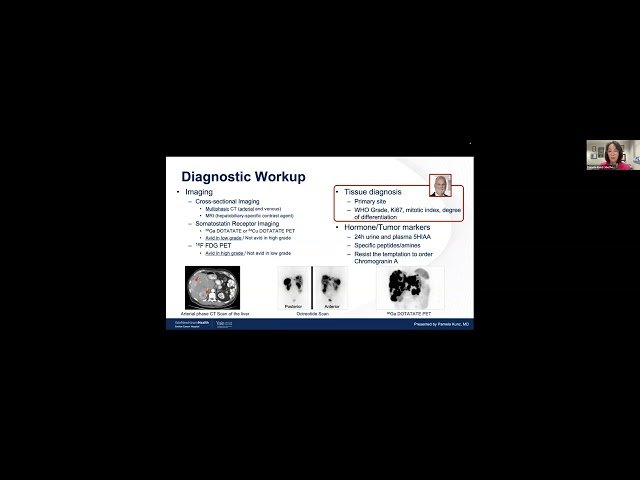
Join this 1 hour 20 minute CME webinar on Neuroendocrine Cancer, the final installment of the four-part Center for GI Cancers Webinar Series from Yale Cancer Center. Recorded on May 22, 2015, the webinar features expert presentations by Drs. Pamela Kunz, David Klimstra, Gabriela Spilberg, and John Kunstman who share their knowledge and insights on the latest developments in neuroendocrine cancer diagnosis, treatment, and management. Gain valuable continuing medical education credits while expanding your understanding of this specialized area of oncology.
YouTube
Join this 1-hour 6-minute CME webinar from Yale Cancer Center's four-part Center for GI Cancers series focusing on Colorectal Cancer. Scheduled for March 27, 2025, the webinar features presentations by Dr. Michael Cecchini and Dr. Haddon Pantel, providing valuable continuing medical education on the latest developments in colorectal cancer diagnosis, treatment, and management strategies.
YouTube
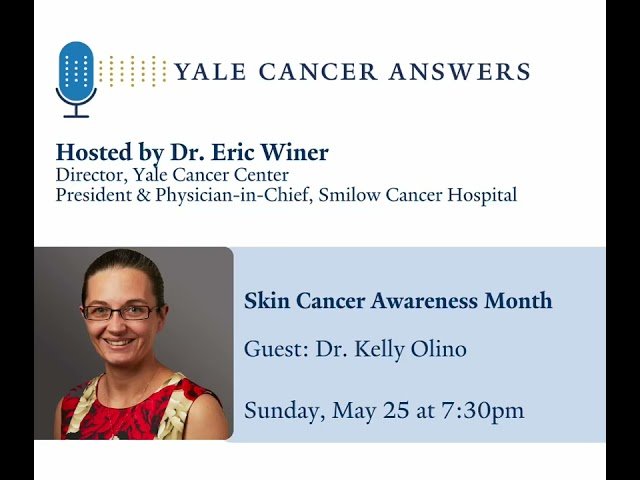
Join a discussion with Dr. Kelly Olino, a doubly board-certified surgical oncologist from Yale Cancer Center, in honor of Skin Cancer Awareness Month. Dr. Olino provides comprehensive surgical care for patients with melanoma, merkel cell carcinoma, sarcoma, and advanced cutaneous squamous cell and basal cell carcinoma. Learn about these various skin cancer types and treatment approaches from a specialized expert in the field.
YouTube
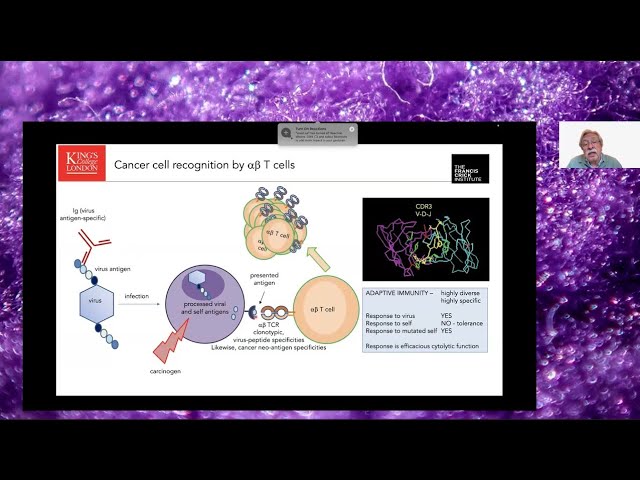
Explore a compelling conference talk by Adrian Hayday from the Crick Institute, UK, focusing on expanding the reach and effectiveness of cancer immunotherapy treatments. Recorded on February 26, 2025, as part of the European Association for Cancer Research (EACR) virtual conference "The Systemic Consequences of Cancer: Cancer as a Whole-Body Disease," this 26-minute presentation examines strategies for making immunotherapy accessible to a broader range of cancer types and patients. Learn about cutting-edge research and approaches that could potentially transform cancer treatment paradigms and improve outcomes for more individuals affected by various forms of cancer.

FutureLearn
Explore germline variation in cancer susceptibility genes Germline genomic variation can increase the risk of developing cancer. It’s essential to use the best evidence available to decide if a genomic variant is likely to increase the chance of a person developing cancer. This allows us to offer at-risk individuals access to appropriate screening, prevention, and personalised treatments. Learn how to interpret genes for susceptibility to cancer On this course, you will consider how variant interpretation in cancer susceptibility genes has different considerations when compared with variant interpretation in rare paediatric disease. You’ll explore the guidelines produced by the UK Cancer Variant Interpretation Group (CanVIG-UK) for variant interpretation and how these can be applied to the American College of Medical Genetics (ACMG) framework in the classification of germline variants in cancer susceptibility genes. Study the CanVIG-UK guidelines in theory and practice This course will provide you with patient examples to explore the complexities of variant interpretation in cancer genomics. You’ll also hear from experts in the field about how the CanVIG-UK guidance was created. You’ll be encouraged to apply your learning through case-based exercises that illustrate both the strengths and weaknesses of the tools and guidelines available for cancer variant interpretation. Study with world-leading genomic experts at St George’s Learn from Professor Kate Tatton-Brown and Dr Katie Snape – renowned consultant Clinical Geneticists leading on variant interpretation for rare disease and cancer. This course is part of a series with Interpreting Genomic Variation: Fundamental Principles. This course would be suitable for: • Clinical Genetics doctors (consultant and specialist registrars) • Clinical Scientists • Genetic Counsellors • Clinical Oncology doctors (consultants and specialist registrars) • Pathologists undertaking cancer MDTs • Specialist oncology nurses undertaking genetic testing
YouTube
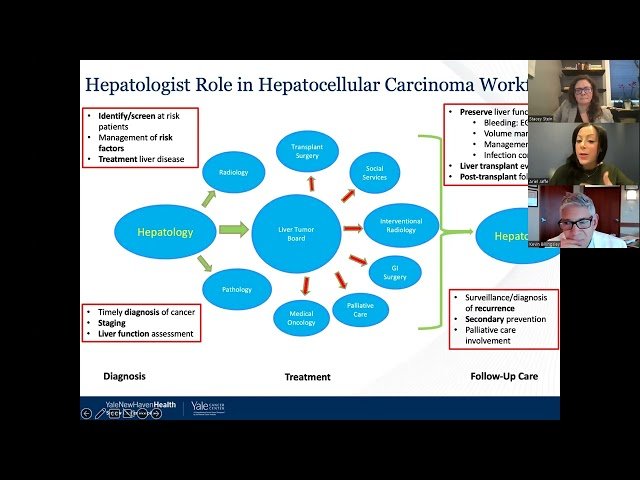
Join a comprehensive medical education webinar focused on liver cancer, featuring expert presentations from Yale Cancer Center faculty. Led by Dr. Stacey Stein, Associate Professor of Medicine in Medical Oncology and Assistant Medical Director of the Clinical Trials Office, along with distinguished speakers Dr. Ariel Jaffe and Dr. Kevin Billingsley, explore current approaches and advancements in liver cancer treatment and management. Gain valuable insights into gastrointestinal oncology through this continuing medical education session designed for healthcare professionals seeking to enhance their knowledge of liver cancer diagnosis, treatment strategies, and patient care protocols.

YouTube
Dive into the complex world of cancer biology through a comprehensive 2.5-hour video series. Explore key concepts such as proto-oncogene activation, types of oncogenes, and the role of mutations in tumor suppressor and growth regulatory genes. Examine cancer cell growth, properties, and development, with a specific focus on colon cancer. Learn about genes associated with cancer, cell strains, and cell lines. Gain a thorough understanding of the causes of cancer and its biological foundations through this in-depth, multi-part exploration of cancer biology.

YouTube
Explore the impact of pancreatic adenocarcinoma through the lens of Supreme Court Justice Ruth Bader Ginsburg's passing in this informative video. Learn about the aggressive nature of pancreatic cancer, its position as the 4th most common cause of cancer-related death in the United States, and its potential to metastasize to lymph nodes, liver, and major blood vessels. Gain insights into Justice Ginsburg's 27-year tenure on the Supreme Court of the United States and her significance as the second woman to serve in this role. Delve into the medical aspects of pancreatic cancer while reflecting on the legacy of a remarkable jurist.

Swayam
e-Learning course on cancer fundamentals has been designed by Indian Cancer Society- Delhi who hasbeen working in cancer control through a multi-pronged approach of Cancer Awareness and Primarypreventive screening since 1983, to increase self-awareness on cancer and to understand that cancerlike other non-communicable diseases is life style related.This is a self-paced MOOC that has been specially designed in collaboration with Shri Guru Tegh BahadurKhalsa College, University of Delhi with the help of various experts.It will benefit students, awareness speakers, clinical psychologists, social workers and field healthfunctionaries in understanding cancer, its types, importance of awareness of risk factors and screening.Making individuals aware of commercial determinants of health, cancer treatments available, palliativecare and government policies and program on cancer so that the Conquest of Cancer is by Choice notChance.ई-चैतन्य ई-चैतन्य कोर्स में 9 मॉड्यूल शामिल हैं I इस कोर्स के अंतर्गत आप कैंसर, उसके प्रकार, जोखिम कारक, कैंसर के लक्षण, कैंसर की जाँच, उसका महत्व तथा कैंसर से जुड़े मिथकों के बारे में भी स्पष्ट रूप से सीख पाएंगे I हमारी इस यात्रा में कोशिका हमारा साथ देंगी और कोर्स को बहुत ही अद्भुत रूप से पेश करेंगी। कैंसर एक संक्रामक रोग नहीं बल्कि हमारी जीवन शैली से जुड़ा रोग है I 40 प्रतिशत कैंसर ऐसे है जिन्हे रोका जा सकता है I इसे कैसे रोकें, क्या क्या सावधानिया हमे बरतने की आवश्यकता है यह हम इस छोटे कोर्स के ज़रिये बेहद आसान हिंदी भाषा में सीख पाएंगे Iलक्षित दर्शक:आशा कार्यकर्ता, एएनएम, फील्ड स्वास्थ्य अधिकारी, छात्र, गृहणि तथा जो इस कोर्स से कैंसर के बारे में जानकारी लेना चाहें I

edX
Cancers are a serious threat to people's lives. People are very afraid of cancers but have little knowledge of them. The course will introduce the basic concepts of oncology, the basic knowledge of cancer biology, and the content of clinical oncology. We expect students to pay attention to cancers, understand cancers, increase awareness of cancer prevention, and stimulate students' enthusiasm and interest in cancer research in the future. This course will use the world's authoritative English textbook "The Biology of Cancer" by the famous cancer biologist Robert A. Weinberg as the main bibliography, focusing on the basic concepts of cancer biology and the development of modern science and clinical cancers. Although the course is mainly related to the medical profession, the explanation emphasizes the knowledge explanation based on science, and the non-professional students can apply for study. Students in the fields of medicine, biology, pharmacy, biomedicine, chemistry, physics, etc. have more advantages in this course. The course invites 8 professors and clinical experts from Tsinghua University School of Medicine and Beijing Tsinghua Chang Gung Memorial Hospital to work on cancer research. The strong faculty members bring the most cutting-edge and most advanced course content to students.

Coursera
The healthcare system is a rapidly evolving field with new research leading to advancements in medicine. Developed at Johns Hopkins University and led by top-ranked Hopkins faculty and cancer experts, this specialization on Cancer Biology focuses on the basics of cancer biology, how cancer metastasis occurs, and specifically, screening guidelines for prostate cancer, the most common cancer in American men. This specialization starts with an Introduction to the Biology of Cancer, introduces the molecular biology of cancer and the biologic hallmarks of cancer. The course also describes the risk factors for the major cancers worldwide, including lung cancer, breast cancer, colon cancer, prostate cancer, liver cancer, and stomach cancer. Experts at Johns Hopkins University explain how cancer is staged, the major ways cancer is found by imaging, and how the major cancers are treated. The specialization takes a deeper dive in Understanding Cancer Metastasis, explaining how cancer spreads or metastasizes. This course will describe the major theories of metastasis and then describe the biology behind the steps in metastasis. The course also describes the major organs targeted by metastasis and describes how metastases harm the patient. Lastly, it focuses on Understanding Prostate Cancer, providing you with the tools to examine the incidence of prostate cancer, including risk factors, stages, and treatments at each stage.

Udemy
A simple to follow nutrition tips for cancer survivors, who are either in treatment or in remission What you'll learn: Get the best nutrition tips for cancerDiscuss the different nutrients needed by cancer survivorsLearn different diets and techniques for different cancer treatments This course is about how cancer can be controlled, stopped or prevented using proper nutrition. Cancer can be a formidable diagnosis, but it is not a death sentence.This course will take about 1-2 hours and contains PDFs that can be printed. This course is structured for people to be able to recall and understand with ease. Course includes tips on:Foods that feed or fight cancerFoods that boost the immune systemWhat to take before, during and after surgery, chemotherapy and radiotherapyWhat supplements would be the ideal for cancer prevention, recurrenceWhat is detoxification and fasting good for

FutureLearn
What is the one thing that all cancers have in common? They begin as mutant or rebel cells! In this course we will explore how changes in cancer genetics and epigenetics enables these cells to grow uncontrollably, by exploiting our blood vessels and immune system along with other systemic changes. Finally, we will discuss how our understanding of genetics has helped both refine conventional treatments like radiation and chemotherapy, and inform the design of new treatments that can target specific proteins within cancer cells. This course is an introduction to cancer genetics and is designed to further your knowledge of the molecular basis of cancer. It is suitable for secondary school students, considering studying medicine, nursing, or other careers in healthcare, as well as teachers who wish to learn more about cancer development. It would also be beneficial for undergraduate students, pharmacists, nurses, and medical practitioners who want to further their understanding of the genetics and epigenetics. This course is also suitable for cancer patients, families, and carer groups who want to explore the science behind cancer development and treatment.
YouTube
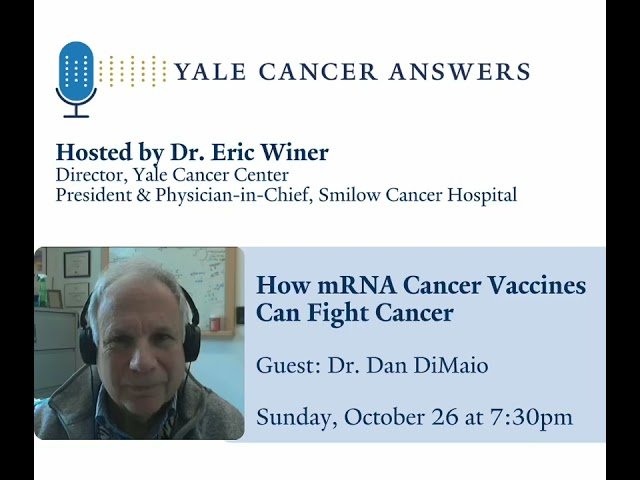
Learn how messenger RNA (mRNA) technology is being developed and utilized to create innovative cancer vaccines that can potentially revolutionize cancer treatment. Explore the fundamental mechanisms behind mRNA cancer vaccines, including how they work to stimulate the immune system to recognize and attack cancer cells by instructing cells to produce specific cancer-associated proteins that trigger an immune response. Discover the current research and clinical trials being conducted to test the efficacy of these vaccines across different cancer types, and understand the advantages mRNA vaccines offer over traditional cancer treatment approaches, such as their ability to be rapidly designed and manufactured for personalized cancer therapy. Examine the challenges and limitations currently facing mRNA cancer vaccine development, including delivery methods, stability issues, and the complexity of cancer biology that must be overcome for successful implementation. Gain insights into the future potential of mRNA cancer vaccines as both preventive measures for high-risk individuals and therapeutic interventions for existing cancer patients, and understand how this technology builds upon the success of mRNA COVID-19 vaccines to address one of medicine's greatest challenges.
YouTube
Explore the innovative use of genetically engineered Salmonella bacteria as a targeted cancer therapy delivery system in this 29-minute conference talk. Learn how researchers are addressing two major challenges in solid cancer treatment: systemic drug toxicity and poor drug penetration into tumor tissue. Discover the development of intracellular delivery systems that can selectively transport therapeutic proteins directly to malignant cells using modified bacterial vectors. Examine the benefits and challenges of this groundbreaking approach through discussion of recent research published in Molecular Therapy, which demonstrates how engineered Salmonella strains can serve as living vehicles for cancer therapeutics. Understand the mechanisms behind bacterial-mediated drug delivery, the genetic modifications required to make Salmonella safe and effective for therapeutic use, and the potential for this technology to revolutionize cancer treatment by improving drug specificity while reducing harmful side effects.

Coursera
Over 500,000 people in the United States and over 8 million people worldwide are dying every year from cancer. As people live longer, the incidence of cancer is rising worldwide and the disease is expected to strike over 20 million people annually by 2030. This open course is designed for people who would like to develop an understanding of cancer and how it is prevented, diagnosed, and treated. The course introduces the molecular biology of cancer (oncogenes and tumor suppressor genes) as well as the biologic hallmarks of cancer. The course also describes the risk factors for the major cancers worldwide, including lung cancer, breast cancer, colon cancer, prostate cancer, liver cancer, and stomach cancer. We explain how cancer is staged, the major ways cancer is found by imaging, and how the major cancers are treated. In addition to the core materials, this course includes two Honors lessons devoted to cancers of the liver and prostate. Upon successful completion of this course, you will be able to: - Identify the major types of cancer worldwide. (Lecture 1) - Describe how genes contribute to the risk and growth of cancer. (Lecture 2) - List and describe the ten cellular hallmarks of cancer. (Lecture 3) - Define metastasis, and identify the major steps in the metastatic process. (Lecture 4) - Describe the role of imaging in the screening, diagnosis, staging, and treatments of cancer. (Lecture 5) - Explain how cancer is treated. (Lecture 6) We hope that this course gives you a basic understanding of cancer biology and treatment. The course is not designed for patients seeking treatment guidance – but it can help you understand how cancer develops and provides a framework for understanding cancer diagnosis and treatment.
YouTube
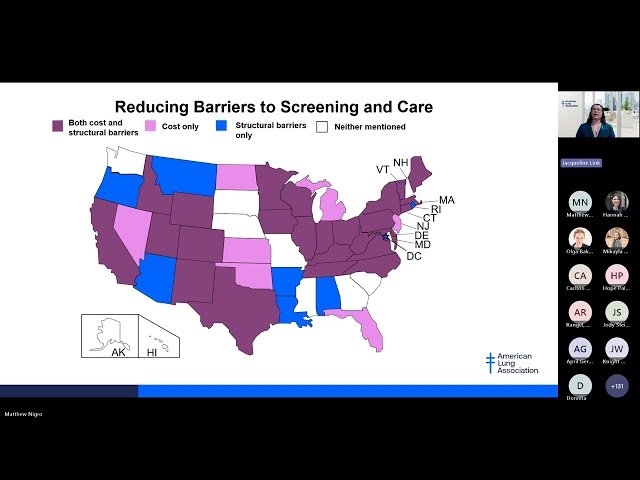
Join this 49-minute webcast from the American Lung Association that reviews how current comprehensive cancer control plans address lung cancer screening and explores approaches to improve screening rates. Learn from a guest speaker from the Cancer Prevention & Research Institute of Texas who discusses how the recently updated Texas Cancer Plan specifically addresses lung cancer screening initiatives.

Coursera
This course presents basic principles of cancer survivorship to primary-care physicians. Developed by a team of experts in caring for cancer survivors, and narrated by a primary-care physician, this course provides practical tips and tools that can be easily integrated into medical practice. You will learn about the complex physical and psychosocial needs and concerns of the growing number of cancer survivors, along with the key role that primary care physicians have in guiding these patients back to health, after cancer. Materials include story-based videos where you will meet four patients with diverse needs in their care after recovery for cancer; printable reference guides for clinical care, communication, and resources; as well as additional optional cases for extended learning. This self-paced course takes approximately 90 minutes to complete. If you are interested in taking this course for CME credit, please visit the course site at Stanford Center for Continuing Medical Education located here: https://stanford.cloud-cme.com/course/courseoverview?P=0&EID=35509
YouTube
Join this webinar from Dana-Farber Cancer Institute for an in-depth discussion on the evolving technology of liquid biopsy as a method for multi-cancer early detection. This 43-minute session, part of the Survivorship Series, explores innovative approaches to cancer screening that can detect multiple types of cancer simultaneously. Learn about cutting-edge developments in early detection methods that could transform cancer diagnosis and treatment outcomes. For more programs and resources, visit the Dana-Farber Patient and Family Resource Centers website.