

Courses
Discover thousands of courses from top institutions and platforms worldwide
Level
Course Type
Duration

YouTube
Explore the challenges in science reporting to the public in this 14-minute TEDx talk by stem cell biologist James L. Sherley, M.D., Ph.D. Examine the shortcomings in media coverage of scientific developments and their impact on a democratic society. Discover how common practices among journalists and scientists can undermine the fidelity and integrity of science reporting. Learn about potential solutions to improve science communication through enhanced education for scientists, journalists, and the general public. Gain insights from Dr. Sherley's extensive experience as a Harvard and Johns Hopkins graduate, academic researcher, and founder of stem cell biotechnology company Asymmetrex®, LLC. Understand the importance of accurate science reporting and its implications for public understanding and decision-making in today's world.

YouTube
Explore the fascinating world of amphibian biology in this engaging video featuring Tyrone Hayes, a professor of Integrative Biology at the University of California at Berkeley. Discover the development process of frogs from eggs to tadpoles to adults, and learn about the harmful effects of chemical fertilizers like atrazine on frog reproduction. Gain insights into how Hayes' research on frogs contributed to breast cancer research. Delve into topics such as environmental health, field simulations, and the concept of environmental racism. Watch as Hayes demonstrates his passion for amphibians and explains the importance of his work in understanding the impact of pesticides on both wildlife and human health.

YouTube
Learn Python programming tailored for biologists and bioinformatics beginners through a comprehensive tutorial series. Dive into essential concepts such as data types, string manipulation for DNA sequences, and sequence analysis techniques. Master indexing and slicing to extract subsequences, work with lists, and discover how to reverse genetic sequences. Explore the power of functions to reuse sequence analysis code efficiently. Gain practical skills in handling multiple GenBank files and extracting sequences from FASTA files. Equip yourself with the fundamental Python knowledge necessary for bioinformatics applications and genetic data manipulation.

YouTube
Explore the intersection of biology and Python in this engaging EuroPython Conference talk. Discover how computational biology is transforming research, with Python emerging as a popular language in biosciences due to its clean syntax and extensive modules for various biological domains. Learn about tools like Biopython, Bokeh, Networkx, and Ecopy as the speaker guides you through an adventure into natural sciences. Gain insights into how Python is improving researchers' workflows, allowing them to focus on theory and experiments rather than struggling with outdated applications. Suitable for audiences with or without a biological background, this 25-minute presentation demonstrates the strong relationship between biology and computing, showcasing how technological advances are helping predict physical interactions between atoms and DNA.

YouTube
Embark on a fascinating journey through the intersection of biology and Python programming in this EuroPython Conference talk. Discover how computational biology is transforming research, with Python emerging as a popular language in biosciences due to its clean syntax and extensive modules for various biological domains. Explore tools like Biopython, Bokeh, Networkx, and Ecopy as you delve into topics such as avocado prices, virus behavior, ant colony optimization, neural networks, and the World Happiness Report. Learn how Python is improving researchers' workflows and enabling better understanding of our environment through the integration of biological information into algorithms. Suitable for audiences with or without a biological background, this talk demonstrates the strong relationship between biology and computing, showcasing how technological advances are revolutionizing the field.

Udemy
Learn to Be More Efficient in Microsoft Excel (Part 12 of a 20-Part Excel Course Series) What you'll learn: Become MORE PRODUCTIVE in Microsoft ExcelSave minutes each dayShow off your cool new skills: impress others with 17 awesome tips, tricks, and keyboard shortcuts Most Recent Course Update: December 2015Course Description Are you a Microsoft Excel user? How well do you know the program? Can you do most actions in Excel without using your mouse? If not: Stop wasting time.Learn to save several minutes each day by slightly tweaking your workflow. Discover 17 ways to work more efficiently when Editing Cell & Cell Contents in Microsoft Excel.So…Become the go-to keyboard savant in your office.Impress your boss.Get more done each day.Use the hours you save to make more money or just have some fun!The choice is yours.Click “Take This Course" now, and become MORE PRODUCTIVE today!See you in on the other side.Cheers,Tolan Co-Founder of ProductivityMe

YouTube
Discover the groundbreaking advancements in cell programming and their potential to revolutionize medicine and technology in this enlightening talk by neurosurgeon and stem cell biologist Mark Kotter. Explore the latest breakthroughs in reprogramming cells at the genetic level, learning how scientists are gaining unprecedented control over cellular mechanisms. Delve into the collaborative efforts across biology, computer science, physics, and mathematics that are driving this biological revolution. Gain insights into the promising applications of cell programming, including extended lifespans, cures for debilitating ailments, and the birth of new technologies. Understand the importance of robust activation of cell type programs and how it challenges existing theories on cell reprogramming. Follow Dr. Kotter's journey from discovering the role of macrophages in brain regeneration to developing the opti-ox gene targeting approach. Learn about ongoing research in areas such as Alzheimer's treatment and cell therapies, and envision the future possibilities of this transformative field.
MITx Online
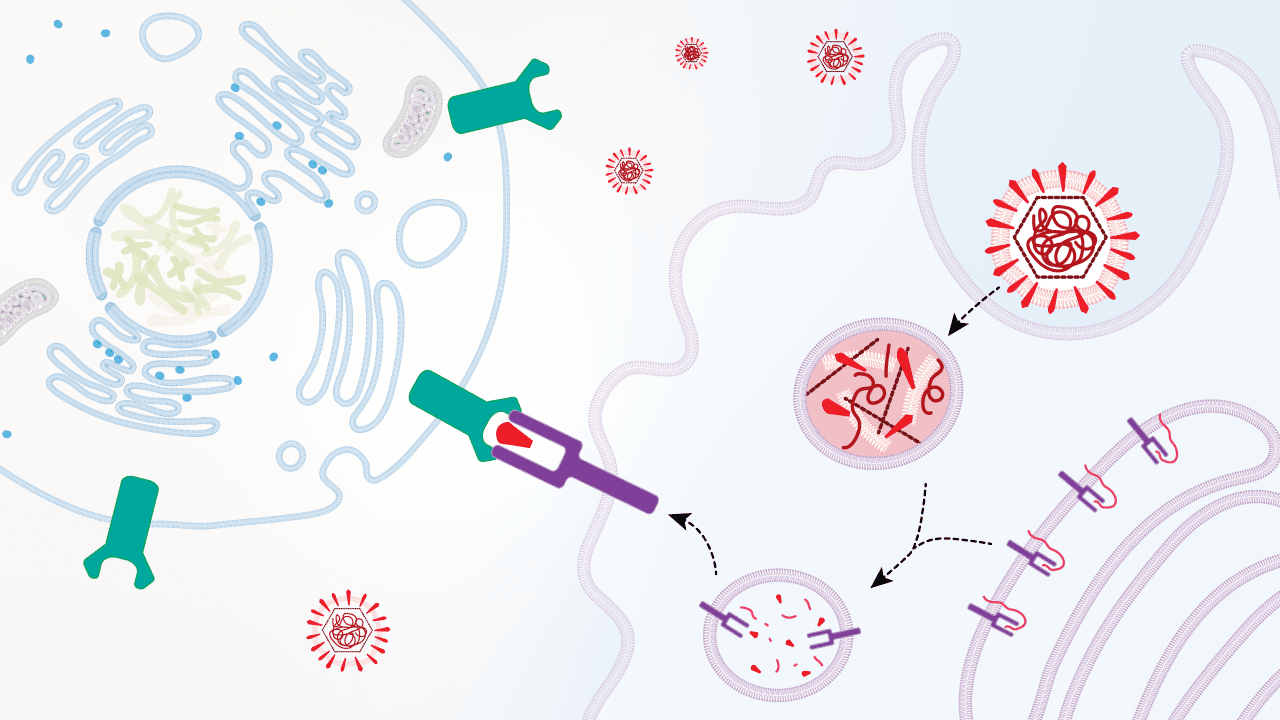
How do we know what we know about cells? Enhance your scientific thinking and data analysis skills with this in-depth adventure through cell biology.

Swayam
This course will start with Basic principles of NMR, walk through the analysis of spectra and demonstrate the application of multidimensional NMR spectroscopy in Chemistry and structural Biology. INTENDED AUDIENCE: M. Sc./ PhD and Scientists working in Pharma and Biophrma IndustriesPREREQUISITES: Under graduate level understanding of Physics and Mathematics INDUSTRY SUPPORT: Biocon, Wockhardt, Aurobindo Biopharma etc
YouTube
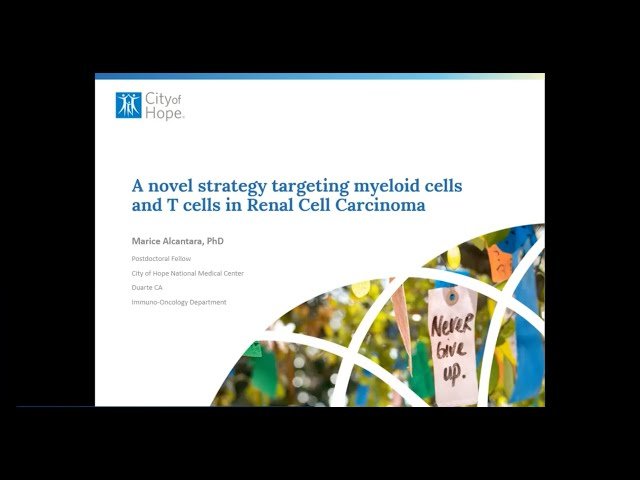
Attend this 29-minute webinar to explore groundbreaking research on overcoming immune checkpoint blockade resistance in renal cell carcinoma through dual targeting of myeloid cells and T cells. Learn about blood-based biomarker analysis that revealed elevated transcription factors in myeloid cells among non-responders to nivolumab/ipilimumab immunotherapy, suggesting that T cell-focused approaches may inadvertently activate alternative immune resistance pathways. Discover how a novel CpG-STAT3 inhibitor strategy targeting these transcription factors in myeloid cells, when combined with immune checkpoint blockade, demonstrated improved therapeutic responses in preclinical studies. Examine the potential of this oligonucleotide-based approach to disrupt tolerogenic signaling, restore immune cell activity, and enhance sensitivity to immune checkpoint inhibitors and T cell-based immunotherapies in genitourinary cancers. Gain insights into translational research methodology for developing novel therapeutic strategies that could advance from bench to bedside, presented by Dr. Marice Alcantara, a PhD researcher specializing in immuno-oncology at City of Hope National Medical Center with extensive experience in both clinical trials and preclinical drug development for kidney cancer.

YouTube
Explore the fascinating world of spatial and single-cell diversity in humans and cells through this illuminating seminar presented by Shyam Prabhakar from the Genome Institute of Singapore. Delve into how our surroundings influence cellular and human diversity as part of the Center for Human Brain Variation (CHBV) Seminar Series at the Broad Institute of MIT and Harvard. Gain valuable insights into cutting-edge neuroscience research and join a collaborative scientific community dedicated to increasing accessibility in the field. Learn about the latest advancements in understanding human brain variation and its implications for future research and applications.

YouTube
Explore the computational challenges and cutting-edge solutions in cancer genomic pipelines through this insightful conference talk. Join Samantha Langit, a high school student with a background in Cancer Biology from Stanford, and her mother Lynn Langit, a Cloud architect, as they demonstrate their collaborative work in bioinformatics. Discover how they leverage advanced cloud technologies like Docker and Lambda to push the boundaries of cancer genomic research. Through live demonstrations, gain valuable insights into the latest cloud data pipeline developments for the bioinformatics community, showcasing the powerful intersection of biology and cloud computing in the fight against cancer.

YouTube
Watch a comprehensive video tutorial on character design as illustrator Chris Blackstock creates an alien wildlife biologist using Photoshop. Follow along as Chris guides you through the entire process, from initial concept and sketching to the final design. Learn valuable techniques for designing faces, using reference materials, and studying anatomy. Explore the creation of a companion creature and the addition of gear to enhance the character. Gain insights into canvas size, DPI, and creating clean lines. Discover Chris's early art influences and hear his thoughts on social media for artists. Join host Codi Bear in this Adobe Live session to expand your character design skills and explore new creative possibilities.

FutureLearn
Improve your image analysis knowledge and ability to analyse your images The use of automatic image analysis in the biological sciences has increased significantly in recent years, especially with automated image capture and the rise of phenotyping. This online course will help improve your understanding of image analysis methods, and improve your practical skills and ability to apply the techniques to your images. You will explore the process of image acquisition, through to segmenting regions, counting objects and tracking movement. Importantly, we’ll also try to highlight what to watch out for when using different image analysis approaches. This course is designed for postgraduate and postdoctoral researchers in biological sciences. The use of automatic image analysis in the biological sciences has increased significantly in recent years, especially with automated image capture and the rise of phenotyping. This online course will help improve your understanding of image analysis methods, and improve your practical skills and ability to apply the techniques to your images. Development and delivery of this course is supported by Biotechnology and Biological Sciences Research Council Training Grant BB/P011845/1 Image Analysis for Biologists: An Online Course. The course and practicals refer to the open-source Fiji software (http://fiji.sc/). To use this you will need a computer (rather than a tablet or smartphone). Please see installation instructions at the Fiji website.
Udemy
Mastering Python for Biological Data, Automation, and Visualization What you'll learn: Set up a robust Python development environment using Anaconda Navigator and efficiently manage packages for bioinformatics applications.Master advanced numeric operations, typecasting, and string manipulation techniques through practical exercises designed to handle complex data transformations.Gain expertise in file handling, data structures, and control flow logic, applied through lots of in-class, hands-on projects.Excel in Biopython, regular expressions, data analysis, and visualization with Pandas, Seaborn, and Matplotlib in real-world bioinformatics projects.Hidden gems and unique techniques for efficient coding. Welcome to "Python for Biologists and Beginners", an engaging and practical course designed to introduce you to Python programming while focusing on its applications in biology and bioinformatics. Whether you're new to coding or looking to expand your programming skills, this course will equip you with the knowledge and tools to analyze biological data, automate tasks, and solve problems in the life sciences.Throughout this course, you’ll learn Python from the ground up, with a special emphasis on concepts and techniques that biologists can use in their research and analysis. The course is structured to build your confidence and skills progressively, allowing you to apply what you’ve learned to real-world biological datasets.Key Features:100+ Videos: Comprehensive lessons covering everything from Python basics to advanced applications in biology.Clear Explanations: Each concept is broken down and explained thoroughly, with coding exercises to reinforce your understanding.Real-world Assignments: These large assignments challenge you to apply your knowledge, with solutions provided to guide your learning.9 Quizzes: Test your progress and understanding with quizzes at key points throughout the course.1 Hands-on Activity: A practical exercise to help you apply your skills to real-world biological data.By the end of the course, you’ll be prepared to use Python for data analysis, automation, visualization, and bioinformatics, making it a perfect fit for biologists looking to enhance their computational skills.

YouTube
Join this 55-minute talk from the Broad Discovery Series x BroadIgnite event where neurobiologist Ralda Nehme and chemical biologist Shiwei Wang explore the fascinating world of brain cell communication. Learn about new laboratory techniques for investigating how brain cells share information, and discover how sugar-based messaging systems function in the brain and their significance in neurodegenerative disorders like Alzheimer's disease. The speakers discuss how breakdowns in cellular communication channels contribute to various conditions including schizophrenia. This special collaborative event connects philanthropists with early-career researchers working on high-risk, potentially high-reward projects at the Broad Institute's Stanley Center for Psychiatric Research and Infectious Disease and Microbiome Program.

YouTube
This conference talk explores the role of miRNA-mediated mechanisms in intracellular resource sharing during cell fate decisions. Presented by Priya Chakraborty at the International Centre for Theoretical Sciences as part of the "Decisions, Games, and Evolution" program, the 19-minute presentation examines how cells allocate resources internally when making developmental fate choices. Learn about the intersection of evolutionary game theory and cellular biology, specifically how microRNAs influence critical decision-making processes within cells. The talk contributes to the broader program themes exploring cooperation across biological scales, from cellular mechanisms to societal behaviors, and fits within the interdisciplinary framework bringing together biologists, cognitive scientists, economists, and physicists to understand decision-making processes at various levels of biological organization.

YouTube
Explore the diverse world of T cell subtypes in this 25-minute educational video. Delve into the characteristics and functions of Th1, Th2, Treg, and Th17 cells, as well as cytotoxic T cells and exhausted T cells. Gain a comprehensive understanding of these crucial components of the immune system, their roles in immune responses, and their significance in various biological processes. Enhance your knowledge of immunology and cell biology through clear explanations and engaging animations. Access additional resources, including notes, flashcards, daily quizzes, and practice questions, by following the provided social media links for further study and reinforcement of the concepts presented.
Independent
Welcome to Bioinformatics Bootcamp Beginner Topics: R for Biologists! This page contains all the lectures and materials needed to participate. For any questions, please contact Henry Miller (Email in Syllabus). You can also stop by the instructor office hours (in syllabus) whether or not you are enrolled synchronously. *Simon's record for XP on DataCamp is 79,160. If you are enrolled and can beat that during the workshop timeframe (by 5PM CST May 3rd, 2021), you will get a prize (to be determined...). Github Workshop Repo HERE Download the Syllabus HERE

YouTube
Learn about T cells and their crucial role in adaptive immunity through this 29-minute lecture that explores T cell development, activation mechanisms, and how these specialized immune cells orchestrate cell-mediated immune responses to protect the body against pathogens.