

Courses
Discover thousands of courses from top institutions and platforms worldwide
Level
Course Type
Duration

YouTube
Join Dr. Gladys Kalema-Zikusoka, Uganda's first wildlife veterinarian, in a captivating 58-minute presentation hosted by the Denver Museum of Nature & Science. Discover how her work with mountain gorillas revealed the intricate connections between animal, human, and environmental health. Learn about her groundbreaking approach to conservation that demonstrates how helping one aspect of this interconnected system benefits all. Engage with this internationally recognized conservationist, author, and doctor as she shares her inspiring journey and insights. Participate in a Q&A session, explore ways to contribute to conservation efforts, and gain inspiration from Dr. Kalema-Zikusoka's remarkable career and achievements in wildlife veterinary medicine and holistic conservation.

YouTube
Explore the conservation efforts for the endangered Boreal Toad in this 47-minute video from the Denver Museum of Nature & Science. Discover how the Denver Zoo's field conservation and animal care teams collaborate with Colorado Parks & Wildlife to restore this important species to its high-elevation habitat in the American West. Learn about the challenges facing this quiet yet valuable amphibian and the actions being taken to protect it. Engage with specialists as they answer students' questions directly, providing insights into wildlife conservation and how to be good neighbors to local fauna. Gain a deeper understanding of the significance of the Boreal Toad in Colorado and Wyoming's ecosystems, and find out how you can contribute to its preservation.

Swayam
Geography is the study of areal differentiation. It examines three questions - 1. What features (say mountains) and processes (such as volcanism) are found in different locations? 2. Why are they located where they are? 3. Where else on Earth do we find these specific features and processes? This governs several developmental decisions, such as location of mines, factories, towns, cities, and infrastructure. After all, mining will be economically feasible in areas that have a concentration of ores. Factories can easily be set up where we have availability of land, labour, capital and infrastructure. Towns and cities require land, infrastructure, water, etc. But at the same time, areal differentiation also governs the localisation of biodiversity - forests, wildlife, etc. - which need to be conserved to provide us with ecosystem benefits like food, water, disease control and employment. Past experience shows that if we are not careful, hasty developmental decisions harm biodiversity and conservation - especially when, say, developing mines in biodiversity-rich areas. This ultimately affects all of us - destruction of ecosystems, water flows and pollution wreck havoc to food and water security, health and economic development. The present course examines these concepts, beginning with the basics of Geography and Conservation, and looking at their interplay through several case studies to help reach conservation-oriented development.INTENDED AUDIENCE :Officers and staff of Forest departments, Students of Forestry, Wildlife conservation, Economics, Developmental Studies and allied disciplines, Policy makers, Aspirants of Civil Services ExaminationINDUSTRIES SUPPORT :Tourism industries, Education industries, Greenenergy industries, Renewable energy / materialsindustry, Construction industries

Coursera
We are presently facing a potential extinction crisis for the order Primates (and many other life forms). In this course we will learn about threats to primate conservation globally. We will be using the, “Primates in Peril: The World’s 25 Most Endangered Primates 2018-2020” by Schwitzer et al. (2019) as a basis for the discussion of global primate populations. We will investigate conservation status, threats to conservations, success and failures within protecting our closest evolutionary cousins.

YouTube
Explore the vital role of indigenous communities in conservation efforts through this enlightening 18-minute TEDx talk by Dr. Madegowda C. Discover how indigenous knowledge and practices can reshape traditional conservation approaches, as the speaker presents compelling examples of the intimate relationship between indigenous communities and forests. Learn about the importance of incorporating indigenous wisdom into conservation actions, and gain insights into participatory resource monitoring, sustainable harvesting of non-timber forest produce, and community-based conservation. Delve into the speaker's extensive experience working with indigenous tribal people and biodiversity conservation in Karnataka, India, including efforts to map culturally sacred sites, enforce the Forest Rights Act 2006, and empower indigenous communities' movements.

edX
The demand for skilled data scientists continues to surge as organizations seek to harness the power of machine learning and data-driven insights. The Data Scientist program, developed by Microsoft and delivered on edX, is designed for learners ready to take their data science skills to the cloud. Through three practical, project-based courses, you’ll explore how to set up and configure the Azure Machine Learning workspace, train models using custom scripts, and deploy models as scalable endpoints. You’ll gain proficiency with tools like Jupyter Notebooks, Python, and Azure ML SDKs—all while learning to operationalize machine learning in real business scenarios. This program is ideal for data professionals, analysts, and aspiring machine learning engineers seeking to build robust, cloud-based ML pipelines. Whether you're transitioning into a data science role or expanding your cloud skill set, this program delivers a strong foundation aligned with industry needs and Azure certification pathways.

Udacity
This advanced Nanodegree prepares you to tackle data science at scale. Work with AI best practices, build production-ready projects, and gain the confidence to lead data-driven solutions.

YouTube
Explore the cultural shift towards science-driven environmental solutions in this 18-minute Web Summit talk. Discover how changing public perceptions of scientists and investment trends are fueling climate solutions, nature-based projects, and ocean conservation efforts. Join environmental scientist Deborah Brosnan and FootPrint Coalition managing director Rachel Kropa as they discuss the new age of climate change innovation, its impact on driving action, and the emerging opportunities for businesses, nonprofits, and scientists in this modern scientific revolution.
YouTube
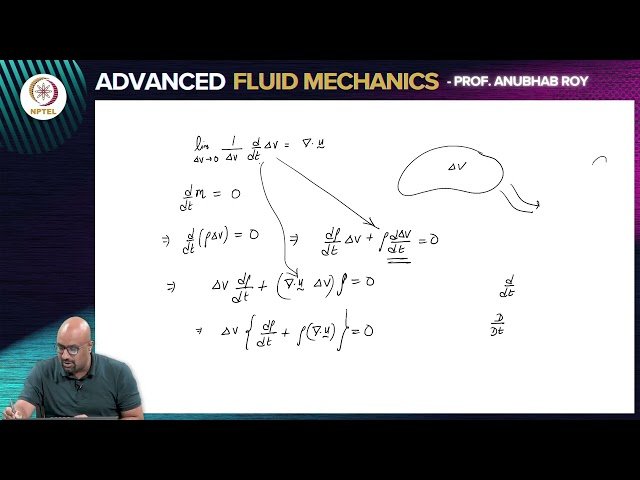
Explore the fundamental conservation laws governing fluid motion through this 54-minute lecture that focuses on mass conservation principles. Learn about the Reynolds Transport Theorem and its application to derive the continuity equation, which mathematically represents the conservation of mass in fluid systems. Examine the concept of incompressibility in fluid flows and understand its significant mathematical and physical implications for flow analysis. Discover the stream function as an essential analytical tool for representing and analyzing two-dimensional incompressible flow fields, providing you with practical methods for solving fluid mechanics problems.

edX
Biodiversity in crisis Climate change. Habitat destruction. Overexploitation. Wild animals face anthropogenic threats from the growing human population and our increasing consumption rate. Biodiversity is declining, with over 40,000 species threatened with extinction - over a quarter of the species assessed. At the same time, some species have learnt to exploit new opportunities in human-dominated landscapes, leading to human-wildlife conflicts. We live in a shared world, and the only way forward is sustainable coexistence with wildlife. For this we vitally need the animal perspective. Take the animal perspective Developed by the makers of the popular MOOC ‘Introduction to Animal Behaviour’, this course helps you take the ‘conservation behaviour’ perspective in major conservation challenges, such as environmental change, human-wildlife conflict and wildlife reintroductions. Design innovative conservation interventions We will explore key concepts from animal behaviour and apply them to practical wildlife conservation issues. Such behaviour-sensitive management has led to successful conservation interventions: A wind farm with technology warning for migrating birds decreased soaring bird mortality to zero with a shutdown period of only 0.2–1.2%. A livestock grazing strategy avoiding cheetah communication hubs reduced livestock losses with 86%. A mammal translocation program taking neighbour relations into account led to 24 times more offspring for translocated individuals. Through informative knowledge clips, case studies, interviews, and practical assignments, you’ll learn how you can use animal behaviour in conservation to effectively monitor threats, increase your understanding of the diverse responses to environmental change, and design innovative interventions. For whom? For professionals working with wildlife, this course will build understanding of how animal behaviour mediates the impact of anthropogenic threats on animal populations. It will become clear how behavioural principles can be used to make behaviour-based management decisions. Students of wildlife conservation or animal behaviour will be able to expand their knowledge into a complementary field. Learn how to integrate academic knowledge of behaviour with threatened species conservation planning. So, whether you are a wildlife conservation practitioner, a student in environmental or animal sciences, or simply someone with a general interest in animal behaviour or conservation, join us!
MasterClass
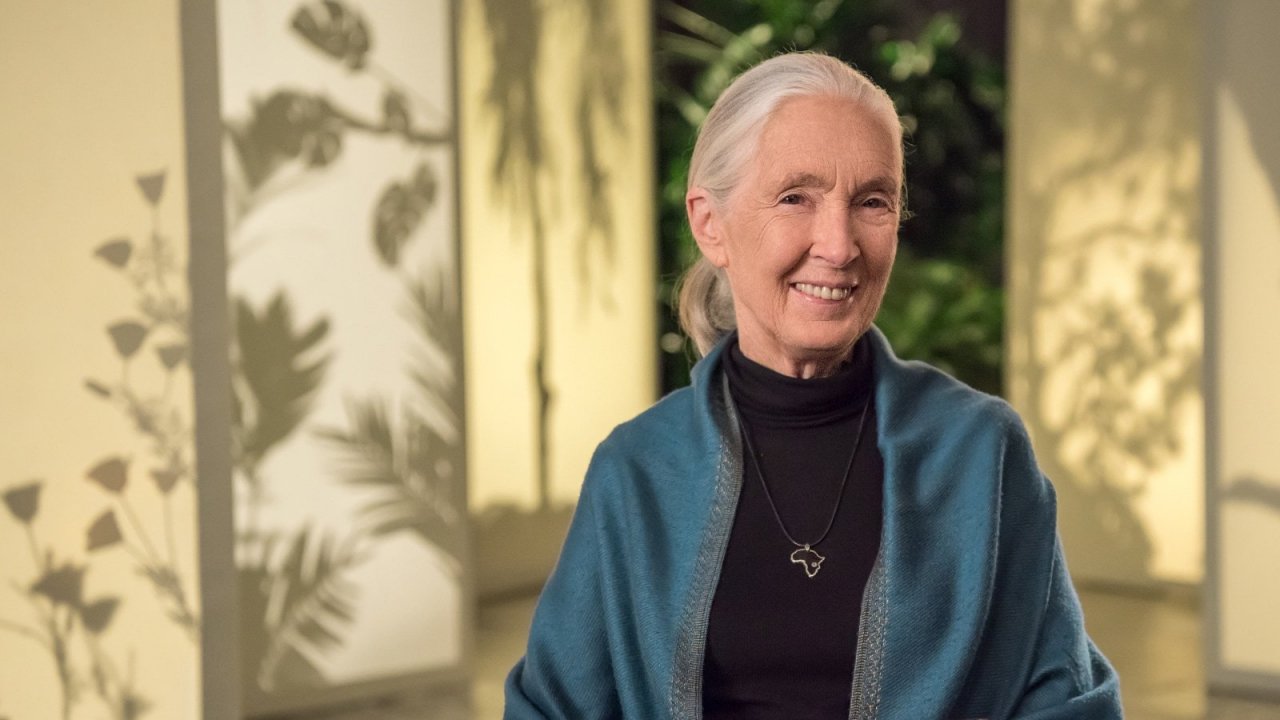
There is still a window of time. Nature can win if we give her a chance. In her first ever online class, Dr. Jane Goodall teaches how you can conserve the environment. She also shares her research on the behavioral patterns of chimpanzees and what they taught her about conservation. You'll learn how to act locally and protect the planet.

YouTube
Explore sustainable conservation strategies with M. Sanjayan and Harrison Ford from Conservation International in this 54-minute Stanford seminar. Delve into topics such as innovative solutions, metrics for success, and creating a global movement for environmental protection. Examine the concept of environmental crisis, diverse motivations for conservation, and the importance of cultural sensitivity in conservation efforts. Learn about successful conservation models like Costa Rica's approach, and discuss the role of partnerships and addressing externalities in achieving sustainable conservation goals.

Coursera
Chimpanzees are one of our closest living relatives, yet almost nothing was known about their behavior in the wild until Jane Goodall started her groundbreaking study of the chimpanzees of Gombe, Tanzania in 1960. This study continues today, following the same chimpanzee families that Jane Goodall first encountered over 55 years ago. Guided by three course instructors who have lived and worked with the Gombe chimpanzees, you will learn how Goodall’s early discoveries changed our view of human uniqueness. By completing the course, you will gain a new appreciation of the deep similarities between chimpanzees and humans in intelligence, tool use, hunting, personality and social relationships, as well as some key differences. You will learn how chimpanzees interact with their environment and how their behavior is influenced by ecology, as well as the severe conservation challenges they face today. And you will employ your new knowledge of chimpanzees to construct a persuasive argument for their protection. This course is open to everyone interested in learning more about these fascinating and complex beings. Knowledge of high-school level biology is beneficial but not required. Please keep in mind, however, that the content of this course will cover all aspects of chimpanzee life, including scientific discussion of sexual and aggressive behaviors.

FutureLearn
Do you worry about the effects of climate change on nature? On this course, you’ll learn you how the work of conservation biologists and study of ecosystems can help with conserving the world’s biodiversity. You’ll explore the impact of wind farms on populations of seabirds, and understand how the use of advanced techniques can be used to study different populations. In Week 2, you’ll learn about ecosystems and how they’re influenced by human activity. You’ll use case studies to explore the reasons behind the bee decline across the world, and examine fish species in tropical seas to see at first-hand how climate change damages coral reefs. This course has been ranked as one of the best online courses of all time by online course aggregator class central. This course is designed for anyone with an interest in ecology and wildlife. It will be particularly useful for students at high school who want to study conservation biology, zoology, or biology at university level. The course is part of the Going to University collection and completing it can help improve your university application by broadening your understanding of wildlife conservation and developing your independent learning skills. The course can also be used as a teachers’ classroom enrichment resource.

Coursera
This course provides a comprehensive introduction to wetland management, exploring key practices in conservation and restoration. Students will learn the differences between wetland conservation and restoration, and the goals wetland managers typically set for each. The course emphasizes the importance of adaptive management and ecosystem management, contrasting these approaches with traditional wetland management strategies. Students will also gain insight into the constraints that can impact management efforts. In addition, the course covers the components of an effective wetland monitoring plan, the various evaluation techniques used, and the tools employed to track wetland health. Finally, students will explore best practices for wetland restoration, focusing on site-specific techniques and the management of both native and invasive vegetation in restoration projects. This course is part of the College of ACES suite of online programs. To learn more about online programs from the College of ACES and explore ways to apply your Coursera work toward a degree program at the University of Illinois, visit acesonline.illinois.edu.
Coursera
This specialization provides a comprehensive exploration of wetland science, covering ecological principles, human impacts, regulatory frameworks, and conservation strategies. Learners will develop skills in wetland delineation, mitigation, and policy analysis while examining case studies and real-world applications. With insights from industry partners, this program prepares professionals to navigate wetland management challenges and implement sustainable solutions.

LinkedIn Learning
Whether you're working in IT or simply have an interest in entering the exciting field, this learning path will support you in developing a career in data science. Learn about the fundamental stages of data science work, from Statistics and Systems Engineering to Data Mining and Machine Learning.Build a solid foundational understanding of statistics, which is necessary for any data science-related field.Discover the many categories of job specialization within Data Science.Learn how to source, explore, and communicate with data through graphs and statistics.

DataCamp
## Become a Certified Data Scientist in Python Master the essential skills you need to excel as a data scientist and earn the prestigious Data Scientist in Python certification. This comprehensive Track covers the full spectrum of data science using Python, from data manipulation and visualization to advanced machine learning techniques. Through hands-on exercises and real-world projects, you'll gain the practical experience and knowledge to tackle complex data challenges and drive business impact. ## Build a Robust Data Science Toolbox Explore the Python data science ecosystem in-depth as you learn to: * Manipulate and analyze data using pandas, NumPy, and SciPy * Create compelling visualizations with Matplotlib and Seaborn * Develop and evaluate machine learning models using scikit-learn * Preprocess and feature engineer data for optimal model performance * Work with relational databases using SQL * Manage your data science projects with Git version control ## Solve Real-World Data Science Problems Apply your skills to realistic scenarios that mirror the work of professional data scientists. From exploratory data analysis to predictive modeling, you'll learn to extract valuable insights from complex datasets. Discover how to select the right machine learning algorithms, tune hyperparameters, and interpret results to make data-driven decisions. By working with diverse datasets across industries, you'll develop the versatility to thrive in any data science role. ## Prepare for the Data Scientist in Python Certification This Track is designed to fully prepare you for the Data Scientist in Python certification exam. As you progress through the courses, you'll steadily build the knowledge and practical skills needed to pass the certification with confidence. The interactive exercises and projects provide ample opportunity to test your understanding and get hands-on with the tools and techniques covered in the certification. ## Advance Your Data Science Career Earning the Data Scientist in Python certification validates your expertise to employers and opens doors to exciting career opportunities. Companies across industries are seeking skilled data scientists who can leverage the power of Python to solve complex problems and drive innovation. By completing this Track and obtaining the certification, you'll demonstrate your ability to: * Perform end-to-end data science projects in Python * Select and apply appropriate machine learning algorithms * Communicate data insights effectively to technical and non-technical audiences * Collaborate with cross-functional teams on data-driven initiatives Whether you're looking to break into data science, advance your current role, or expand your skill set, this Track provides the comprehensive training and industry-recognized certification to help you achieve your goals.

YouTube
Discover how Netflix applies experimental thinking to design through A/B testing in this 17-minute conference talk by Navin Iyengar, Product Designer at Netflix. Learn to design like a scientist as Iyengar shares insights from the Awwwards Conference in San Francisco. Explore user testing techniques, the importance of A/B testing in UX design, and gain valuable knowledge about applying scientific methods to digital design. Enhance your understanding of data-driven design practices and their impact on creating successful digital products for platforms like Netflix.

LinkedIn Learning
Whether you're working in IT or simply have an interest in entering the exciting field, this learning path will support you in developing a career in data science. Learn about the fundamental stages of data science work, from Statistics and Systems Engineering to Data Mining and Machine Learning.Build a solid foundational understanding of statistics, which is necessary for any data science-related field.Discover the many categories of job specialization within Data Science.Learn how to source, explore, and communicate with data through graphs and statistics.