

Courses
Discover thousands of courses from top institutions and platforms worldwide
Level
Course Type
Duration

Coursera
The lending industry is undergoing a rapid transformation, with Generative AI (GenAI) at the forefront of innovation. This course, designed specifically for loan officers and lending professionals, provides a hands-on, practical roadmap for integrating GenAI tools across the entire lending workflow—from the first customer interaction to final loan approval and ongoing client management. You’ll learn how to use AI-powered solutions to streamline application intake, automate customer communication, enhance credit risk assessment, review documents for compliance, and optimize workflow automation. The course is structured around real-world scenarios and uses only trial-accessible, user-friendly tools, ensuring that you can immediately apply what you learn without needing a technical or programming background. Through a blend of short instructional videos, interactive labs, and real-world case studies, you’ll gain the confidence to leverage GenAI for faster, more accurate, and fairer lending decisions. You’ll see how AI chatbots and virtual assistants can improve customer experience, how AI-driven credit scoring models can enhance risk assessment, and how document review and compliance can be automated for greater efficiency. The course also addresses the importance of ethical AI use, bias detection, and maintaining regulatory compliance, ensuring that your adoption of GenAI is both responsible and effective. This course is tailored for professionals across the lending and credit evaluation spectrum, including loan officers, underwriters, credit risk analysts, and operations teams focused on process efficiency. It is also ideal for innovation and digital transformation teams within financial services institutions who are exploring practical applications of AI to enhance the lending lifecycle. Whether working at banks, credit unions, fintech startups, or non-bank lenders, participants will benefit from actionable insights into deploying GenAI in real-world lending environments. Learners should have a foundational understanding of loan origination processes, credit analysis methods, and basic credit scoring models. Familiarity with everyday digital tools such as Excel, web applications, and CRM platforms is expected. Additionally, learners should possess basic GenAI literacy, such as experience using tools like ChatGPT, Microsoft Copilot, or similar AI assistants, to effectively engage with course content and hands-on labs. By the end of this course, learners will be able to apply Generative AI tools to streamline loan application intake and enhance customer communication workflows. They will learn how to leverage AI-driven models to support more accurate credit scoring and risk assessments. The course also equips participants to automate and optimize key steps in the lending process while upholding ethical standards, reducing bias, and ensuring regulatory compliance through human-in-the-loop strategies.

Swayam
This course is meant for capacity building of school teachers to provide them necessary knowledge, skills and competencies for playing the role of the ‘Teacher Counselor’ in schools. The course is developed in Assamese language which will greatly motivate the school teachers of Assam to participate in the course with confidence and language of their comfort. In this way, the course may prove to be instrumental to fill the gap of professional counselors in government schools by producing ‘Teacher Counsellor’ through this course. The online course includes Twelve Modules with two/three units under each module. A total of thirty-four units. Pedagogy: Learning material will be in the form of e-text, PPTs, Audio-Video Lectures, tutorials. Discussion Forum, 10 MCQs as Self-Assessment Questions per Module.

edX
Taught by an instructor with decades of experience in lending and credit asset management, this Professional Certificate program equips analysts with the skills they need to advance in the credit risk management field. Find out if you are destined for a career in credit risk analysis with our introductory pricing. Take the first step to a Professional Certificate from the New York Institute of Finance for only $149. Access the first module from Course 1 for free and get introduced to risk management and credit principles. If you decide to advance through the subsequent courses the price will gradually increase by small increments leading you to the final mastery exam and a full Certificate. The total cost for the Professional Certificate is $1,549. Our introductory pricing allows students a low-risk, low-cost way to consider whether Credit Risk is the right career path before deciding to progress. In this professional certificate program, you will gain a solid grounding in credit risk fundamentals with the tools and techniques required to perform a credit analysis utilizing analytical tools to project future performance. This professional certificate is comprised of 4 courses and a final examination: Risk Management and Credit Principles Ratio Analysis Cash Flow Analysis Projections and Structuring Companies use debt for many purposes, including funding for fixed assets, working capital, growth, and investments. The purpose of this professional certificate is to analyze corporate borrowers across broad industry groups to determine whether they are creditworthy and financially stable. In doing so, you’ll gain a deep understanding of the importance of stable and consistent cash flows. To drive concepts home, you will learn how to prepare financial projections and make recommendations about possible financing structures based on financial condition, performance and projections. You will also learn how to structure new debt facilities or funding arrangements based on assessment of risks, projections and outlook. The final course in the program will be the Professional Certification Exam. Those participants who pass the examination will receive a Credit and Credit Risk Analysis Professional Certificate from the New York Institute of Finance (NYIF). An NYIF certificate is a valuable addition to your credentials, proving that you have acquired the work-ready skills that employers value. Free Preview! Access the first module from Course 1 for free. For full course access, upgrade to a verified certificate. NOTE: Completing all 4 parts and then taking the Professional Certificate Examination is MANDATORY to achieve both the NYIF Certificate of Mastery and the edX Professional Certificate in Credit and Credit Risk Analysis. A verified learner must pass all courses in the program with a minimum grade of 70% to earn a Professional Certificate for Credit and Credit Risk Analysis. CPE Credits: 35
Corporate Finance Institute
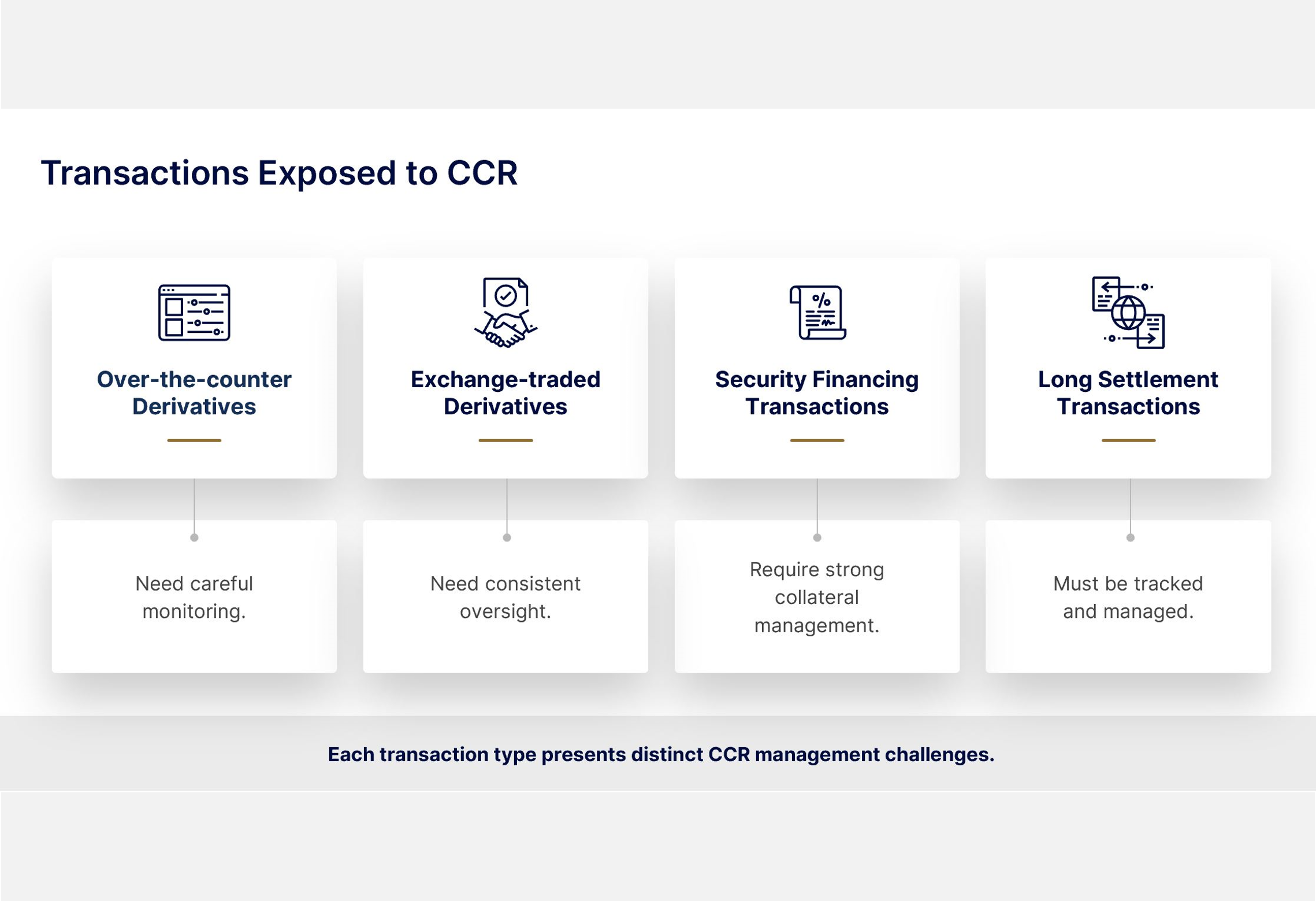
Credit and Counterparty Credit Risk Overview“Credit and Counterparty Credit Risk” is designed to provide financial professionals with the expertise needed to effectively assess and manage credit risk within financial institutions. The course covers both borrower and counterparty credit risk, providing a comprehensive understanding of how to measure potential losses.Learners will gain hands-on experience through Excel-based exercises, where they will calculate Expected Loss (EL) using Probability of Default (PD), Loss Given Default (LGD), and Exposure at Default (EAD). The course also covers essential counterparty credit risk metrics such as Expected Future Exposure (EFE), Expected Exposure (EE), and Potential Future Exposure (PFE), with practical demonstrations to enhance understanding. By the end of the course, participants will be able to confidently apply these techniques to measure credit risk across various financial transactions.Credit and Counterparty Credit Risk Learning ObjectivesCompare and contrast borrower credit risk and counterparty credit riskMeasure borrower credit risk by calculating Expected Loss (EL) using Probability of Default (PD), Loss Given Default (LGD), and Exposure at Default (EAD)Calculate the common counterparty credit risk metrics, namely Expected Future Exposure (EFE), Expected Exposure (EE), and Potential Future Exposure (PFE)List the various risk mitigation techniques for managing both borrower and counterparty credit riskWho Should Take This Course?This course is ideal for financial professionals, risk managers, analysts, and banking professionals who are involved in credit risk assessment, risk management, or financial market transactions. It is also highly beneficial for those looking to deepen their understanding of credit and counterparty risk management techniques, and for individuals preparing for roles that require expertise in assessing and mitigating credit risks within financial institutions.Recommended PrerequisitesMath for Finance ProfessionalsIntroduction to Risk Management5 C’s of CreditDerivatives Fundamentals

Study.com
This TExES 252 course is designed for aspiring school counselors in Texas. If you're preparing for the TExES School Counselor (252) exam, take advantage of this study resource, which includes video lessons and quizzes designed to help you pass.

Study.com
It is important that school counselors understand student services, educational planning and transitions, factors influencing student outcomes, and other significant concepts. Use this Praxis 5422 Course to assess your understanding of these topics as you prepare for the Praxis School Counselor Exam.

Study.com
This self-paced TExES 152 course will fully prepare you for the TExES School Counselor exam. The course uses engaging video lessons and provides quizzes and practice tests to assess your knowledge of the topics covered by the exam.

Udemy
Learn everything you need to know about how your credit score works and how to improve it! What you'll learn: A complete understanding of the credit score calculationKnowing who calculates your credit scoreDifferent ways to boost your credit scoreHow to build or rebuild creditHow your credit score can save you thousands of dollarsHow to make your credit score work for you Do you know how your credit score actually works? Did you know that a bad credit score can cost you thousands of dollars? Neither do most people, until they find out the hard way… Information on credit scores isn’t widely taught, even though it’s one of the most important parts of personal finance. And you probably know your credit score is something you should know about, but you’ve just never set aside the time to look into it. Well it’s time to take action. Presenting Credit Score 101: How Personal Credit Works A 1 HOUR COURSE that completely covers all the ins and outs of credit scores. I’m Huntly Mayo- my credit score is over 800 (in the best range possible), and I’m a personal finance blogger and lifestyle entrepreneur. One of my areas of expertise is credit scores, and I’ve put together this quick course to bring you up to speed on everything you need to know on the subject. What you’ll learn in this short but comprehensive class: ·How your credit score is calculated, and by who ·Proven Strategies to boost your credit score! ·How to check your credit score online, completely free ·How to potentially make your credit score work for you ·How to monitor your credit activity, completely free Sign up now to take control of your credit score, and avoid potentially having it cost you thousands of dollars down the line.

Study.com
This Praxis 5421 course will help you prepare for the Praxis Professional School Counselor exam. With these lessons, you can review things you must know for the exam, including important counseling strategies and the issues school counselors face.

Udemy
American Opportunity Tax Credit, Lifetime Learning Tax Credit, Student Loan Interest Deduction, (ESA), (QTP) What you'll learn: List Education Tax Credits and Education Tax BenefitsDescribe the American Opportunity Tax CreditExplain the Amount of Tax Benefit for the American Opportunity Tax CreditComplete Tax Documentation Related to the American Opportunity Tax CreditDescribe the Lifetime Learning Tax CreditExplain the Amount of Tax Benefit for the Lifetime Learning Tax CreditComplete Tax Documentation Related to the Lifetime Learning Tax CreditDescribe Tax Benefits For Student Loan Interest DeductionComplete Tax Documentation Related to the Student Loan Interest DeductionDescribe Tax Benefits For Coverdell Education Savings Account (ESA)Complete Tax Documentation Related to the Coverdell Education Savings Account (ESA)Describe Tax Benefits For Qualified Tuition Program (QTP)Complete Tax Documentation Related to the Qualified Tuition Program (QTP) This education tax credits & education tax benefits course will discuss tax benefits related to education, focusing on education tax credits including the American Opportunity Tax Credit and the Lifetime Learning tax credit.The course will describe the benefits of the American Opportunity Tax Credit, giving practical examples using actual tax forms. As we learn the concepts of the American Opportunity tax credit, we will run examples and scenarios using tax software and tax forms to get a feel of how the credit reacts to different tax circumstances.We will describe the benefits of the Lifetime Learning Tax Credit, giving practical examples using actual tax forms. As we learn the concepts of the Lifetime Learning tax credit, we will run examples and scenarios using tax software and tax forms to get a feel of how the credit reacts to different tax circumstances.The course will discuss how the American Opportunity tax credit and Lifetime Learning tax credit interact with each other and how to maximize tax benefits.We will discuss the deduction for student loan interest, describing circumstances where student loan interest is deductible, and giving practical examples using tax forms.The course will discuss the tax benefits of a Coverdell Education Savings Accounts (ESA). We will consider how a Coverdell Education Savings Accounting (ESA) is set up, the tax benefits, and tax consequences of distributions. The course will also discuss how the Coverdell Education Saving Account (ESA) works or coordinates with education credits like the American Opportunity tax credit and Lifetime Learning tax credit.We will discuss the tax benefits of a Qualified Tuition Program (QTP). We will discuss how a Qualified Tuition Program (QTP) is set up, the tax benefits, and tax consequences of distributions. The course will also explain how the Qualified Tuition Program (QTP) works or coordinates with education credits like the American Opportunity credit and Lifetime Learning credit.

Study.com
Use this handy Guide to Becoming a Career Counselor course to supplement your classroom materials or catch up on missed work. Our informative video and text lessons present the material in an easy-to-follow way so you can get a better grade.

Udemy
Learn How to Lower your bills and Raise Your FICO score What you'll learn: How to reestablish credit after a bankruptcy. •Understanding your credit reportsYour rights and the laws that govern credit reportsHow to maximize your credit score • We live in a time in which credit scoring, specifically FICO scoring, means everything.Your score determines when and if you can purchase a home, when and if you can obtain a credit card and at what interest rate, where you rent or where you live, how much your transportation will cost you, what type of employment you have and how much you pay for insurance.It is virtually impossible not to have your credit score affect you. You would literally have to be living off the grid for credit scoring to not affect you. Not many people can live off the grid.My point with this course is for everyone to be well informed about credit and credit scoring, especially the FICO method. As you will see, the truth will probably open most of your eyes.Even if you have great credit and a great credit score, you will benefit, sometimes immensely. Just by applying some of my principles, you could see your credit score go up significantly.

Study.com
Explore informative lessons, mini quizzes and other study resources available in this course as you study for the NES School Counselor exam (which has replaced the ORELA School Counselor exam). Get reacquainted with human development topics, career counseling tools and more to enhance your preparations and improve your ability to pass the test.
![[Accredited] Dialectical Behavioral Therapy (DBT) Counselor course thumbnail](https://d3f1iyfxxz8i1e.cloudfront.net/courses/course_image/7c575e6d4a0a.jpg)
Udemy
Learn DBT Therapy in depth with ready to use intervention templates, and start your counseling practice within weeks! What you'll learn: How to get started as a DBT Counselling ProfessionalHow to plan & conduct counseling sessionProvide effective DBT coping methods to your clientsAll 4 Modules of DBT covered in this trainingIn depth training of DBT Emotion Regulation SkillsIn depth training of DBT Distraction TechniquesIn depth training of DBT Self Soothing SkillsIn depth training of DBT Relaxation ExercisesIn depth training of DBT Mindfulness ExercisesIn depth training of DBT Interpersonal Effectiveness SkillsGet Dialectical Behavioral Therapy Counselling Intervention Worksheets Become a Dialectical Behavioral Therapy Counselling Professional and Set Up Your Private Practice in Just a Few WeeksLearn DBT in depth, start conducting sessions with ready to use templates, and set up counseling practice within weeks!An in-depth, easy-to-understand course on Dialectical Behavioral Therapy (DBT) that not only trains you to master DBT’s core concepts but also helps you confidently start your own counseling sessions using proven templates, client worksheets, and ready-to-use techniques.Here’s what it will do for you:You’ll gain mastery over the four core modules of DBT: MindfulnessDistress ToleranceEmotion RegulationInterpersonal EffectivenessYou’ll receive printable client worksheets, editable under your own brandYou’ll be able to start conducting DBT-based sessions and charging fees confidentlyYou’ll be equipped to help clients struggling with anger, anxiety, emotional instability, impulsivity, and moreYou’ll be able to use DBT techniques in your existing counseling practice to handle conditions like borderline personality disorder, PTSD, depression, and bipolar disorderThis course gives you 14 hours of on-demand video training, simplified theory breakdowns, real-life counseling scenarios, and hands-on exercises. You’ll learn exactly how to apply DBT techniques in sessions, structure your counseling packages, and provide measurable results to clients.You’ll also receive printable tools and worksheets designed around the original Marsha Linehan DBT manual—fully adaptable to your brand.Click the “Enroll Now” button and join the thousands of counselors who are mastering DBT and starting their own practices. Once enrolled, you’ll get instant lifetime access to the full course and materials.Because the demand for DBT-trained counselors is rising rapidly—especially for those who offer emotion regulation and interpersonal therapy support. Starting now puts you ahead of others and allows you to launch your practice in weeks, not months.This course is backed by science, practice, and results. And you get lifetime access, updates, and resources at no extra cost. There’s no risk—only powerful tools to transform your career and the lives of your clients. You also get a 30 days money back guarantee if you do not like the course. Bonuses You’ll Get Free When You Join Today:Weekly Exclusive Paid Newsletters – strategies, tools, and advanced case insights delivered to your inboxClient-ready worksheets (editable, brandable)Lifetime access and updatesBonus tips on setting up your online/private practice and client acquisition To Recap:Learn DBT in-depth with 11 hours of step-by-step trainingMaster all 4 DBT modules with real-life applicationGet brandable, printable client worksheetsLaunch your own counseling practiceReceive exclusive newsletters and lifetime accessJoin today and become a Certified DBT Counselor ready to transform lives and grow your private practice!

Study.com
This Precalculus credit recovery course may be able to provide a way to earn credit for students who have failed their course. Short, engaging video lessons are paired with practice quizzes to test and reinforce the precalculus concepts you've just reviewed.

Coursera
Credit plays an important role in the lives of many individuals; it’s also a key source of funding for businesses making capital expenditures (CAPEX). In this course, we discuss important lending topics like the difference between traditional loans and trade credit, different types of interest, different types of loans, where collateral security fits in, and how to build an amortization schedule for reducing term debt. We cover an overview of the 5 Cs of Credit framework and how it may influence different loan characteristics before diving into some qualitative assessment tools and a list of the key financial ratios that an analyst would look at when evaluating a company’s creditworthiness. We also take a step back to look at the credit landscape to help learners understand what kinds of career opportunities exist for aspiring credit professionals. Upon completing this course, you will be able to: • Define what credit is and how it’s created. • Identify some of the different career opportunities available to credit professionals. • Compare different types of interest payments and loan characteristics to help inform an appropriate credit structure. • Explain what capital expenditure (or CAPEX) is and how debt financing can support it. • Explain the 5 Cs of Credit framework and how it informs risk assessments. • Identify the important qualitative and quantitative techniques, including key financial ratios used in the risk assessment process. This Fundamentals of Credit course is perfect for any aspiring or early-stage credit professionals, including business and commercial bankers, credit analysts, real estate lenders, equipment finance, loan & mortgage brokers, and other private (non-bank) lenders.

Study.com
This Chemistry credit recovery course may be able to provide a way to earn credit for students who have failed their course. Short, engaging video lessons are paired with practice quizzes to test and reinforce the chemistry concepts you've just reviewed.

Study.com
This Physics credit recovery course may be able to provide a way to earn credit for students who have failed their course. Short, engaging video lessons are paired with practice quizzes to test and reinforce the physics concepts you've just reviewed.

Study.com
This Biology credit recovery course may be able to provide a way to earn credit for students who have failed their course. Short, engaging video lessons are paired with practice quizzes to test and reinforce the biology concepts you've just reviewed.
Corporate Finance Institute
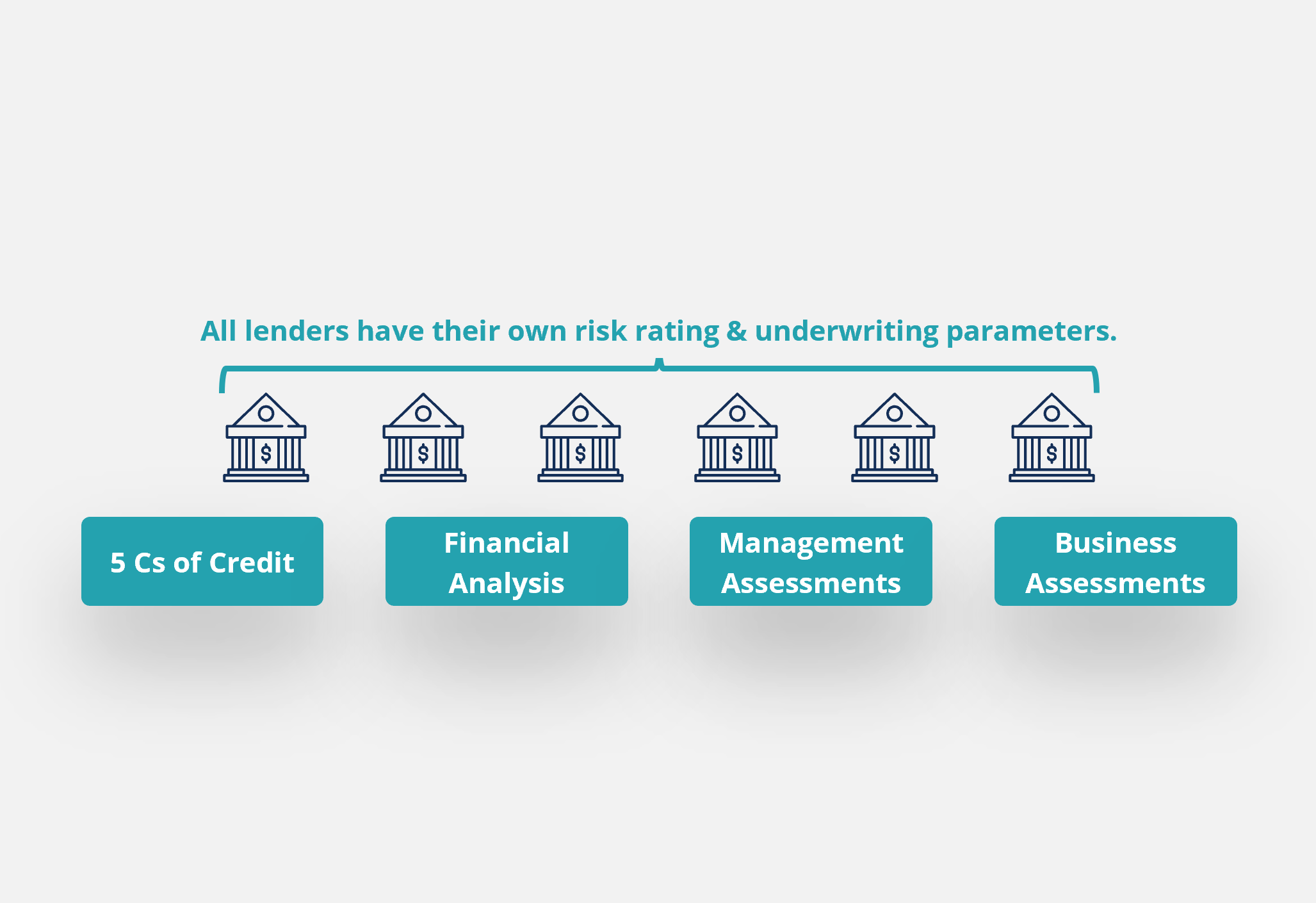
Loan Pricing Course Overview This Loan Pricing course looks at the fundamentals and factors banks consider when pricing a loan. We will examine how interest rates, loan structures, and different characteristics of a loan can affect the loan’s pricing. This Loan Pricing course will also explore how a bank earns revenue and what affects its profitability. This course will include an interactive case study that shows you a practical demonstration using a risk rating and profitability model in Excel. We will also cover different levers that a credit analyst can use during client negotiations and how they can affect the pricing and profitability of a loan. Loan Pricing Learning Objectives Upon completing this course, you will be able to: Explain debt as a funding source, its pros, and its consIdentify loan types and their relative degree of profitabilityDefine risk-adjusted return, and risk-adjusted return on capitalCalculate and interpret an example risk ratingRecommend pricing structures based on risk rating and loan type Who should take this course? This Loan Pricing course is designed for current and aspiring Commercial Banking and lending professionals, including Relationship Managers, Credit Analysts, and Risk Management professionals seeking a more comprehensive understanding of loan pricing and profitability. This course provides a real-world perspective and a hands-on case study outlining how a financial institution would evaluate a client’s default risk and how they might structure borrowing accordingly to optimize risk-adjusted return on capital. The practical exercises, case study, and tools explored in this course will be useful for any credit professional or financial analyst that wishes to work in private lending, business banking, commercial banking, or corporate banking.