

Courses
Discover thousands of courses from top institutions and platforms worldwide
Level
Course Type
Duration

YouTube
Explore the possibilities of human identification through dental remains in the absence of dental records in this 25-minute video presentation by Dr. Khalid Khalid from Forensic 365. Delve into the challenges faced by forensic dentists and odontologists when examining mortal remains from mass graves, addressing the common misconception that dental identification is futile without existing records. Learn about innovative approaches to dental identification in cases involving missing persons, human trafficking victims, and decomposed bodies. Gain insights into the importance of dental evidence in forensic investigations and discover new initiatives aimed at overcoming the limitations posed by the lack of dental records.

FutureLearn
Discover the core principles of dental radiography and X-ray exposure Led by experts from the UK Health Security Agency (UKHSA)’s Dental X-ray Protection Service (DXPS), this course will improve your understanding of the requirements for radiation protection in dental practice and provide you with the skills to take on the role of Radiation Protection Supervisor in your dental practice. Develop your professional knowledge around the risks of X-radiation This CPD course will equip you with the information and skills to ensure that dental radiography is carried out in a safe manner and that the requirements of key radiation protection legislation are complied with. You’ll explore the potential hazards of dental X-radiation and the importance of restricting staff and patient radiation exposure as far as practicable. Learn about UK dental radiation protection legislation and guidance You’ll also familiarise yourself with relevant radiation protection guidance and legislation, including the Ionising Radiations Regulations 2017, the Ionising Radiation (Medical Exposure) Regulations 2017, as well as the UK guidance for users of dental X-ray equipment. By the end of the course, you’ll be able to apply the basic principles of practical radiation protection in a dental practice and be ready to act as Radiation Protection Supervisor in your dental practice. Does this course count as core CPD for dentists? Yes, this course provides five hours of continuous professional development (CPD) training. Current UK legislation and guidance recommend that certain staff at dental practices to undertake five hours verifiable CPD in radiography or radiation protection, every five years. This CPD training course is designed for dental professionals who are involved in work with dental X-ray equipment. This includes dentists, hygienists, therapists, dental nurses and practice managers. Others working in the dental or general healthcare sectors may also find the course interesting, but will not have the same professional requirement to undertake verifiable CPD.

YouTube
Explore the intricacies of dental and oral health through a comprehensive 30-minute animated tutorial covering key topics such as temporomandibular joint (TMJ) anatomy, disc displacement, myofascial pain syndrome, snoring, obstructive sleep apnea, corrective jaw surgery, and the mechanism of swallowing in children. Gain valuable insights into these crucial aspects of oral health through detailed animations that bring complex concepts to life, enhancing understanding and knowledge in the field of dentistry and oral care.
IBM Training
This introductory course on watsonx Assistant is designed for anyone interested in exploring the latest advancements in Generative AI and how they can enhance customer and employee experiences through the creation of AI assistants.

YouTube
Explore dental jurisprudence in India through this informative 36-minute video lecture by Dr. Hemlata Pandey, a forensic odontologist. Gain insights into the legal admissibility of dental evidence in various Indian scenarios and understand key facts and statements from Indian law relevant to forensic professionals, particularly odontologists. Learn about dental records, examination in custody, consent procedures, confidentiality, and evidence handling. Discover the types of consent, legal limits for preserving medical records, and receive valuable recommendations for forensic odontology practice in the Indian criminal justice system.

Coursera
The mouth is the window into human health. This course provides an overview of dental medicine to engage, educate, excite and assist you in improving the oral health of your patients and members of your community. We will review topics in dental medicine including scope of the field, what to expect in function, and some of the many ways that dysfunction may present for different patients. This will include discussions of mouth, jaw, and tooth anatomy, pathology, and treatment. We will talk about differences between patients and the unique roles that different members of the dental field may play in treatment depending on the patient and condition. This course starts from basic concepts and proceeds to review trends in current research and technology. We offer scientific background, some skills for patient evaluation and interview, and some suggestions for further learning for those interested in or involved in dental education.

XuetangX
Dental Anatomy and Physiology mainly studies the normal morphological structures, functional activities and clinical applications of the oral cavity, skull, face and neck. The main contents of this course include the levels and organ forms of the mouth, skull, face and neck; their structural features and adjacent relations; the morphology and physiological functions of teeth, occlusion, jaw, temporomandibular joint and masticatory muscles. As an important foundation course in stomatology, it is an essential prerequisite for other stomatological foundation and clinical courses. Course objectives1. Knowledge objective: After acquiring the theoretical knowledge of teeth, dentition, occlusion, masticatory muscles, anatomy and structure of temporomandibular joint and physiological function of the stomatognathic system, learners can describe the features of external and internal shape of each tooth; gain a deep understanding of the anatomical shape and structure of dentition, occlusion, masticatory muscle, temporomandibular joint as well as the physiological functions of the stomatognathic system. Learners will also be able to carve and make wax teeth mold after learning the basic skills of tooth carving and waxing-up.2. Skill objectives: With the theoretical knowledge of tooth morphology, learners can draw the 2D images of all the 5 surfaces of every tooth, and can carve and pile up the 3D teeth based on the morphological features of the 2D image; using the anatomical and morphological knowledge in dentition, occlusion, jaw, masticatory muscles and temporomandibular joint as well as the physiological knowledge of stomatognathic system, learners are able to analyze the dentition and occlusal characteristics of different individuals (start from analyzing their own), and understand the role of various oral components and maxillofacial system.3. Psychological objectives: Prepare learners to face the fact that the training of "basic skills" is boring, and to accept the imperfections of their own work in carving and shaping teeth at the beginning; cultivate learners’ attitude towards striving for perfection, pursuing excellence and continuous learning of carving and shaping teeth; help learners appreciate the beauty of tooth shape, discover the artistic beauty of stomatology and develop a passion for stomatology. References1. Ash M. Jr., Nelson J. S. (2010) Wheeler’s Dental Anatomy, Physiology, and Occlusion. ed 9. Elsevier Sunders, Printed in China.2. Gulabivala K., Yuan-Ling Ng. (2014) Endodontics. ed 4. Elsevier Mosby, Printed in China3. Manjunatha B.S. (2013) Dental Anatomy and Oral Physiology. ed 1. Jaypee Brothers Medical Publishers (P) Ltd: New Delhi, India.4. Pi Xi, Wang Meiqing. (2012) Oral Anatomy and Physiology. ed 7. People's Health Press: Beijing, ChinaCopyright CitationThe pictures in the video are from the above reference books.

Coursera
This course provides foundational knowledge for those interested in developing a better understanding of basic dental terminology. The course will define and explore clinical and non-clinical terms commonly used in endodontics, oral and maxillofacial surgery, orthodontics, pediatric dentistry, periodontics, prosthodontics, restorative dentistry, dental radiography, and dental practice administration. The course is organized by specialty so participants may personalize their experience and focus their learning as needed. Identifying and applying these terms will help the learner to become a better communicator and more effective oral healthcare team member, to prepare for future studies, and to act as a more informed oral health advocate for themselves or others.

YouTube
Explore the process of reconstructive post-mortem dental profiling in this informative 15-minute video presented by Dr. S Praveen. Learn how forensic odontologists and reconstructive practitioners can generate a lifetime resemblance of skeletal remains using the deceased's skull. Discover the unique dental features that aid in identifying unknown persons and understand the practical value of this technique in forensic investigations. Gain insights into how this process allows forensic odontologists to broaden their perspective and document dental profiles when antemortem records are unavailable.
YouTube
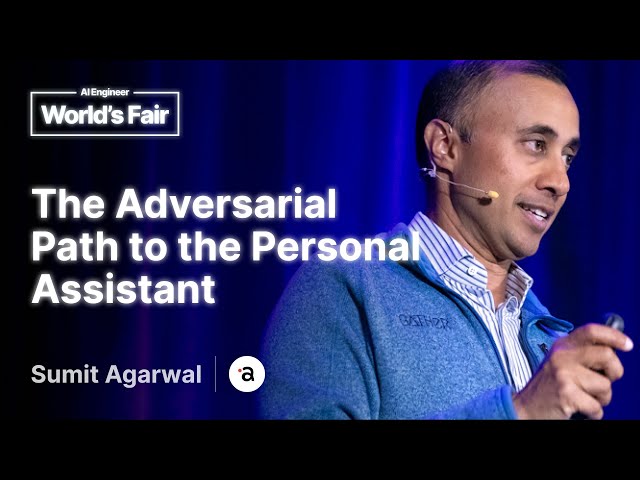
Explore how to build a truly personal AI assistant that knows you as an individual in this 19-minute conference talk from the AI Engineer World's Fair. Discover why current large language models like GPT-4, despite their massive training datasets, cannot provide personalized assistance without significant user input. Learn about an innovative approach that creates a personal, private, and proactive AI assistant by downloading your transaction logs from major consumer platforms like Google, Facebook, Amazon, DoorDash, Strava, and Uber directly to your local device. Understand how implementing a RAG (Retrieval-Augmented Generation) system using this personal data enables immediate utility without requiring extensive user configuration. Gain insights into how a modest amount of powerful personal data can unlock the true potential of personalized AI assistance, moving beyond generic responses to truly individualized support.

Coursera
Nursing Assistant Essentials is a beginner-level course designed to build the fundamental knowledge and skills to provide compassionate and effective patient care. Through these three lessons, students will learn how to support patients across various healthcare settings. In Lesson 1: The Workplace: Health Care Settings, students explore the diverse environments where nursing assistants work, including hospitals, nursing homes, and home care settings. Lesson 2: The Nursing Assistant Role delves into the specific duties of a nursing assistant, including patient interaction, assisting with daily activities and providing essential support to nursing teams. Students learn to communicate effectively with patients and other healthcare professionals, fostering a positive and supportive care environment. In Lesson 3: Daily Hygiene: Grooming, Bathing, Toileting, Oral Care, and Dressing, students gain hands-on knowledge of assisting patients with personal hygiene tasks. They learn the proper techniques for ensuring patient comfort, dignity, and safety while performing essential daily care routines. This course is unique in its practical, patient-centered approach, blending theoretical understanding with essential hands-on skills to prepare students for real-world healthcare roles.

Swayam
यहकोर्सछात्रकोकौशल औरशिक्षाप्रधान करेगाताकि छात्र स्वयं नियोक्ता प्राप्तकर सकें।पाठ्यक्रम को पूरा करने के पश्चात,बिस्तरपर पड़ें रोगियों को घर पर ही उपचार उपलब्ध कराकर स्व: रोजगार प्राप्त कर पाएगा।•पंचकर्मा चिकित्‍सालय•आयुर्वेदिक हस्‍पताल•आयुर्वेदिक आहार केन्‍द्र•आयुर्वेदिक हर्बल नर्सरी•आयुर्वेदिक हर्बल नर्सरी•जीवन शैली केन्‍द्र स्‍वास्‍थ्‍य केन्‍द्र•स्‍वास्‍थ्‍य स्‍पा तथा रिसोर्ट•आयुर्वेदिक कॉस्‍मेंटिक क्‍लीनिक•आदि में सहायक के रूप में कार्य कर सकते है।

Pluralsight
AI assistants and chatbots have been a topic of great interest for many years. However, good AI assistants have also been really hard to implement and deploy… until now. The AI Assistants API from OpenAI allows creating powerful AI assistants that are capable of performing a variety of tasks that are really hard to code using traditional coding mechanisms. In this course, OpenAI Assistants API, you’ll learn how to develop powerful assistants that can be deployed in your applications that can interact using natural language. First, you’ll learn how to create and retrieve assistants. Next, you’ll learn how to create threads, run, and retrieve responses. Next, you’ll learn how to call functions that can be used by your assistant. Finally, you will learn how to upload content that your assistant can use for its responses. When you’re finished with this course, you’ll have the skills and knowledge of the OpenAI Assistants API needed to create a powerful AI assistant that receives prompts in natural languages and provides excellent responses using natural language.

Coursera
The Nursing Assistant Fundamentals specialization prepares students for a successful Nursing Assistant career in diverse healthcare settings, emphasizing patient care assistance, health care setting navigation, effective communication in healthcare, hygiene and safety protocols, and patient mobility and comfort. IMPORTANT: This specialization is not designed to prepare students for national certification. Enrollees will gain the foundational/fundamental knowledge on subject matter relevant to the profession. However, to gain industry certification, a more comprehensive program must be completed through enrollment via approved/eligible schools such as MedCerts.
YouTube
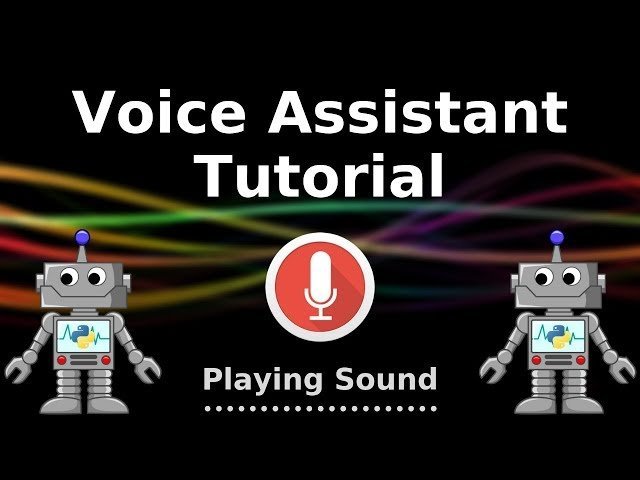
Learn to build a Python-based voice assistant that integrates with Google Calendar API, enabling features like schedule retrieval, note-taking, and more. Explore topics such as sound playback using gTTS, microphone input processing, Google Calendar API setup, speech-to-date conversion, event retrieval and vocalization, program launching, and assistant activation in this comprehensive tutorial series spanning 1 hour and 30 minutes.

FutureLearn
This course will cover all aspects of the use of digital photography in dental practice: intra-oral, extra-oral, and portraits. Participants will be taken through photography, from the basics of choosing correct equipment and setting it up, to optimum settings, techniques for consistent imaging and the safe storage of images. The course is taught by the team that delivers the online masters degree course in Restorative Dentistry MSc/Diploma from the School of Dentistry at the University of Birmingham UK, and will involve about five hours per week of your time. Quotes from previous learners: “That was fantastic. I feel I have a great grasp on the settings on my camera and flash and what they all mean, and feel quite confident to take photographs of patients that I can use for practice promotion and records. Thanks so much!” - Andrea Lakatos “I really enjoyed this course and I finally understand the settings in my camera. Thanks Mike for making every lesson so easy and keeping me motivated!!” - Vania Wassel Antich “Fantastic course! Can’t wait to share what I’ve learnt with the rest of the girls at work. Thank you so much!” - Hollie Williams The course is designed to be of interest and applicable to all members of the dental team who want to further their understanding of the practical applications of photography in dental contexts. It is suitable for anyone who wants to develop their skills to improve their photographic patient records, or those wishing to use dental photography for marketing purposes. Time spent by UK dental professionals on this course will count as non-verifiable CPD. Before beginning this course, you will need access to a digital SLR camera. Detailed advice on choosing a camera will be given at the start of the course, but if you’re keen to get a head start, then you can download Equipment Recommendations (PDF, 232k).

YouTube
Explore the innovative field of Virdentopsy in this 28-minute video presentation by Prof. Emilio Nuzzolese. Learn about the groundbreaking concept of Virtual Dental Autopsy and its potential to revolutionize human identification processes for unidentified remains. Discover how this new approach offers a global solution for implementing best practices in human identification while respecting the rights of the deceased. Gain insights into the application of virtual and remote techniques in forensic odontology and their implications for advancing forensic science and human rights.

YouTube
Explore the latest advancements and emerging trends in dental forensics through this informative lecture. Gain insights into the crucial role of dental evidence in forensic investigations and individual identification. Learn about the challenges faced in bite mark cases and discover innovative approaches to overcome these obstacles. Delve into cutting-edge techniques and technologies that are revolutionizing the field of dental forensics. Enhance your understanding of how dental evidence contributes to solving complex forensic cases and its importance in the broader context of forensic science.

YouTube
Explore denial-of-service attacks, standard solutions, and unique challenges game developers face in prevention through this 54-minute GDC session from 2018. Gain insights from Valve's Fletcher Dunn as he provides a quick overview of DoS mitigation strategies specifically tailored for the gaming industry. Learn about the latest techniques and best practices to protect your game servers and maintain a smooth player experience.

Udemy
Learn Template Driven Web Development With Django and Python! What you'll learn: Introductory DjangoHow to Build Template Driven Websites With DjangoDownload and Install PythonInstall DjangoHow To Manage URL'sHow to Create Views/PagesHow to Use TemplatesHow To Build Any Basic Business Website In this course you'll learn to build websites with Python and Django by building out a cool and professional Dentist website! Why a Dental website?Many coders want to become freelance web developers, and what better way to get gigs than by building websites for all the Dentists in your area! In this course you'll learn to build websites fast using free HTML templates. We'll download a dental template for free and then customize it to suit our needs. You'll learn to...Install PythonInstall The Sublime Text Editor and Git Bash TerminalSet Up A Virtual EnvironmentInstall Django and Start Our ProjectRun the Django ServerStart a New Django AppUrls .pyBuild our First WebpageDownload the Dental TemplateCreate Static DIRSInstall the Dental TemplateAdd Static Tags to The TemplateTweak Our Static Tags (part 1)Tweak Our Static Tags (part 2)Tweak Our Static Tags (part 3)Building Django LinksTweak The HTML TemplateAdd Custom ImagesAdd A VideoContact PageChange The Contact Page MapBuild The Contact FormBuild The Contact Form (part 2)Send Email With DjangoSend Email With Django (part 2)Send Email With The Development Sendmail ServerCreate an Email Response PageVersion Control With GitGithub . comIntro To Heroku For WebhostingInstall The Heroku ToolbeltInstall Modules For HerokuSettings .py Heroku ChangesPush Our Code To HerokuAdd A Domain NameThis is a really fun course with a cool project!When we're finished you'll have a nice website to add to your portfolio! See you inside! -John Elder