

Courses
Discover thousands of courses from top institutions and platforms worldwide
Level
Course Type
Duration
Coursera
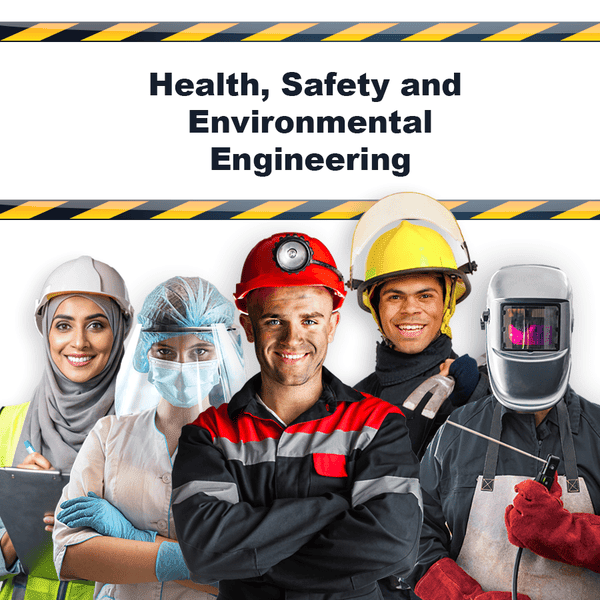
Through three courses, learners gain expertise in HSE engineering principles, regulatory compliance frameworks, advanced risk and safety analysis, and sustainable environmental management. They’ll design integrated HSE systems, perform hazard assessments, implement ISO 14001–aligned EMS, and apply sustainability strategies. Developed in collaboration with leading regulatory agencies and industry experts for real-world applicability.

OpenLearn
Life is full of risk. In this free course, Integrated safety, health and environmental management: An introduction, 'risk' describes the probability and consequences of harm or, at worst, disaster. Risk management involves many stakeholders and integrated management systems help to ensure that safety, quality, environmental and business risks are all managed correctly. The course also looks at emergency preparedness, that is, the management of emergencies and disasters.

YouTube
Watch a conference presentation from the 2017 Kyoto Global Conference for Rising Public Health Researchers focusing on environmental safety, specifically water and air quality. Join speaker Bunyarit Panyapinyopol from Mahidol University as they present during Session 5 at the Yamauchi Hall, Shiran Kaikan venue. Learn about interdisciplinary approaches and collaborative efforts aimed at achieving health for all through the lens of environmental safety and public health research.

YouTube
Explore the environmental, health, and safety implications of metal nanoparticles in aquatic environments through this recorded webinar from the National Nanotechnology Initiative (NNI). Delve into the cutting-edge research and discussions presented during the NNI Public Webinar held on February 1, 2023. Gain valuable insights into the potential impacts of nanotechnology on aquatic ecosystems and human health, as experts share their findings and perspectives on this critical topic. Enhance your understanding of the challenges and opportunities associated with metal nanoparticles in water systems, and learn about the latest developments in nanomaterial safety assessment and risk management strategies.
Coursera
This specialization focuses on psychological health and safety in the workplace and consists of three interconnected courses, each designed to provide practical insights and strategies tailored to different roles within an organization. The first course, Becoming Your Best Self at Work, is all about the worker. It explores the science of happiness at work and how workplace culture directly influences mental health. The second course, How To Be a People Leader, shifts the focus to frontline leadership. Leaders play a critical role in workplace well-being, and this course equips supervisors and managers with the skills to build trust and compassion while supporting employees' mental health. The third and final course, Creating a Workplace People Want to Be, is designed for employers, owners, and senior leaders who are responsible for shaping workplace policies and culture. Psychological health and safety isn’t just about compliance—it’s a strategic advantage that impacts both people and business success. Are you ready to be a part of a more successful workforce that promotes a culture focused on your psychological health and safety?
FutureLearn
Recognise the importance of occupational health and safety standards No workplace is free from risk. Whether physical or psychosocial, occupational hazards are a concern for every workplace. This two-week course from Universiti Malaya will give you an introduction to occupational health and safety and help you to identify the many different types of hazards that can be found in the workplace. Learn to identify physical and psychosocial risks in the workplace Hazards and risks in the workplace aren’t always clear. It’s essential to understand that psychosocial risks need to be addressed just as much as hazards that can result in physical injury. On this course, you’ll learn to identify the numerous types of occupational health and safety risks to ensure that you’re able to find and address them in your own company. You’ll also examine chemical and biological hazards, delving into toxicology and poisons as well as the chain of infection and how to contain these hazards. Explore permissible exposure limits and the legal standards of different countries Each country and region has their own level of hazard that workers are allowed to be exposed to over the period of their workday. You’ll explore how countries define their standards in terms of hazard exposure levels based on permissible exposure limits (PEL), workplace exposure limits (WEL), and occupational exposure limits (OEL). This will give you a baseline understanding of how to assess risk levels to protect workers. Learn occupational health standards with the experts at Universiti Malaya This course is led by Professor Dr Victor Hoe, an Occupational Health Physician with a practice in the Universiti Malaya Medical Centre. With Dr Victor Hoe’s expertise, you’ll be guided through the many occupational hazards and risks and how you can effectively identify and contain them. This course is designed for primary care providers such as general practitioners, nurses, physicians, and more. It will also be suitable for anyone interested in learning more about occupational safety and health.

FutureLearn
Learn how to detect food fraud and food allergies On this four-week course from Taipei Medical University, you’ll discuss global food safety concerns, exploring the effects of different foods, toxins, and additives on the human body. You’ll begin by looking at examples of food fraud and why food may be adulterated. You’ll then investigate food allergies, explaining their connection to food fraud, and identifying a variety of food authentication methods. Discover the impact of heavy metals exposure on human health Metals such as mercury, arsenic, cadmium, and lead, can be detected in different foods. You’ll explore the characteristics of heavy metals and the cumulative effects they can have on our health. You’ll evaluate the risks of the four main heavy metals in your local environment and compare them with other learners around the globe. Examine the fundamentals of food microbiology Food microbiology can help us understand food safety on a micro-level. You’ll be introduced to microorganisms, types of food microbe, and their applications in fermented food production. You’ll delve into fungi, moulds, and yeasts, and examine fermented foods around the world. With this knowledge, you’ll be able to identify the benefits and risks of food fermentation and explain the various fermentation processes used in the food industry. Improve your knowledge of toxicology and food additives You’ll finish this course by examining food additives, their effects, and regulation in the UK and US. You’ll be introduced to a range of developmental toxicity studies, gaining insights into how additives are assessed for safety. By the end of this course, you’ll have an overview of food safety concerns, understanding how and why additives have been introduced into our foods and how their impact on the body is monitored and assessed. This course is designed for anyone who wants to further their knowledge of food safety, with a particular focus on allergens, additives, and chemical contaminants.

ThaiMOOC
คำอธิบายรายวิชา รายวิชานี้ศึกษาเกี่ยวกับหลักการพื้นฐานด้านอาชีวอนามัยและความปลอดภัย กฎหมายที่เกี่ยวข้อง การจำแนกสิ่งคุกคามและผลกระทบต่อสุขภาพ การประเมินการรับสัมผัส ค่าขีดจำกัดการสัมผัส ทฤษฎีการเกิดอุบัติเหตุ หลักความปลอดภัยในการทำงาน การตรวจความปลอดภัย แนวทางการจัดทำมาตรฐานการทำงานที่ปลอดภัย การป้องกันควบคุมสิ่งคุกคามและอุบัติเหตุในการทำงาน การจัดบริการและอาชีวอนามัย จำนวนชั่วโมงเรียนรู้ จำนวนชั่วโมงเรียนรู้ทั้งหมด 5 ชั่วโมงเรียนรู้ (จำนวนชั่วโมงสื่อวีดิทัศน์ 1 ชั่วโมง 45 นาที) วัตถุประสงค์การเรียนรู้ 1. อธิบายบทบาท ขอบเขตและทฤษฎีพื้นฐานด้านอาชีวอนามัยและความปลอดภัยได้ 2. จำแนกสิ่งคุกคามและประเมินผลกระทบสุขภาพและความปลอดภัยเบื้องต้นได้ 3. เสนอแนะแนวทางการป้องกันและควบคุมทางด้านอาชีวนามัยและความปลอดภัย คุณสมบัติผู้เรียน นักเรียน นักศึกษา และประชาชนทั่วไป ทุกเพศ ทุกวัย ที่สนใจสามารถเรียนได้ เกณฑ์การวัดผล เข้าทำแบบทดสอบก่อนเรียน กิจกรรมในบทเรียน และแบบทดสอบหลังเรียน ผู้เรียนมีคะแนนรวมทั้งหมดไม่ต่ำกว่า 70% ถือว่าผ่านเกณฑ์เพื่อรับประกาศนียบัตรในระบบได้ ทีมผู้รับผิดชอบรายวิชา MOOC อาจารย์ผู้รับผิดชอบรายวิชาหลัก อาจารย์ ดร.จันจิรา มหาบุญ สำนักวิชาสาธารณสุขศาสตร์ มหาวิทยาลัยวลัยลักษณ์ อาจารย์ผู้รับผิดชอบรายวิชาร่วม ผู้ช่วยศาสตราจารย์ จิตตาภรณ์ มงคลแก่นทรายสำนักวิชาสาธารณสุขศาสตร์ มหาวิทยาลัยวลัยลักษณ์ อาจารย์ผู้รับผิดชอบรายวิชาร่วม ผู้ช่วยศาสตราจารย์ ศิริพร ด่านคชาธารสำนักวิชาสาธารณสุขศาสตร์ มหาวิทยาลัยวลัยลักษณ์ อาจารย์ผู้รับผิดชอบรายวิชาร่วม ผู้ช่วยศาสตราจารย์ มุจลินท์ อินทรเหมือนสำนักวิชาสาธารณสุขศาสตร์ มหาวิทยาลัยวลัยลักษณ์ อาจารย์ผู้รับผิดชอบรายวิชาร่วม อาจารย์ ดร.ปรีดา สันสาครสำนักวิชาสาธารณสุขศาสตร์ มหาวิทยาลัยวลัยลักษณ์ ช่องทางติดต่อทีมผู้สอน email: hjunjira@wu.ac.th โทร. 0-7567-2794, 0-7567-2772, 2700 Creative commons สัญญาอนุญาตสิทธิ์ “สื่อการสอนนี้เป็นส่วนหนึ่งของโครงการ Thai MOOC (thaimooc.org) และเผยแพร่ภายใต้สัญญาอนุญาตสิทธิ์แบบ Creative Commons ด้วยเงื่อนไข CC BY NC SA”

edX
Everyday reports of food scandals and recalls are published. One day it’s scary bacteria in meat, and another day it’s dangerous pesticides in fruits. According to some, meat needs to be cooked well to prevent food-borne illness while others warn not to heat food to prevent the formation of poisonous substances. Many consumers worry about the conflicting and confusing messages about food hazards. This nutrition and health course will teach you about the risk factors associated with food and give you the tools to assess and quantify the dangers they can present. You will learn about food safety, the effects of food processing, the shared responsibility in the food chain and the prevention of food poisoning. After this course, you will be able to differentiate what is a food myth and what is an actual health risk. Finally, you will gain a contemporary view of how different risks can be weighed in a scientific way.

FutureLearn
Recognise the importance of occupational health and safety standards No workplace is free from risk. Whether physical or psychosocial, occupational hazards are a concern for every workplace. This two-week course from Universiti Malaya will give you an introduction to occupational health and safety and help you to identify the many different types of hazards that can be found in the workplace. Learn to identify physical and psychosocial risks in the workplace Hazards and risks in the workplace aren’t always clear. It’s essential to understand that psychosocial risks need to be addressed just as much as hazards that can result in physical injury. On this course, you’ll learn to identify the numerous types of occupational health and safety risks to ensure that you’re able to find and address them in your own company. You’ll also examine chemical and biological hazards, delving into toxicology and poisons as well as the chain of infection and how to contain these hazards. Explore permissible exposure limits and the legal standards of different countries Each country and region has their own level of hazard that workers are allowed to be exposed to over the period of their workday. You’ll explore how countries define their standards in terms of hazard exposure levels based on permissible exposure limits (PEL), workplace exposure limits (WEL), and occupational exposure limits (OEL). This will give you a baseline understanding of how to assess risk levels to protect workers. Learn occupational health standards with the experts at Universiti Malaya This course is led by Professor Dr Victor Hoe, an Occupational Health Physician with a practice in the Universiti Malaya Medical Centre. With Dr Victor Hoe’s expertise, you’ll be guided through the many occupational hazards and risks and how you can effectively identify and contain them. This course is designed for primary care providers such as general practitioners, nurses, physicians, and more. It will also be suitable for anyone interested in learning more about occupational safety and health.

Coursera
The first course of the Impacts of the Environment on Global Public Health specialization will provide you with a foundation in environmental health sciences (EHS). We will explore four main topics. The first is an introduction to EHS and the exposure-disease model – a very useful framework for understanding the influence of the environment on human health. The second topic is key concepts in EHS and environmental health policies that can be used to address and reduce the impacts of environmental health hazards. The third topic is the application of systems thinking to understand and analyze environmental health issues. The fourth and final topic is occupational health, which is a key environment that represents a major source of morbidity and mortality from a public health perspective.

Udemy
Learn how to comply with H&S and FS Law, train your team effectively and protect your business from common risks What you'll learn: Manage all health and safety and food safety matters at their workplaceIdentify H&S and Food Safety hazards and risks within the food business, create risk assessments and develop procedures to support safe work environmentFamiliarise yourself with the main H&S and FS Laws and their legal duties and responsibilitiesProvide adequate Health and Safety and Food Safety training to your teamProtect your business from legal actions related to H&S and Food Safety management by adopting best standards and practices within hospitality sector This courseprovides information for people working in the catering and hospitality industry on how to comply with Health and Safety Law and Food Safety law, the main risks areas and control and prevention methods. You will learn how to managehealth and safety in your business and provide adequate training to your team. The course covers: H&S and Food Safety Legislation overview; Management and employeeresponsibilities in ensuring compliance with the Law;MainHazardsand risks within catering and hospitality and theirmanagement;Risk assessments and mapping tools;Fire Safety;Equipment and Electrical Safety;Manual Handling techniques;Control of Substances Hazardous to Health;Stress Management at Work;Provision of training and information for staff;Food Safety and how to implement food safety management procedures;Food Hygienepractice and controls;Allergens and safe allergen handling;Cross-contamination and its prevention;Safer Food, Better Business concept andHACCP food safety management system.The course also contains quizzes, test anddownloadable training materials that make it more engaging and practical and alsocan be used for your business. By the end of this training you will be able to recognise health & safety andfood safety hazards, hygiene risks and understand how they may be prevented and controlled and, all in all,how to ensure safety in your business.

Udemy
Safety Leadership, Industry Workplace Health and Safety, Safety Culture, OSHA-US, EU-OSHA and ISO 45001,Safety Committee What you'll learn: Demonstrate a comprehensive understanding of safety leadership principles and their application in industry workplace health and safety contexts.Identify, assess, and prioritize risks effectively, utilizing various techniques for hazard identification and risk management.Develop and implement clear and impactful communication strategies to promote safety awareness and compliance among employees.Design and deliver robust safety training programs tailored to the specific needs of the organizationEvaluate and improve safety culture within the organization, recognizing the role of leadership in cultivating a positive safety culture.Lead and manage safety change initiatives effectively, driving positive change and fostering a culture of continuous improvement in safety practices.Implement and monitor continuous improvement strategies to enhance safety performance and mitigate potential risks in the workplace.Evaluate the effectiveness of safety initiatives and interventions, utilizing appropriate metrics and tools to measure safety performance and outcomes. Safety Leadership: Industry Workplace Health and Safety 2.0Industry Workplace Health and Safety 2.0 is designed to equip participants with the knowledge, skills, and mindset necessary to effectively lead and manage safety initiatives in the workplace. This comprehensive course covers essential principles of safety leadership, risk management, hazard identification, communication strategies, safety culture development, and leading safety change and continuous improvement.Participants will explore the foundational principles of safety leadership, understanding its importance in the workplace and its evolution within industry contexts. Through practical exercises and case studies, they will learn to assess, prioritize, and manage risks effectively, utilizing various techniques for hazard identification and risk management.Effective communication is key to successful safety leadership, and this course provides participants with strategies for clear and impactful communication in safety contexts. They will also gain insights into developing and implementing robust safety training programs to ensure that all employees are equipped with the knowledge and skills necessary to maintain a safe working environment.Safety culture plays a crucial role in organizational safety performance, and participants will learn how to define, assess, and improve safety culture within their organizations. They will explore the role of leadership in cultivating a positive safety culture and driving continuous improvement in safety practices.Leading safety change initiatives requires strong leadership skills, and participants will learn how to effectively lead and manage change processes in the context of safety. They will also gain insights into implementing continuous improvement strategies, monitoring safety performance, and evaluating the effectiveness of safety initiatives.Throughout the course, participants will have the opportunity to engage in discussions, practical exercises, and real-world case studies to deepen their understanding and application of safety leadership principles. By the end of the course, participants will be equipped with the knowledge, skills, and tools necessary to lead safety initiatives effectively and drive positive safety outcomes in their organizations.In this master course, I would like to teach the major topics: (More topics updating !)Module 1: Introduction to Safety LeadershipModule 2: Risk Management and Hazard IdentificationModule 3: Communication and Training in Safety LeadershipModule 4: Safety Culture DevelopmentModule 5: Leading Safety Change and Continuous ImprovementUpdated Lectures 2024 - New Lectures updating !Module 1: Legal and Regulatory Compliance in SafetyModule 2: Safety Leadership Styles and ApproachesModule 3: Behavioral Safety and Human FactorsModule 4: Incident Investigation and Root Cause AnalysisModule 5: Emergency Preparedness and Response PlanningModule 6: Ergonomics and Workplace Design for SafetyModule 7: Safety Metrics and Performance MeasurementModule 8: Contractor and Vendor Safety ManagementModule 9: Safety Leadership in High-Risk IndustriesModule 10: Mental Health and Well-being in the WorkplaceModule 11: Safety Technology and InnovationModule 12: Safety Audits and InspectionsModule 13: Safety Leadership in Remote and Isolated WorkplacesModule 14: Fatigue Management and Shift Work SafetyModule 15: Environmental Safety and SustainabilityModule 16: Safety Accountability and ResponsibilityModule 17: Crisis Communication and Media ManagementModule 18: Safety Leadership in Multinational OrganizationsModule 19: Safety Leadership for New and Young WorkersModule 20: Safety Leadership Evaluation and FeedbackModule 21 :The Role of Diversity & Inclusion, Safety, and Labor StrategiesUpdated Lectures for Safety Leadership 2025 : ( More lectures updating now )Psychological Safety in the WorkplaceEthical Decision Making in Safety LeadershipSafety Leadership in Digital WorkspacesProactive Safety Leadership StrategiesSafety Leadership in Construction EnvironmentsLeading Safety in Manufacturing SettingsEmotional Intelligence in Safety LeadershipAdvanced Risk Assessment ToolsSafety Leadership in Aging Workforce ManagementLeading Safety in Logistics and TransportationCross-functional Collaboration for Safety LeadershipAdvanced Ergonomics for Injury PreventionGlobal Safety Leadership PracticesSafety Leadership in Healthcare SettingsInnovative Safety Technologies and ApplicationsDeveloping a Safety Leadership BrandGender and Safety Leadership in the WorkplacePublic Health and Occupational Safety LeadershipSafety Leadership in Office EnvironmentsEthics and Transparency in Safety ReportingRemote Worker Safety LeadershipManaging Safety in Small BusinessesSafety Leadership in Renewable Energy IndustriesOrganizational Learning from Safety FailuresLeadership in Chemical and Hazardous Material SafetyManaging Work-life Balance to Promote SafetyMultigenerational Safety LeadershipEnhancing Situational Awareness in LeadershipData-Driven Decision Making for SafetyLeadership in Emergency Evacuations and DrillsEncouraging Employee Ownership of SafetySafety Leadership in Retail and Customer-Facing RolesCompetency-Based Safety Leadership DevelopmentVisual Management for Safety LeadershipCross-Industry Safety Leadership Case StudiesIntegrating Corporate Social Responsibility (CSR) with SafetyCoaching and Mentoring for Safety LeadershipManaging Safety in Labor-Intensive IndustriesLeadership in Disaster Recovery and SafetyCommunity Engagement in Workplace SafetyGlobal Occupational Health and Safety Standards - OSHA, EU-OSHA and ISO 45001 (Updated 2025)Introduction to Occupational Health and SafetyLegal Framework of OSHALegal Framework of EU-OSHAOverview of ISO 45001Key Stakeholders in Workplace SafetyOSHA Standards and RegulationsEU-OSHA Regulatory FrameworkRisk Management in ISO 45001OSHA Recordkeeping and ReportingEU-OSHA Reporting and DocumentationOccupational Health and Safety ProgramsSafety Culture and ISO 45001OSHA Workplace InspectionsEU-OSHA Inspection ProtocolsRisk Assessment in the WorkplaceIdentifying Hazards in the WorkplaceOSHA Penalties and EnforcementEnforcement Measures in the EUISO 45001: Context of the OrganizationSafety Committees and Employee InvolvementOSHA Training RequirementsTraining Requirements in EU-OSHAISO 45001 Leadership and CommitmentOSHA Emergency Preparedness and ResponseEmergency Planning in EU-OSHAISO 45001 Emergency Preparedness and ResponseWorkplace Ergonomics under OSHAErgonomics in EU-OSHAHealth and Safety CommitteesISO 45001: Planning for Safety ObjectivesSafety Leaders and Managers: Skills and Leadership Communication in OrganizationLeadership Styles and Management, Overcoming Challenges in ManagementEffective Communication SkillsPrioritization and Time Management TechniquesPositive Team Culture and Promoting Team BondsManaging Conflict and Difficult ConversationsEmployee Development and Organizational SuccessEmotional IntelligenceMultigenerational WorkforcePromoting Diversity and Inclusion Work EnvironmentsEmotional Intelligence - PART IIKey Trends in Reskilling and Continuous LearningSkill Gaps and Successful Training ProgramsKey Components of Leadership Training ProgramsCommunication Skills : Effective Techniques for Enhanced ConnectionsKey Elements of Establishing CoachingStrategies for Building ResilienceCritical Thinking and Enhanced Decision-Making SkillsMastering Your Choices: Overcoming Decision-Making BiasesNavigating ConflictSignificance of Employee Engagement and Increasing Engagement on Your PlatformStrategic Workforce Planning - SWPPsychological Safety in TeamsStructuring Networks and Fostering Collaborative EcosystemsDEI - Diversity, Equity, and Inclusion in the WorkplaceWorkplace Health and SafetyIdentifying Top Talent: The Quest for ExcellenceA Path to Enhanced Motivation and Employee EngagementChange Management and Strategies for Overcoming ResistanceThe Role of Monitoring in Fostering Performance and Well-being More lectures updating now !Enroll now and learn today !

Coursera
The fourth and final course of the Impacts of the Environment on Global Public Health specialization will cover two topics. The first is environmental justice – that is, avoiding an inequitable distribution of environmental health threats in our population, and ensuring a healthy and safe environment and health equity for all. The second is risk assessment and management, a framework that can be utilized to assess and quantify human health risks, and to identify appropriate approaches to mitigating those risks and promoting better health. We will explore the steps involved in risk assessment, as well as how risk assessment can incorporate and address environmental justice issues.

edX
Food safety is highly regulated. Yet, one blind spot is the migration of molecules from contact materials in kitchenware into food. Particular attention needs to be placed on chemicals present at low doses but acting on the endocrine system over a long time. In this course, you’ll learn about these endocrine disrupters and their potential impact on human health and the environment. You’ll evaluate how chemicals can migrate from packaging and slowly affect our endocrine health, and how tests can check for safety. Ultimately, you’ll better understand how we can improve food safety in general.

Coursera
The second course of the Impacts of the Environment on Global Public Health specialization will explore a number of different environmental hazards. These are: air pollution, water pollution, solid and hazardous waste, and two physical hazards (radon and noise). These hazards each have the potential to harm human health, and we will explore how you may come into contact with these hazards and how they may harm you, as well as what we can do to minimize these exposures and health impacts. We will also explore two additional key topics: urban and global health, and the influence of the built environment on human health.

LinkedIn Learning
Turn safety submittals into a simple, paperless process with Bluebeam Revu. Create an electronic package, complete with a hyperlinked chemical list.

Udemy
The Highfield Food Safety Level 3 syllabus presented in two hours of video tutorials. Boost your food safety knowledge. What you'll learn: Learn all of the Highfield Level Three food safety syllabus, with a focus on HACCP. Are you a manager or supervisor and want to achieve a level three food safety qualification? Or perhaps you are currently working in catering and want to develop your career? Or are you looking to buy a business or enter the trade for the first time? This course will boost your food safety knowledge.This course begins with a short video highlighting the importance of food safety, the positive impact it can have on your business. The prologue video also highlights the damaging impact poor standards can have on customers.You'll be taken through all aspects of managing food safety, with a particular focus on HACCP (Hazard analysis and critical control points).The knowledge you gain will help improve standards in your place of work. It will give you confidence to engage in discussions with experts such as EHO and safety departments in your organisation.There is an accompanying workbook to the course which you can download to help aid your understanding.You'll begin HACCP with an explanation of prerequisites and a brief study of pest control, cleaning and disinfection and structure.You will then be given brief examples of Flow Diagrams.There follows the largest section of the course; the seven principles of HACCP.The course is structured in a logical sequence to further assist your understanding and the transfer of information to your long term memory.Through the study of HACCP you will also learn about related topics such a cross contamination, spore forming bacteria, and how food poisoning occurs (intoxication and invasiveness).Throughout the course you will be given tips and ideas for completing your own internal audits. I have been a food safety advisor and trainer for over 20 years and the advice is based on my own experiences throughout that time.I also have a diploma in Business Management and the course includes a short video on the key aspects of food safety management; training, motivating and monitoring standards.You'll also be given a quick lesson on food safety law, including a quick explanation of the development of these laws over the century's. The course ends with a 15 minute summary of the entire course. That way, you can refresh your memory at any time without the need to revisit the entire course. Watching the summary at intervals (e.g. after one week, then one month, and then in 6 months) will help transfer the information to your long term memory.I hope you enjoy the course, and as ever, any feedback on how it can be improved would be great.

Udemy
Workplace Health and Safety Course For Employees & Managers What you'll learn: What health and safety at work is and why it is important.The work-related hazards and risks that commonly cause accidents and ill-health.Your and your employer's responsibilities for upholding health and safety.The welfare facilities that your employer should make available to you.The safety measures and procedures your employer will put in place and how you can help to uphold them.Understand what is required of employers and employees under current health and safety legislation.Understand the importance and significance of workplace risk assessments.Know why it's essential to report and investigate accidents.Understand the importance of undertaking a risk assessment to prevent and control hazards. Occupational Health and Safety Course Overview: When it comes to health and safety in the workplace, there are some basics that every employee should be aware of. These include understanding how to prevent accidents and injuries, knowing what to do if an accident or injury does occur, and being familiar with the types of hazards that are present in their particular work environment. By taking the time to learn about these topics, employees can help keep themselves and their coworkers safe on the job. One of the most important things for employees to understand is how to prevent accidents and injuries from happening in the first place. There are a number of steps that workers can take to reduce their risk of being injured on the job, such as paying attention to their surroundings, using proper safety equipment, and following all safety procedures. Additionally, employees should be aware of the types of hazards that are present in their work environment and take steps to avoid them. If an accident or injury does occur, it is important for employees to know what to do next. Employees should report any accidents or injuries to their supervisor immediately so that proper medical attention can be sought. In some cases, workers may need to fill out an accident report so that the incident can be properly documented. By taking the time to learn about health and safety fundamentals, employees can help keep themselves and their coworkers safe on the job. By understanding how to prevent accidents and injuries and knowing what to do if they occur, workers can make a positive difference in their workplace. Course Curriculum: Module 1: Introduction to Health and Safety in the Workplace In this module, you will learn about the importance of health and safety in the workplace. You will be introduced to the types of hazards that are present in many workplaces, as well as the steps that employees can take to reduce their risk of being injured on the job. Additionally, you will learn about the different types of accidents and injuries that can occur in the workplace and how to properly respond to them. Module 2: Preventing Accidents and Injuries in the Workplace This module will teach you about how to prevent accidents and injuries from happening in your workplace. You will learn about common accident triggers, as well as how to create a safe work environment. Additionally, you will be introduced to the different types of safety equipment that are available to workers and how to properly use them. Module 3: Responding to Accidents and Injuries in the Workplace In this module, you will learn about what to do if an accident or injury does occur in your workplace. You will be taught how to properly report an incident, as well as how to provide first aid if necessary. Additionally, you will learn about the importance of filling out an accident report so that the incident can be properly documented. Module 4: Handling Hazardous Materials in the Workplace This module will teach you about how to safely handle hazardous materials in your workplace. You will learn about the different types of hazards that are associated with different materials and how to properly protect yourself from them. Additionally, you will be introduced to the proper procedures for disposing of hazardous materials so that they do not pose a risk to your health or the environment. Module 5: Working Safely with Machinery in the Workplace This module will teach you about how to safely work with machinery in your workplace. You will learn about the different types of hazards that are associated with different machines and how to properly protect yourself from them. Additionally, you will be introduced to the proper procedures for using and maintaining machinery so that it does not pose a risk to your health or the safety of others. Module 6: Ergonomics in the Workplace In this module, you will learn about how to properly set up your workstation to avoid ergonomic injuries. You will be taught about the different types of ergonomic hazards that are present in many workplaces and how to properly address them. Additionally, you will be introduced to the proper procedures for lifting and carrying objects so that you do not injure yourself. Module 7: slips, Trips, and Falls in the Workplace This module will teach you about how to prevent slips, trips, and falls from happening in your workplace. You will learn about common accident triggers, as well as how to create a safe work environment. Additionally, you will be introduced to the different types of safety equipment that are available to workers and how to properly use them. Module 8: Fire Safety in the Workplace This module will teach you about how to prevent fires from happening in your workplace. You will learn about common fire triggers, as well as how to create a safe work environment. Additionally, you will be introduced to the different types of fire safety equipment that are available to workers and how to properly use them. Module 9: Stress Management in the Workplace In this module, you will learn about how to properly manage stress in your workplace. You will be taught about the different types of stressors that are present in many workplaces and how they can affect your health. Additionally, you will be introduced to different techniques that can help you reduce your stress levels so that you can stay healthy and productive. Module 10: Creating a Safe Workplace In this module, you will learn about how to create a safe work environment. You will be taught about the different hazards that are present in many workplaces and how to properly address them. Additionally, you will be introduced to the different safety procedures that are available to workers and how to properly implement them. By the end of this module, you should have a better understanding of how to create a safe workplace. Module 11: Occupational Health and Safety Management Systems In this module, you will learn about how to properly implement an occupational health and safety management system. You will be taught about the different components of a management system and how they can help you improve the safety of your workplace. Additionally, you will be introduced to the different types of audits that are available to workers and how to properly conduct them.

LinkedIn Learning
Learn about common types of workplace injuries and measures that can be taken to prevent them, as well as proactive management of safety, quality, and productivity.