

Courses
Discover thousands of courses from top institutions and platforms worldwide
Level
Course Type
Duration

UN CC:e-Learn
The COVID-19 pandemic exposed many fragilities of our economies and deepened existing inequalities and imbalances. Green fiscal policies in particular can play a key role in countries’ recovery efforts by removing inefficiencies in public expenditures and raising additional fiscal revenues which can be directed towards immediate COVID-19 relief measures while supporting longer-term investments.

edX
This course examines the role of fiscal policy, a combination of expenditure and tax policies, in supporting inclusive growth and highlights best practices for designing expenditure programs and tax policies to foster inclusion. It describes the main goals of an inclusive fiscal policy and the possible tradeoffs between growth and equity. It assesses how various public expenditure programs and tax policy measure could promote or hinder inclusive growth. Finally, the course identifies the challenges and political economy considerations surrounding fiscal reforms and discusses how they can be better implemented to pursue inclusion.

YouTube
Learn essential concepts of fiscal policy in this 33-minute educational video designed for CFA® Level I exam preparation, covering key learning objectives in economics. Master the comparison between monetary and fiscal policy, understand the roles and objectives of fiscal policy, and analyze the significance of national debt relative to GDP. Explore various fiscal policy tools while examining their advantages and disadvantages, and gain practical knowledge about policy implementation challenges. Develop a clear understanding of how to distinguish between expansionary and contractionary fiscal policies, preparing thoroughly for the Economics section of the 2024/2025 CFA® Level I examination.
YouTube
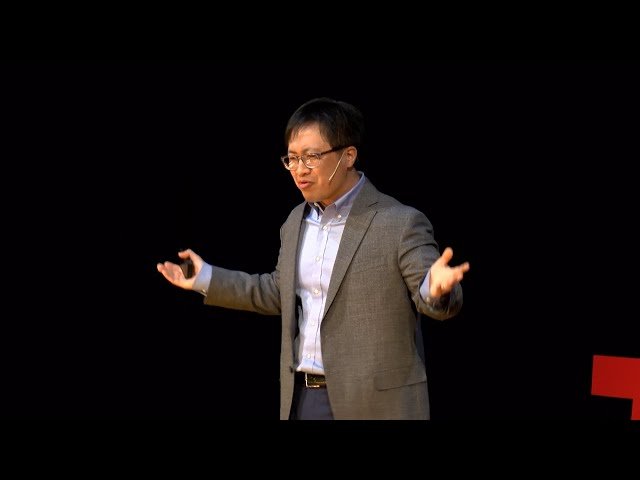
Explore the complex dynamics of fiscal federalism in this 18-minute TEDx talk by Dr. Fan Fei, an associate professor of business and economics. Delve into the intricate balance between state and federal power in economic and governmental issues, challenging the notion of a single correct approach. Discover how creative solutions can be developed to prioritize the well-being of people while maintaining economic stability. Learn from Dr. Fei's expertise in public finance, corporate finance, and economic history, including insights from his award-winning research on Federal-Aid Highways and their impact on general stores. Gain a deeper understanding of the nuanced relationship between different levels of government and their economic responsibilities in this thought-provoking presentation.

Swayam
Public economics is viewed as the economic study of the public sector thereby making it a study of government policy through the lens of economic efficiency and equity. As a subject it encompasses a host of topics including market failures, externalities, structure and scope of government; taxation, subsidies and revenues; fiscal policies and behaviour of economic agents; publicly provided goods; national government expenditures and related policies; national budget, deficit and debt; state and local government; intergovernmental relations etc. It considers the role governments play in keeping markets stable and analyses the extent that government interference helps or hinders free-market activities. By focusing on analytical and scientific analysis, Public Economics provides us with a level-headed picture of the effects of these government interventions. Public economics builds on the theory of welfare economics and is ultimately used as a tool to improve social welfare.The main objectives of this course are to enable learners analyse fiscal functions, the theories on growth of public expenditures; to describe the concept of public goods and externalities and the free riding problem and market inefficiency associated with them and their remedies; to discuss the principles of taxation, taxable capacity and its measurement, to analyse deadweight loss of taxation and optimal taxation, to describe India’s tax structure, the issues and challenges and tax reforms it has undertaken; to discuss the techniques and principles of budgeting, deficits and their management, the Centre-State financial relations, finance commission and FRBM Act.

YouTube
Explore the intricacies of the 2012 US fiscal cliff crisis in this 20-minute TED talk by Adam Davidson, co-host of "Planet Money." Delve into surprising data that sheds light on potential solutions to the budget impasse that gripped the nation and captured global attention. Gain insights into the complexities of bipartisan agreement and the economic factors at play during this pivotal moment in US political history. Learn how the lessons from this financial brinkmanship can inform our understanding of political negotiations and economic policy-making.

YouTube
Explore a comprehensive series of lectures and tutorials on economy and current affairs tailored for UPSC and IAS exam preparation. Delve into crucial topics like shell companies, money laundering, insolvency and bankruptcy code, agricultural futures, finance commissions, external sector economics, budget analysis, and economic surveys. Learn about important economic concepts, policies, and current events through detailed explanations, MCQs, and weekly current affairs updates. Cover a wide range of subjects including inflation, banking, trade agreements, monetary policy, fiscal policy, and more. Gain insights into recent economic developments, government schemes, and their implications for competitive exams. Enhance your understanding of complex economic issues and prepare effectively for UPSC and IAS examinations with this extensive collection of educational content.

Udemy
Fastest way from 0 to proficient beginner. No B.S, short, concise tutorial. What you'll learn: Use Excel functions and formulas proficiently like a professional analystPerform better in the workplace using not only Excel technical skills, but also correct mindset If you want a career change to more analytical role, if you want to be an analyst, this course is the fastest way for you to learn Excel. Here in this course, I only teach things that you will apply in your work as an analyst. There are thousands of functions in Excel, what analyst use on daily basis is within 20. Among thousands of shortcuts in Excel. What an analyst need is under 30. I am going to save your time and only teach the things that are important, from the start. That's why it's a jump-start. The analysts I am referring to are financial analysts, budget analysts,and research analysts. Because I've been working in all of these positions from start-up to Fortune 500 companies. I know at this point your job is somewhat about digging in numbers and impress your boss with what you find. I am here to help you to impress your boss, get promoted, get hired, and become one of the best.

edX
This eight-course Professional Certificate from IBM prepares you with job-ready skills for an entry level data analyst role. Position yourself competitively and power your data analyst career for a job in a thriving market or leverage foundational data skills to explore problems in an increasingly data-driven professional world. The U.S. Bureau of Labor Statistics projects a growth rate of 20% in the data analytics industry until 2028. You will learn the core principles of data analysis, participate in hands-on skills-based practice, and gain the knowledge to help companies make smarter business decisions. You will work with a variety of data sources, project scenarios, and data analysis tools, including Excel, SQL, Python, Jupyter Notebooks, and Cognos Analytics. These online learning tools will offer you practical experience with data manipulation and the application of analytical and data visualization techniques. This Professional Certificate does not require any prior programming or statistical skills, and is suitable for learners with or without college degrees. A willingness to learn, basic computer literacy, comfort working with numbers, high school math, and a desire to enrich your profile with valuable skills is all you need to get started in this course. With the IBM Data Analyst Professional Certificate you will develop the confidence and portfolio to begin a career as an associate or junior data analyst by learning the essential skills that help professionals in a wide range of job functions and industries explore business problems.

Udacity
Clean up messy data, uncover patterns and insights, and communicate your findings. You'll start with an introduction to data analysis tools, including Jupyter Notebook, NumPy, pandas, and Matplotlib. Using these tools, you will ask questions about data and answer them through data collection, exploration, wrangling, and visualization. This intermediate-level program includes real-world projects where you will choose your own datasets, research questions, and analysis approach. As you progress through the program, each course will repeat the data analysis process while introducing more advanced techniques, such as applying data imputation to fill in missing data and applying appropriate encodings when developing data visualizations.

Udacity
The goal of the Security Analyst Nanodegree Program is to equip students with the skills required to be successful in an analyst role.

edX
The US Bureau of Labor Statistics projects a 23% increase in cybersecurity jobs to 2033. The demand for cybersecurity analysts is growing ever stronger! What do cybersecurity analysts do? Cybersecurity analysts protect an organization's digital assets by identifying, analyzing, and mitigating security threats, ensuring data and systems remain secure against cyberattacks. This IBM Cybersecurity Professional Certificate has been designed by industry experts to provide you with the job-ready cybersecurity and digital forensic skills you need to jumpstart your cybersecurity career. No prior cybersecurity experience is required. To begin, you’ll build your foundational knowledge of cybersecurity essentials, tools, and technologies, operating systems, networking fundamentals, and the basics of cyberattacks. You’ll explore database fundamentals and vulnerabilities and learn about the steps a cybersecurity analyst would take to prevent, manage, and mitigate cybersecurity attacks. Plus, you’ll learn about cybersecurity architecture, compliance frameworks, standards, and regulations. You’ll also explore gen AI for cybersecurity and build valuable skills and hands-on experience in penetration testing, incident response, forensics, and threat intelligence. You’ll work on real-world projects developing cybersecurity plans and compliance frameworks, giving you great practical work to talk about in interviews. Plus, you’ll use real-world case studies that demonstrate that you can: Apply incident response methodologies and forensics practices. Use industry-specific security tools. Apply cybersecurity industry standards and best practices that mitigate risks, enhance security, and ensure compliance through audit processes. Use gen AI tools to boost cybersecurity effectiveness and productivity. Investigate a real-world security breach by identifying the attack, vulnerabilities, costs, and prevention. Take advantage of the insights provided by seasoned industry experts to guide your job search, resume creation, and Interviewing to help you land your first cybersecurity role. This program will also prepare you to take and earn a 30% discount on the CompTIA Security+ and CySA+ certification exams. After successfully completing this program, you’ll have an industry-recognized IBM Professional Certificate that you can add to your resume and portfolio. If you’re looking to kickstart your cybersecurity career as a sought-after analyst, ENROLL TODAY, and look forward to being job-ready in less than 6 months!

Udemy
Understand Data Security What you'll learn: Deep knowledge of organization’s IT Systems.IT Security threat analysis and management.IT Security maintenance, training and supportIT security fixes, tools, countermeasures, testing plus upgrade paths This course is designed for anyone who wants to understand the analysis of data security. More than ever, information security analysts are needed to rescue companies when they have been hacked or breached, as well as to put in place controls and counter-measures to avert cyber attacks.Gain the skills required to detect and mitigate information and cyber security threats and vulnerabilities. The security analyst role is an entry point to many other security specialties and is highly in-demand in today’s evolving threat environment.In the fast moving world of cyber security, with new threats evolving daily, up to date knowledge and skills that involves protecting systems and networks of companies and other assets containing mission-critical data as well as designing and developing new security solutions routinely to stay ahead of the hackers and cyber attackers.Learn the essential prerequisites for your career success! ENROLL TODAY!

edX
Step into the fast-growing world of data analytics with the Data Analyst program. This comprehensive, beginner-friendly series of courses from Microsoft will equip you with essential skills to collect, clean, model, and visualize data using Power BI—a leading business intelligence platform. Through hands-on projects and interactive lessons, you’ll learn how to turn raw data into actionable insights, build compelling dashboards, and effectively communicate trends and findings to stakeholders. Whether you're aiming to launch a new career in data analysis or upskill in your current role, this program offers the practical knowledge and tools to succeed in today’s data-driven job market.

YouTube
Explore innovative approaches to managing US debt and fostering long-term economic growth in this 44-minute talk featuring leading economists from diverse political backgrounds. Delve into topics such as automatic stabilizers, decluttering economic policies, inflation management, and addressing inequality. Gain insights on framing effective policies, long-term planning strategies, and tackling pressing issues like labor shortages and climate change. Examine the Biden Administration's economic approach and discover potential solutions for maintaining fiscal resiliency in an uncertain world.

YouTube
Explore the critical implications of America's unprecedented national debt, which has surpassed $30 trillion, in this 58-minute conference panel from the Milken Institute's Global Conference 2025. Examine how the continuously rising debt levels impact both the US economy and global financial markets through expert analysis from distinguished speakers including former Treasury Secretary Steven Mnuchin, former House Speaker Paul Ryan, Congressional Budget Office Director Phillip Swagel, and other leading financial experts. Discover potential remedial pathways forward, including innovative approaches to managing public finances and systemic reforms designed to streamline government spending. Gain insights into the current state of America's fiscal health and understand the broader economic consequences of mounting national debt from perspectives spanning government, private sector, and policy research institutions.

Udemy
Hands-On Data Analysis with SQL What you'll learn: Analyse and manipulate dataCreate Database and TablesAnalyse data using aggregate functionsAnalyse data using analytic functionsAnalyse data using ranking functionsAnalyse data using various operatorsAnalyse data using sub queriesAnalyse data using views A SQL data analyst is a data scientist that uses the SQL language to interpret data. This analysis is used to improve business information and provide new insights to managers.SQL data analysts design scripts and programs to perform specific database functions and to analyse and maintain data. Some SQL Data Analyst Duties and ResponsibilitiesDuties vary for SQL data analysts based on the specific needs of the hiring company and the amount of data being analysed. However, these core tasks are commonly associated with this job:Integrate DataSQL data analysts integrate data from multiple data sets into o:ne database system to streamline information.Create Database FunctionsSQL data analysts program specific database functions to create database triggers and design data tables.Design ReportsAfter reviewing and analysing data, SQL data analysts design reports to show statistics and other information about specific database topics.Clean DatabaseSQL data analysts remove dead data files and other irrelevant information to free up database space.Write ScriptsSQL data analysts write scripts to analyse data and perform specific data queries.Resolve Data IssuesSQL data analysts isolate and resolve issues with data and databases.Add DataSQL data analysts collect data from multiple sources and add it to the database. We will be performing data analysis using SQL on relational databases like: MySQL, PostgreSQL and MS SQL Server.A relational database is a type of database. It uses a structure that allows us to identify and access data in relation to another piece of data in the database. Often, data in a relational database is organized into tables. A relational database includes tables containing rows and columns. For example, a typical business order entry database would include a table that describes a customer with columns for name, address, phone number and so forth.SQL or Structured Query Language is a critical tool for data professionals. It is undoubtedly the most important language for getting a job in the field of data analysis or data sciences. Millions of data points are being generated every minute. And raw data does not have any story to tell. After all this data gets stored in databases and professionals use SQL to extract this data for further analysis.

Udemy
Complete Data Analyst Training: Python, NumPy, Pandas, Data Collection, Preprocessing, Data Types, Data Visualization What you'll learn: The course provides the complete preparation you need to become a data analystFill up your resume with in-demand data skills: Python programming, NumPy, pandas, data preparation - data collection, data cleaning, data preprocessing, data visualization; data analysis, data analyticsAcquire a big picture understanding of the data analyst roleLearn beginner and advanced PythonStudy mathematics for PythonWe will teach you NumPy and pandas, basics and advancedBe able to work with text filesUnderstand different data types and their memory usageLearn how to obtain interesting, real-time information from an API with a simple scriptClean data with pandas Series and DataFramesComplete a data cleaning exercise on absenteeism rateExpand your knowledge of NumPy – statistics and preprocessingGo through a complete loan data case study and apply your NumPy skillsMaster data visualizationLearn how to create pie, bar, line, area, histogram, scatter, regression, and combo chartsEngage with coding exercises that will prepare you for the jobPractice with real-world dataSolve a final capstone project The problemMost data analyst, data science, and coding courses miss a critical practical step. They don’t teach you how to work with raw data, how to clean, and preprocess it. This creates a sizeable gap between the skills you need on the job and the abilities you have acquired in training. Truth be told, real-world data is messy, so you need to know how to overcome this obstacle to become an independent data professional.The bootcamps we have seen online and even live classes neglect this aspect and show you how to work with ‘clean’ data. But this isn’t doing you a favour. In reality, it will set you back both when you are applying for jobs, and when you’re on the job.The solutionOur goal is to provide you with complete preparation. And this course will turn you into a job-ready data analyst. To take you there, we will cover the following fundamental topics extensively.Theory about the field of data analyticsBasic PythonAdvanced PythonNumPyPandasWorking with text filesData collectionData cleaningData preprocessingData visualizationFinal practical exampleEach of these subjects builds on the previous ones. And this is precisely what makes our curriculum so valuable. Everything is shown in the right order and we guarantee that you are not going to get lost along the way, as we have provided all necessary steps in video (not a single one skipped). In other words, we are not going to teach you how to analyse data before you know how to gather and clean it.So, to prepare you for the entry-level job that leads to a data science position - data analyst - we created The Data Analyst Course.This is a rather unique training program because it teaches the fundamentals you need on the job. A frequently neglected aspect of vital importance.Moreover, our focus is to teach topics that flow smoothly and complement each other. The course provides complete preparation for someone who wants to become a data analyst at a fraction of the cost of traditional programs (not to mention the amount of time you will save). We believe that this resource will significantly boost your chances of landing a job, as it will prepare you for practical tasks and concepts that are frequently included in interviews.The topics we will cover1. Theory about the field of data analytics2. Basic Python3. Advanced Python4. NumPy5. Pandas6. Working with text files7. Data collection8. Data cleaning9. Data preprocessing10. Data visualization11. Final practical example 1. Theory about the field of data analyticsHere we will focus on the big picture. But don’t imagine long boring pages with terms you’ll have to check up in a dictionary every minute. Instead, this is where we want to define who a data analyst is, what they do, and how they create value for an organization.Why learn it?You need a general understanding to appreciate how every part of the course fits in with the rest of the content. As they say, if you know where you are going, chances are that you will eventually get there. And since data analyst and other data jobs are relatively new and constantly evolving, we want to provide you with a good grasp of the data analyst role specifically. Then, in the following chapters, we will teach you the actual tools you need to become a data analyst.2. Basic PythonThis course is centred around Python. So, we’ll start from the very basics. Don’t be afraid if you do not have prior programming experience.Why learn it?You need to learn a programming language to take full advantage of the data-rich world we live in. Unless you are equipped with such a skill, you will always be dependent on other people’s ability to extract and manipulate data, and you want to be independent while doing analysis, right? Also, you don’t necessarily need to learn many programming languages at once. It is enough to be very skilled at just one, and we’ve naturally chosen Python which has established itself as the number one language for data analysis and data science (thanks to its rich libraries and versatility).3. Advanced PythonWe will introduce advanced Python topics such as working with text data and using tools such as list comprehensions and anonymous functions.Why learn it?These lessons will turn you into a proficient Python user who is independent on the job. You will be able to use Python’s core strengths to your advantage. So, here it is not just about the topics, it is also about the depth in which we explore the most relevant Python tools.4. NumPyNumPy is Python’s fundamental package for scientific computing. It has established itself as the go-to tool when you need to compute mathematical and statical operations.Why learn it?A large portion of a data analyst’s work is dedicated to preprocessing datasets. Unquestionably, this involves tons of mathematical and statistical techniques that NumPy is renowned for. In addition, the package introduces multi-dimensional array structures and provides a plethora of built-in functions and methods to use while working with them. In other words, NumPy can be described as a computationally stable state-of-the-art Python instrument that provides flexibility and can take your analysis to the next level.5. PandasThe pandas library is one of the most popular Python tools that facilitate data manipulation and analysis. It is very valuable because you can use it to manipulate all sorts of information - numerical tables and time series data, as well as text.Why learn it?Pandas is the other main tool an analyst needs to clean and preprocess the data they are working with. Its data manipulation features are second to none in Python because of the diversity and richness it provides in terms of methods and functions. The combined ability to work with both NumPy and pandas is extremely powerful as the two libraries complement each other. You need to be capable to operate with both to produce a complete and consistent analysis independently.6. Working with text filesExchanging information with text files is practically how we exchange information today. In this part of the course, we will use the Python, pandas, and NumPy tools learned earlier to give you the essentials you need when importing or saving data.Why learn it?In many courses, you are just given a dataset to practice your analytical and programming skills. However, we don’t want to close our eyes to reality, where converting a raw dataset from an external file into a workable Python format can be a massive challenge.7. Data collectionIn the real world, you don’t always have the data readily available for you. In this part of the course, you will learn how to retrieve data from an API.Why learn it?You need to know how to source your data, right? To be a well-rounded analyst you must be able to collect data from outside sources. This is rarely a one-click process. This section aims at providing you with all the necessary tools to do that on your own.8. Data cleaningThe next logical step is to clean your data. This is where you will apply the pandas skills acquired earlier in practice. All lessons throughout the course have a real-world perspective.Why learn it?A large part of a data analyst’s job in the real world involves cleaning data and preparing it for the actual analysis. You can’t expect that you’ll deal with flawless data sources, right? So, it will be up to you to overcome this stage and clean your data.9. Data preprocessingEven when your dataset is clean and in an understandable shape, it isn’t quite ready to be processed for visualizations and analysis just yet. There is a crucial step in between, and that’s data preprocessing.Why learn it?Data preprocessing is where a data analyst can demonstrate how good or great they are at their job. This stage of the work requires the ability to choose the right statistical tool that will improve the quality of your dataset and the knowledge to implement it with advanced pandas and NumPy techniques. Only when you’ve completed this step can you say that your dataset is preprocessed and ready for the next part, which is data visualization.10. Data visualizationData visualization is the face of data. Many people look at the data and see nothing. The reason for that is that they are not creating good visualizations. Or even worse – they are creating nice graphs but cannot interpret them accurately.Why learn it?This part of the course will teach you how to use your data to produce meaningful insights. At the end of the day, data charts are what conveys the most information in the shortest amount of time. And nothing speaks better than a well crafted and meaningful data visualization.11. Practical exampleThe course contains plenty of exercises and practical cases. In the end, we have included a comprehensive practical example that will show you how everything you have learned along the way comes nicely together. This is where you will be able to appreciate how far you have come in your journey to becoming a data analyst and starting your data career.What you getA program worth $1,250Active Q&A supportAll the knowledge to become a data analystA community of aspiring data analystsA certificate of completionAccess to frequent future updatesReal-world trainingGet ready to become a data analyst from scratchWhy wait? Every day is a missed opportunity.Click the “Buy Now” button and become a part of our data analyst program today.

YouTube
Explore the critical concept of privacy budgets in Privacy-Enhancing Technologies (PETs) through this insightful conference talk. Delve into the challenges of maintaining output privacy when using PETs, and learn how privacy budgets can be leveraged to ensure robust privacy preservation. Examine real-world examples demonstrating the limitations of PETs in protecting output privacy, and gain a comprehensive understanding of privacy budget allocation through various metrics and policy guidelines. Discover how privacy budgets can aid in demonstrating compliance with privacy-by-design requirements, and explore strategies for organizations to balance sensitive data protection with valuable data analysis insights.

Udemy
Explaining the economics of fiscal policy, money creation, and monetary policy What you'll learn: Understand macroeconomicsUnderstand economic policy-makingMake business decisions informed by knowledge of the state of the macroeconomy People generally have a hard time understanding macroeconomics, but after 7 years of teaching this course at university level, I have mastered the best ways of explaining its concepts for students to be able to understand them and relate them to the real world. This course is ideal for university students who are struggling to make sense of their textbooks and lectures, and will allow them to get better grades. This course is also ideal for professionals and citizens who want to better understand the economic concepts they deal with in work and daily life, such as inflation, unemployment, monetary policy, and fiscal policy. This course will help you understand questions such as: Why does the government engage in expansionary fiscal policy? What is the motivation behind reducing taxes? What are the implications of a drop in interest rates? What determines the money supply? After taking this course, you will be able to better understand how macroeconomic events impact your life, and can make better-informed decisions. The course is composed of 12 lectures, totaling 2 hours and 40 minutesof video. Each lecture will come with detailed lecture notes that emphasize and explain the main ideas. There will also be several practice problems for students to complete. For best results, students are urged to read the notes, watch the video, re-read the notes, and then solve the practice problems.