

Courses
Discover thousands of courses from top institutions and platforms worldwide
Level
Course Type
Duration
YouTube
Explore the cutting-edge field of genomics and its potential applications for space exploration in this thought-provoking TED talk. Delve into the work of geneticist and urban metagenome researcher Chris Mason as he discusses his innovative approach to mapping genomes for Earth, Mars, and beyond. Gain insights into how genomic research could play a crucial role in humanity's interplanetary survival and learn about the fascinating intersection of genetics and space exploration. Discover the potential implications of this groundbreaking research for future missions to Mars and other celestial bodies, and understand how genomics could shape the future of human space colonization.

YouTube
Explore groundbreaking genetic research in this 17-minute TED talk by geneticist Svante Pääbo. Discover DNA evidence revealing that early humans interbred with Neanderthals after migrating out of Africa, resulting in many modern humans carrying Neanderthal DNA. Learn how advanced DNA analysis techniques allowed researchers to identify an entirely new humanoid species from a single tiny bone fragment. Gain insights into the fascinating field of paleogenetics and its implications for understanding human evolution and our genetic heritage.

YouTube
Explore the fundamentals of Autism Spectrum Disorders (ASD) and their genetic connections in this 42-minute webinar presented by Dr. Julie Neidich, MD. Gain insights into the ASD triad, inheritance patterns, and recurrence risks. Discover various diagnostic strategies, including Fragile X analysis, Microarray, and Clinical Diagnostic Exome. Learn about autosomal dominant and recessive inheritance, genetic and environmental influences, epigenetics, and the impact of diagnosis. Benefit from Dr. Neidich's extensive clinical experience and personal interest in autism spectrum disorders as she shares her expertise as a board-certified pediatrician and medical geneticist with over 20 years of experience.

YouTube
Explore the fascinating question of human identity in this 57-minute Christmas Lecture from The Royal Institution. Join biological anthropologist Alice Roberts and geneticist Aoife McLysaght as they delve into what makes humans unique and what defines individual identity. Discover insights from anthropology and genetics that shed light on our species' distinctive traits and the factors contributing to personal uniqueness. Engage with cutting-edge scientific concepts presented in an accessible and entertaining format, perfect for curious minds of all ages. Learn about the latest research in human evolution, genetics, and individuality from two leading experts in their fields.

YouTube
Explore the complex relationship between genetics and obesity in this 59-minute lecture by geneticist Dr. Giles Yeo at The Royal Institution. Delve into the scientific understanding of why some people eat more than others, challenging the notion that obesity is simply a matter of choice. Learn about the genetic factors that influence hunger and appetite, and how they contribute to individual differences in eating habits. Discover how this research is reshaping our understanding of obesity, moving away from blame and towards a more nuanced view of the biological challenges some individuals face in managing their weight. Gain insights into the latest findings in obesity genetics and their implications for public health and personal well-being.

YouTube
Explore the current understanding and ongoing research of autism spectrum disorder in this informative TED talk by geneticist Wendy Chung. Gain insights into the multiple, potentially interconnected causes of autism, and learn about the latest studies, treatments, and approaches to understanding this complex condition. Discover how researchers are moving beyond initial concerns to focus on careful listening and comprehensive analysis. Delve into the factual, calm presentation of autism research, offering a balanced view of what is known and what remains to be discovered in this important field of study.
YouTube
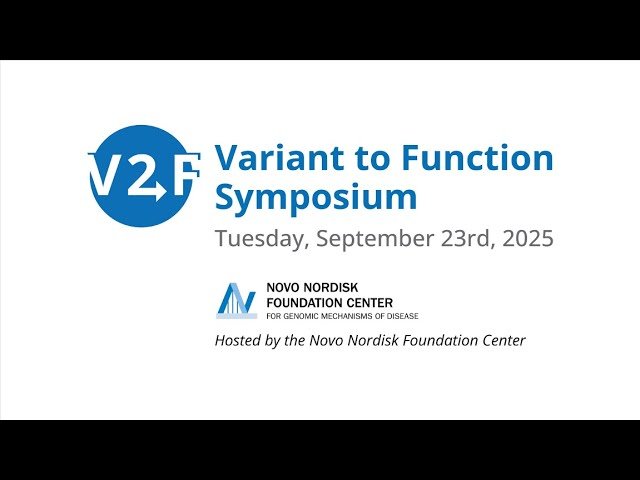
Watch a keynote presentation from the Variant to Function (V2F) Symposium exploring how artificial intelligence, machine learning, and multiplex libraries can drive the discovery of new biological functions and therapeutic approaches. Learn from George Church, Professor of Genetics at Harvard Medical School and Director of multiple genomic research centers, as he discusses cutting-edge methodologies for translating genetic variants into functional understanding and clinical applications. Discover how AI-ML technologies are being integrated with high-throughput experimental approaches to accelerate the identification of actionable therapeutic targets and biomarkers for patient stratification. Gain insights into the intersection of computational biology and experimental genomics, and understand how these approaches are advancing genetically-informed healthcare strategies. This presentation was delivered at the Broad Institute as part of a scientific symposium focused on bridging the gap between genetic associations and therapeutic development, co-chaired by leading researchers in genomic mechanisms of disease.

YouTube
Explore the groundbreaking CRISPR-Cas9 gene editing technology in this 16-minute TED talk by geneticist Jennifer Doudna. Learn how this revolutionary tool allows scientists to make precise edits to DNA strands, potentially leading to treatments for genetic diseases. Discover the mechanics behind CRISPR-Cas9 and consider the ethical implications of its use, including the possibility of creating "designer babies." Join Doudna as she calls for a pause in the scientific community to discuss the ethical considerations surrounding this powerful new technology.

YouTube
Explore a groundbreaking approach to understanding the brain in this 18-minute TED talk by geneticist Steven McCarroll. Delve into the challenges of comprehending the billions of specialized cells within this complex organ and the resulting slow progress in treating brain illnesses. Discover how McCarroll and his team at Harvard Medical School are leveraging big data and advanced computing technologies to decode the intricacies of the brain. Learn about their innovative methods for identifying crucial cells and molecules involved in various brain disorders. Gain insights into how this data-driven scientific approach is paving the way for new opportunities in mental illness treatment and potentially revolutionizing our understanding of the human brain.

YouTube
Embark on a fascinating journey through time and science in this hour-long lecture from The Royal Institution. Explore the groundbreaking work of geneticist Turi King and her team as they unravel the 500-year-old mystery surrounding the remains of King Richard III. Delve into the excavation process, historical context, and cutting-edge genetic techniques used to identify the skeleton found beneath a Leicester parking lot. Learn about Richard III's life, his physical characteristics, and the fatal injuries that led to his demise. Discover the intricate process of finding living relatives and the DNA analysis that confirmed the king's identity. Gain insights into questions of paternity, genetic reconstruction for facial features, and even uncover some of Richard III's surprising celebrity descendants. This captivating presentation offers a unique blend of history, archaeology, and modern genetics, demonstrating how science can shed light on centuries-old mysteries.

YouTube
Learn about the genetic basis of autism spectrum disorders through this research lecture that explores rare genetic variants and their role in autism. Delve into cutting-edge findings presented by geneticist Evan Eichler as he discusses the latest discoveries in autism genetics, focusing on rare genetic variations and their implications for understanding the condition's biological foundations. Examine current research methodologies, key findings, and potential implications for future autism research and treatment approaches during this 71-minute scientific presentation.
YouTube
Explore groundbreaking research in preventive medicine through this 11-minute TED talk by geneticist and physician Robert C. Green. Discover how comprehensive DNA sequencing and analysis of healthy newborns can reveal hidden risks for treatable conditions before symptoms appear. Learn about the world's first study to sequence newborn DNA and understand how this revolutionary approach shifts medicine from reactive treatment to proactive prediction and prevention. Gain insights into the future of healthcare where genetic information becomes a powerful tool for early intervention and improved health outcomes throughout a person's lifetime.

YouTube
Explore the transformative potential of artificial intelligence in healthcare through this thought-provoking 48-minute talk from The Aspen Institute. Delve into cardiologist, geneticist, and digital medicine researcher Eric Topol's insights from his book "Deep Medicine," as he discusses with David Brooks how AI can paradoxically restore humanity to medical practice. Discover how automating routine tasks could create more time for meaningful doctor-patient interactions, potentially reducing physician burnout, empowering patients, and revolutionizing healthcare delivery. Gain valuable perspectives on the intersection of technology and compassionate care, recorded during the Aspen Ideas: Health event in Colorado.

YouTube
Explore key developments in genetic aortopathy through this conference session from the 2023 Rare Cardiac Conditions Conference, moderated by cardiac surgeon Dr. Munir Boodhwani and medical geneticist Dr. Julie Richer. Learn about the latest updates from the 2022 AHA/ACC guidelines presented by Dr. Kenza Rahmouni, followed by an engaging group discussion. Gain insights into bridging the evidence gap in aortic disease through Dr. Boodhwani's presentation on the TITAN clinical trials, concluding with an interactive discussion period. Delve into this comprehensive 92-minute session from the University of Ottawa Heart Institute that combines expert presentations with collaborative dialogue to advance understanding of genetic aortopathy diagnosis and treatment approaches.

YouTube
Explore the ethical implications and scientific challenges of human space exploration in this thought-provoking 52-minute talk by geneticist Christopher E Mason. Delve into the moral duty of exploring other planets, the potential for redesigning human biology for space habitation, and a 500-year plan for reengineering human genetics. Learn about NASA missions, planetary protection projects, and the intersection of genetics, space exploration, and long-term human survival. Gain insights into multiomics analysis, upcoming space missions, planetary genomics, and the concept of planetary liberty. Examine the scientific and philosophical arguments for why humanity should pursue interplanetary exploration and colonization.

YouTube
Explore the life and groundbreaking work of Seymour Benzer, a pioneering American physicist, molecular biologist, and behavioral geneticist, in this hour-long archival interview. Delve into Benzer's journey from his roots in Brooklyn to his significant contributions in physics, phage genetics, and Drosophila research. Discover his innovative counter-current technique, insights into circadian rhythms, sexual behavior, and learning in fruit flies. Learn about his research on the eye, aging, and neurological disorder models. Gain a comprehensive understanding of Benzer's multifaceted scientific career and its lasting impact on neuroscience, as part of the Society for Neuroscience's "The History of Neuroscience in Autobiography" series.

YouTube
Join veterinary geneticist Dr. Danika Bannasch in a 59-minute webinar exploring the fascinating world of chondrodystrophy in dogs. Discover how this condition, characterized by shorter legs and intervertebral disc disease, has been historically classified in veterinary medicine. Learn about groundbreaking research revealing two distinct genetic variants responsible for short-legged phenotypes in dogs, with only one variant affecting intervertebral discs. Gain insights from Dr. Bannasch's extensive expertise as a professor at UC Davis School of Veterinary Medicine and her background in molecular biology from Princeton University, as she explains the genetic foundations and implications of this widely observed canine trait.

YouTube
Explore new perspectives on type 2 diabetes in this 59-minute Broad Discovery Series lecture presented by physician-geneticist Miriam Udler and computational and cellular biologist Melina Claussnitzer. Delve into the genetic insights revealing multiple subtypes of type 2 diabetes, challenging the traditional view of the disease. Learn how these genetic discoveries are helping doctors and scientists better understand the varied patient experiences and potentially revolutionize treatment approaches. Gain valuable knowledge about the latest research using genetics as a springboard to uncover the underlying mechanisms of type 2 diabetes and its potential implications for patient care. This informative talk, presented in memory of Eliana Hechter, offers a cutting-edge look at the future of diabetes research and treatment.

YouTube
Explore the fascinating question of human uniqueness in this thought-provoking lecture by geneticist and science communicator Dr. Adam Rutherford. Delve into the paradox of human biology being indistinct from all life, yet our perception of ourselves as special beings. Discover how many traits once considered exclusively human are shared by other species, including communication, tool use, and non-reproductive sex. Examine the evolution of human culture and its unparalleled complexity in nature. Learn about the interconnectedness of all life on Earth, spanning four billion years and encompassing a billion species. Gain insights into the latest scientific understanding of what truly sets humans apart in the animal kingdom.

YouTube
Explore the fascinating world of DNA in genealogy and forensics with Professor Turi King, renowned geneticist and BBC's favorite genealogist. Delve into the rise of DNA usage in tracing family histories and solving criminal cases, including the groundbreaking identification of King Richard III's remains. Learn about the first immigration case involving DNA evidence and gain insights into the revolutionary impact of genetic research on modern science. Discover how DNA analysis is transforming fields such as disease research, forensics, and animal conservation. Gain a unique perspective on the intersection of genetics with history, archaeology, anthropology, and forensics from an expert who has conducted pioneering research in genetic genealogy for over two decades.