

Courses
Discover thousands of courses from top institutions and platforms worldwide
Level
Course Type
Duration
YouTube
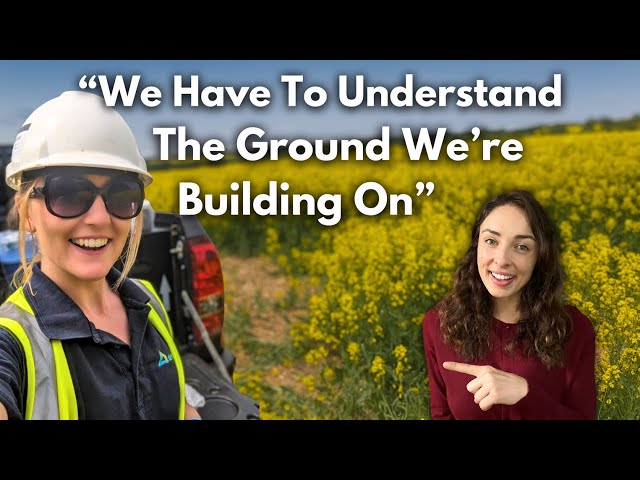
Explore the career path of geotechnical engineering through an in-depth interview with practicing professional Saskia Elliott in this 50-minute video. Learn what geotechnical engineering entails and how it differs from geo-environmental consulting, while discovering the critical importance of this field in construction and infrastructure development. Understand the day-to-day responsibilities and weekly routines of geotechnical engineers, including whether the role emphasizes more geology or engineering principles. Discover the inspiration behind pursuing this career path and hear about both the coolest and most challenging experiences encountered in the field. Examine how geotechnical engineers make a meaningful difference in their communities and the environmental considerations that factor into their work. Understand the collaborative nature of the profession by learning about the various professionals geotechnical engineers work with most frequently, and explore the essential role geology plays in construction and engineering projects. Address common questions about emergency and community services provided by this field, emerging technologies transforming geotechnical work, and the increasing availability of remote and accessible job opportunities. Navigate unexpected challenges in the profession, including specific issues related to building renewable energy infrastructure, and learn about methods for testing material and ground stability. Gain comprehensive insights into the educational and training requirements for entering this career, including whether Professional Geologist (PG) or Professional Engineer (PE) certifications are necessary, and whether to major in geology, engineering, or other related fields. Conclude with an honest discussion of both the least favorite and most rewarding aspects of working as a geotechnical engineer.

YouTube
Explore the cutting-edge technologies and engineering challenges involved in designing and scaling up offshore wind farms to meet net zero targets. Delve into the geotechnical aspects of offshore wind energy with Professor Susan Gourvenec as she discusses the secret superpowers of the seabed, from microscale sediments to turbine foundations. Learn about emerging technologies enabling the design and construction of offshore wind farms at unprecedented scale, pace, and accuracy. Gain insights into the interdisciplinary nature of offshore engineering, including ecological, heritage, governance, and end-of-life management considerations for responsible ocean interventions.

Swayam
ABOUT THE COURSE: The course covers application of principles of Earthquake Engineering to Soil Mechanics and Geotechnical Engineering. First, a required basic background related to Earthquake Engineering will be taught, this will start from geotechnical issues during earthquakes, relevant damages and subject introduction. Next, some background related to engineering seismology will be discussed followed by strong ground motion and wave propagation. Two most important topics: dynamic soil properties and liquefaction of soils will be covered in much detail. The course will also cover ground response analysis and local site effects. Further slope stability, landslides and retaining walls will be taught. Finally soil improvement for seismic mitigation will be covered.INTENDED AUDIENCE: Students pursuing BE/ B Tech (Civil Engineering), ME / MTech or PhD in Geotechnical / Structural Engineering. Faculty members teaching these students and practicing engineers dealing with geotechnical issues. PREREQUISITES: Soil Mechanics / Geotechnical EngineeringINDUSTRY SUPPORT: NPCIL, BHEL, THDC, NTPC, NHPC, ONGC, RDSO, RVNL, CPWD, NBCC, L&T, KELLER, Fugro, Maccaferri, GENSTRU, STRATA etc.

Swayam
ABOUT THE COURSE: Geotechnical Engineering-II, a follow up course of GE-I and broadly designed to help students getting a better picture of practice of geotechnical Engineering to solve the real-life problem. Also this course is highly recommended for practicing consultants and engineers.INTENDED AUDIENCE: Civil Engineers.PREREQUISITES: Geotechnical Engineering-I.INDUSTRY SUPPORT: All companies and organization that deal with the Civil infrastructure development and research.

YouTube
Instructor: Prof. Deepankar Choudhury, Department of Civil Engineering, IIT Bombay. This course introduces the fundamental concepts of earthquake engineering related to geotechnical problems, principles of earthquake, wave propagation, dynamic soil properties, liquefaction and seismic design of various geotechnical structures. This course focuses on seismic hazard analysis which includes both Probabilistic Seismic Hazard Analysis (PSHA) and Deterministic Seismic Hazard Analysis (DSHA), followed by site response analysis. Also, behaviour of various geotechnical structures such as shallow and deep foundations, retaining structures, slopes, ground anchors, waterfront retaining structures, reinforced soil-wall, tailing dam due to earthquake loading are discussed with reference to codal provisions. The course material on Geotechnical Earthquake Engineering will be very useful to the post-graduate students, researchers, teachers and practitioners. A number of selected problems will be solved to illustrate the concepts clearly.

YouTube
The first course in soil mechanics generally introduces the fundamental concepts, principles to the undergraduate students of civil engineering. This course "Advanced Geotechnical Engineering" goes deeper into the various aspects of soil mechanics along with bringing out the advanced theories and practical knowledge of geotechnical engineering. Each topic will be developed in logical progression with up-to-date information with reference to recent developments. The topics cover Soil formation; Soil structure; Clay mineralogy; Soil compaction, Consolidation, Shear strength, stability of slopes, loads on pipes. Other topics which will be covered are Geotechnical Physical modeling methods; Application of centrifuge modeling and its relevance to geotechnical engineering; Centrifuge modeling of geotechnical structures. The advanced course material on advanced geotechnical engineering will be very useful to undergraduate students, post-graduate students, researchers, teachers and practitioners. A number of chosen problems will be solved to illustrate the concepts clearly.

Coursera
The Geotechnical Foundation Design specialization provides a structured learning path to master essential concepts in foundation engineering, covering site investigation, shallow foundation analysis, and pile foundation design. You will gain expertise in field and laboratory testing methods, including SPT, SCPT, DCPT, and Plate Load Tests, along with key code provisions to interpret site investigation reports and assess liquefaction susceptibility. The specialization explores the selection, analysis, and design of shallow foundations based on soil and rock conditions, including bearing capacity and settlement calculations using field test data. Hands-on experience with PLAXIS 2D software enables practical foundation analysis, while additional topics such as raft foundations, special foundation considerations, and grade slab design under varying loads provide a comprehensive understanding. Pile foundation design is covered in depth, including different pile types like bored cast-in-situ, precast driven, and under-reamed piles, their behavior in diverse geotechnical conditions, and essential testing methods for validating foundation performance. By the end of this specialization, you will be proficient in geotechnical foundation design, equipped with theoretical knowledge and practical skills to tackle real-world engineering challenges.

Swayam
ABOUT THE COURSE:The course will focus on the design of geotechnical structures under earthquake condition. The determination of the soil properties by field and laboratory tests for seismic design of geotechnical structures will also be discussed. Soil liquefaction and soil improvement techniques for remediation of seismic hazards like liquefaction will be discussed. In the undergraduate core courses, these topics are either not covered or discussed in simplified form. In the proposed course, these topics will be discussed in detail. This course is useful for both UG and PG student. Field Engineers can be benefited from this course as the design of geotechnical structures under seismic condition (those are not generally covered in UG core foundation engineering course) will be discussed here.INTENDED AUDIENCE: UG and PG students. Research Scholars and Practicing Engineers can also take this course.PREREQUISITES: BE Students can take after completing third year or after completing "Soil Mechanics" and "Foundation Engineering" courses. ME and PhD students can take during first year of their course work.INDUSTRY SUPPORT: Most of the Civil Engineering companies

Swayam
Broadly Geotechnical Engineering encompasses two distinct segments: Soil Mechanics and Foundation Engineering. Soil Mechanics deals with study of physical properties of soils, and the relevance of these properties as they affect soil strength, stability, and drainage. Foundation engineering deals with (i) selection of foundation type based on building site conditions and site constraints, (ii) determining size and reinforcement of the foundation and (iii) finally construction of foundation element. This course will focus on the first, soil mechanics. Soil Mechanics is the basis for all geotechnical applications.. One has to learn basic principle of geotechnical engineering through soil mechanics and it is a core course for civil engineering in every college/university across the globe. Every aspect of soil mechanics starting from origin of soil to stability of soil slopes will be covered with great detail under this course.INTENDED AUDIENCE :Civil EngineeringPREREQUISITES :Engineering MechanicsINDUSTRY SUPPORT :Most of the Civil Engineering companies

Udemy
The first course in the COGAN (Competency in Geotechnical Analysis) e-learning series What you'll learn: Define the aims of a geotechnical numerical modelDevelop the geometry of an analysis model and apply appropriate simplificationsSet up appropriate initial states and construction stagesSelect appropriate models and parameters to simulate ground behaviourSelect appropriate groundwater and drainage conditionsJudge whether analysis outputs are reasonably accurateSelect appropriate elements and material models for structures This course teaches you the decision-making process when setting up a geotechnical numerical model as well as how to add structural elements in soil-structure interaction problems appropriately. It is the first software-neutral e-learning course in this field and is aimed at novice users of the software in both academia and industry. The first section contains 13 lectures structured in the normal sequence of setting up a geotechnical numerical model, from planning the analysis to reporting the results at the end. The first six lectures focus on setting up the model geometry including rationalising the geometry, the 2D plane strain and axisymmetric assumptions, boundary conditions and mesh generation. This is followed by a self-test quiz with feedback provided on your answers. Another seven lectures then follow covering the input parameters that need to be provided including constitutive model selection and setting up the initial state and subsequent construction stages. We end with the important stages of validating the analysis results and presenting the input and output data in a report. These lectures are also followed by a self-test quiz.The second section contains five lectures on modelling structural elements, including the different element types and modelling concrete and steel materials. There is also a worked example on deriving input parameters and interpreting output for structural elements in plane strain and axisymmetric models.All the lectures use videos with 3D graphics and a commentary by our tutor to illustrate many of the complex geometrical concepts that are explained in this course in an engaging way.On completing this course you will be able to prepare geotechnical numerical analyses more confidently, avoiding many of the common errors of novice users. You will gain valuable skills in geotechnical numerical analysis – a method whose use in geotechnical design is growing rapidly.

YouTube
Explore the applications of Machine Learning in geotechnical engineering through this informative webinar hosted by Prof Majid Nazem of RMIT University, Melbourne, Australia. Discover how to generate training sets using OPTUM G2 and learn about the applicability of various Machine Learning techniques in geomechanics problems such as slope stability, load bearing capacity of piles, dynamic penetration, and predicting soil properties. Gain insights into the advantages of AI models over statistical models in predicting soil behavior, particularly in complex problems with highly nonlinear relationships among influential parameters. Understand the principles behind Machine Learning approaches in AI and their potential to revolutionize geotechnical engineering practices.

Udemy
Master core soil mechanics principles for real-world design, consultancy, and construction projects What you'll learn: Brief on Soil Mechanics: Particle size Analysis, Index properties of SoilSoil Classification, Soil CompactionConsolidation and Shear StrengthExtra Resource (Booster for Expert learning) Complete Course on Soil Mechanics and Geotechnical ApplicationsThis comprehensive course delivers in-depth knowledge of soil mechanics and its practical geotechnical applications. It is designed for undergraduate and postgraduate civil engineering students, research scholars, industry professionals, and consultants who aim to build strong theoretical understanding and real-world competence in geotechnical engineering.Through detailed lessons and practical insights, learners will explore the fundamentals of soil behavior, laboratory and field tests, and geotechnical analysis techniques used in design and construction. The course links theory to practice by introducing case-based applications, soil-structure interaction, and performance analysis in varied ground conditions.Topics include:Soil classification systems and index propertiesCompaction, permeability, and seepageConsolidation and settlement analysisShear strength and Mohr-Coulomb failure criteriaEarth pressure theories and slope stabilitySite investigation techniques and field testingWhat You’ll LearnAnalyze soil behavior under various loading and environmental conditionsPerform classification and interpretation of soil dataApply key theories to calculate settlement, bearing capacity, and slope safetyUse lab and field testing results in design decisionsTackle geotechnical problems with practical approaches and modern standardsRequirementsBackground in basic civil engineering or soil mechanicsAccess to calculator or spreadsheet tools for problem-solvingInterest in geotechnical analysis or designWho This Course Is ForCivil engineering students (UG and PG levels)Geotechnical consultants and site engineersResearch professionals and design engineersLab instructors and technical trainersProfessionals preparing for GATE, ESE, or competitive examsCourse FeaturesLifetime access to all course materials and future updatesInstructor support through Q&A sectionDesign examples, solved problems, and field applicationsCertificate of Completion from Udemy30-day money-back guaranteeStudent Reviews“Wonderful teaching. The way of teaching is very good.” – Binay Kumar “Excellent teaching of the subject.” – Devananth “Smooth and informative so far.” – Ushnish Dutta “A great way to understand complex topics easily.” – Ajay Naithwals and boost your career in geotechnical engineering.

Coursera
This course offers a comprehensive exploration of Mass Rapid Transit Systems (MRTS) through essential modules. Beginning with an "Introduction to MRTS," it establishes foundational principles for metro planning. The "Transit-Oriented Development (TOD)" module delves into the critical relationship between metro systems and urban development, enriched with case studies. The "Feasibility Studies" module equips participants with tools for assessing project viability. "Planning and Integration of Metro Systems" addresses challenges and strategies for coordinating various configurations. The course covers metro station planning, MEP systems imparting practical knowledge for successful metro projects and contribute to sustainable urban development and efficient public transportation. Target Learners: • Undergraduate students of Civil Engineering • Post-Graduate Students of Transportation and Geotechnical Engineering • Practicing Civil, Transportation and Geotechnical Engineers Prerequisites: • Geotechnical Engineering • Fundamentals on Structural Analysis • Basics on RCC Design

Udacity
Build the skills needed to outsmart cyber threats. This Nanodegree teaches you how to secure infrastructure, assess vulnerabilities, and apply top industry practices to protect your organization from digital attacks.

edX
The Empathetic Engineer is a course that will enhance your capacity to harness your technology and problem-solving skills to deliver high impact, innovative solutions that address compelling social and environmental needs. It is a course that puts people, planet and nature at its core, enabling you to generate new levels of value for the markets or communities you serve, without compromising our world today or in the future. There has never been a more exciting time for engineers to make an impact at scale. We have a perfect storm of need and technological capability. We have the immense challenge of climate change, alongside a desperate need to create a more sustainable and equitable model of consumption and production. But we are also at the top of a wave of innovation, the likes of which have not been seen for around 120 years, where many distinct areas of technological progress are transforming our capacity to address the immense challenges we face. The challenges we face are systemic and our responses must be, too. Week by week, the course will take you through the 6 phases of the process we use, from first scoping a challenge you want to focus upon, researching it, drawing on those insights to generate a clear set of goals and ambitions, igniting your creative capacity to develop novel and exciting concepts, selecting, testing and refining them along with the business model before implementing an innovative solution, that addresses a compelling need. At the end of the course, you should be able to: Demonstrate theoretical and practical understanding of the different stages of the empathetic engineering approach in the context of engineering design projects. Analyse the socio-cultural, environmental, and economic factors that need to be considered in the given context. Apply the principles, methods and tools to an engineering design project to deliver more effective and measurable outcomes. Optionally, develop a project proposal that spans technological, socio-cultural, environmental and economic systems, including how the proposal creates and captures value for each of the relevant stakeholders. That is our goal, and we look forward to going on this journey together.

edX
As AI continues to reshape industries, demand is rising for professionals who can develop intelligent solutions that integrate seamlessly into cloud-based platforms. The AI Engineer program, developed by Microsoft and hosted on edX, equips learners with the technical knowledge and practical skills to build and deploy AI solutions using Azure AI services. Across three in-depth courses, you’ll begin with an introduction to Azure’s AI capabilities and progress to more advanced applications, including natural language processing, computer vision, and knowledge mining. You’ll also learn how to use services such as Azure OpenAI, Cognitive Services, and Azure Machine Learning to build enterprise-grade AI solutions. This program is ideal for software developers, cloud engineers, and data professionals looking to deepen their expertise in cloud-based AI. With hands-on labs, real-world use cases, and a focus on responsible AI design, this program sets you up for success in AI engineering roles and serves as a strong foundation for Azure AI certification paths.

edX
The Data Engineer program prepares you for one of the most in-demand roles in modern data infrastructure. Developed by Microsoft, this comprehensive program teaches you how to design, implement, and manage data solutions in the cloud using Azure Synapse Analytics, Apache Spark, and Azure Stream Analytics. You’ll gain hands-on experience building serverless SQL queries, performing large-scale data transformations, integrating hybrid transactional and analytical processing (HTAP), and implementing real-time streaming solutions. Whether you're transitioning into data engineering or looking to deepen your expertise in Azure's data ecosystem, this program provides the technical foundation and practical skills to support enterprise-grade data solutions.

edX
This program focuses on demonstrating your ability to build functional and effective applications, showcasing your skills and knowledge throughout the application development process. Emphasis is placed on practically applying learned concepts to real-world scenarios, validating your competence in app development. You will gain a comprehensive understanding of securing core cloud infrastructure across network, compute, storage, and database components. Learn fundamental network security principles, including implementing controls, managing traffic, deploying firewalls, configuring secure virtual networks, and using segmentation to protect resources. Explore tools and services to monitor and defend against threats, enabling you to design and maintain a secure network architecture. Additionally, you will delve into securing virtual machines, data at rest and in transit, and databases using best practices such as access control, encryption, and threat mitigation. Acquire the knowledge and hands-on skills necessary to manage and enhance an organization's security operations. This course covers key principles like risk assessment, incident response, and the strategic use of security technologies. You will learn how to monitor security events, analyze threats, and ensure compliance with industry standards. With a strong focus on real-world application, this course provides a solid foundation for effectively leading or supporting security operations.

Udemy
Master the Art of Sales and Technology to Drive Business Success as a Sales Engineer and Solutions Engineer What you'll learn: Feel confident preparing for a discovery call & sales demoUnderstand the sales process and how to master itReview basic technical concepts to understand industry trendsMaster interview responses to land your first technical sales positionDevelop a successful resume and Linkedin profile to improve your chance of an interviewShadow real interview responses and live demos of sales engineering The Sales Engineer and Solutions Engineer: Sales & Tech Training course is designed to equip individuals with the necessary knowledge and skills to become successful sales engineers in the technology industry. This comprehensive course covers a wide range of topics, including sales, engineering, and technical skills, to prepare learners for the diverse responsibilities of a sales engineer.Through this course, you will gain an understanding of the role of a sales engineer and the importance of effective communication, problem-solving, and technical expertise in the field. You will also learn about the sales process and how to leverage technical knowledge to identify customer needs and develop effective solutions.In addition, this course provides an overview of various technologies, including cloud computing, APIs, and cybersecurity, and how they can be used to meet customer needs. Throughout the course, you will have access to practical exercises that will enable you to apply the concepts you have learned to real-world scenarios. By the end of this course, you will have developed the skills and knowledge required to become a successful sales engineer and solutions engineer in the technology industry.So, if you are interested in pursuing a career as a sales engineer, this Sales Engineer and Solutions Engineer: Sales & Tech Training course is the perfect starting point for you. Enroll now and take the first step toward a rewarding career in the tech industry!

Udacity
Learn how to build and program intelligent robots with this Robotics Software Engineer Nanodegree. Master ROS, path planning, and environment mapping through projects led by experts.