

Courses
Discover thousands of courses from top institutions and platforms worldwide
Level
Course Type
Duration

Coursera
The lending industry is undergoing a rapid transformation, with Generative AI (GenAI) at the forefront of innovation. This course, designed specifically for loan officers and lending professionals, provides a hands-on, practical roadmap for integrating GenAI tools across the entire lending workflow—from the first customer interaction to final loan approval and ongoing client management. You’ll learn how to use AI-powered solutions to streamline application intake, automate customer communication, enhance credit risk assessment, review documents for compliance, and optimize workflow automation. The course is structured around real-world scenarios and uses only trial-accessible, user-friendly tools, ensuring that you can immediately apply what you learn without needing a technical or programming background. Through a blend of short instructional videos, interactive labs, and real-world case studies, you’ll gain the confidence to leverage GenAI for faster, more accurate, and fairer lending decisions. You’ll see how AI chatbots and virtual assistants can improve customer experience, how AI-driven credit scoring models can enhance risk assessment, and how document review and compliance can be automated for greater efficiency. The course also addresses the importance of ethical AI use, bias detection, and maintaining regulatory compliance, ensuring that your adoption of GenAI is both responsible and effective. This course is tailored for professionals across the lending and credit evaluation spectrum, including loan officers, underwriters, credit risk analysts, and operations teams focused on process efficiency. It is also ideal for innovation and digital transformation teams within financial services institutions who are exploring practical applications of AI to enhance the lending lifecycle. Whether working at banks, credit unions, fintech startups, or non-bank lenders, participants will benefit from actionable insights into deploying GenAI in real-world lending environments. Learners should have a foundational understanding of loan origination processes, credit analysis methods, and basic credit scoring models. Familiarity with everyday digital tools such as Excel, web applications, and CRM platforms is expected. Additionally, learners should possess basic GenAI literacy, such as experience using tools like ChatGPT, Microsoft Copilot, or similar AI assistants, to effectively engage with course content and hands-on labs. By the end of this course, learners will be able to apply Generative AI tools to streamline loan application intake and enhance customer communication workflows. They will learn how to leverage AI-driven models to support more accurate credit scoring and risk assessments. The course also equips participants to automate and optimize key steps in the lending process while upholding ethical standards, reducing bias, and ensuring regulatory compliance through human-in-the-loop strategies.
Corporate Finance Institute
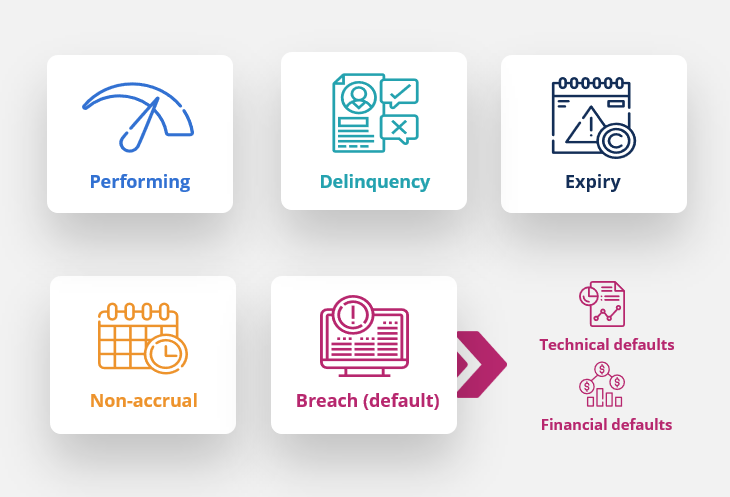
Problem Loans Course OverviewProblem Loans present many unique challenges for a financial institution. This course examines what constitutes a problem loan specifically and problem files more generally. We’ll look at the commercial borrowing relationship holistically to help identify the different ways that a client’s standing might deteriorate. Next, we’ll review different loan classifications before using an example pricing model in Excel to demonstrate how deteriorating risk on a file can affect a lender’s profitability. Next, we look at how an individual loan officer or credit analyst can differentiate between problem loan symptoms and their underlying causes to help identify early warning signs much more effectively and to get ahead of problem files before they become a serious financial burden for the firm. Finally, we explore some of the options a lender has when trying to work through a problem file, including an in-depth look at an example Watch Report.Problem Loans Learning ObjectivesUpon completing this course, you will be able to:Define what a problem loan is.Compare different categories of problem loans (and client files). Interpret how problem loans can affect profitability for a financial institution.Explain the difference between the symptoms and the causes of problem loans.Detect problem loans more proactively by applying a systems thinking framework.Compare the different options a lender has when working with a problem file. Who Should Take This Course?This Problem Loans course is designed for current and aspiring commercial banking professionals, including relationship managers or loan officers, credit analysts, loan brokers, and adjudicators. This course will prepare you with the knowledge and skills you need to properly handle difficult borrower situations.
Corporate Finance Institute
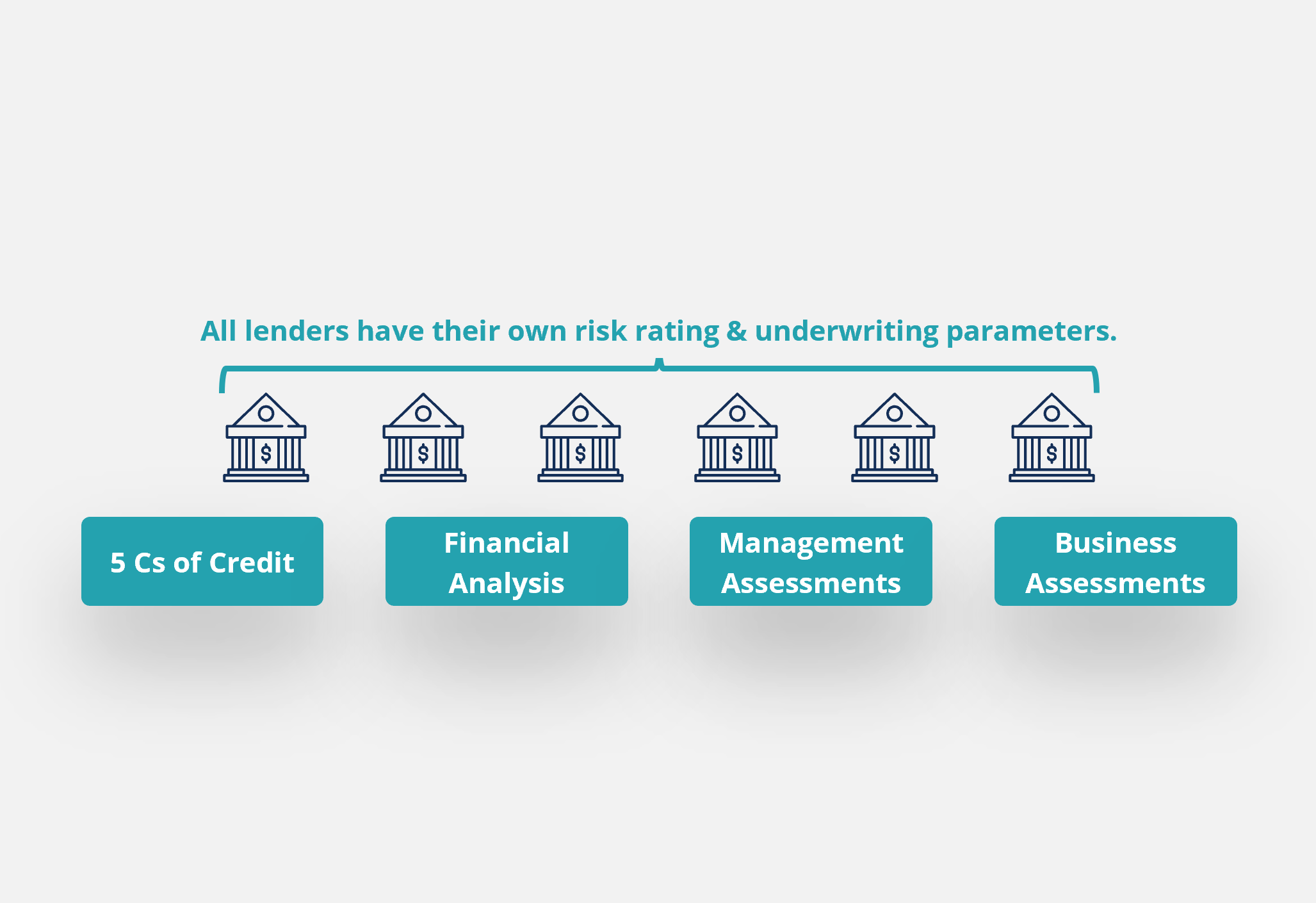
Loan Pricing Course Overview This Loan Pricing course looks at the fundamentals and factors banks consider when pricing a loan. We will examine how interest rates, loan structures, and different characteristics of a loan can affect the loan’s pricing. This Loan Pricing course will also explore how a bank earns revenue and what affects its profitability. This course will include an interactive case study that shows you a practical demonstration using a risk rating and profitability model in Excel. We will also cover different levers that a credit analyst can use during client negotiations and how they can affect the pricing and profitability of a loan. Loan Pricing Learning Objectives Upon completing this course, you will be able to: Explain debt as a funding source, its pros, and its consIdentify loan types and their relative degree of profitabilityDefine risk-adjusted return, and risk-adjusted return on capitalCalculate and interpret an example risk ratingRecommend pricing structures based on risk rating and loan type Who should take this course? This Loan Pricing course is designed for current and aspiring Commercial Banking and lending professionals, including Relationship Managers, Credit Analysts, and Risk Management professionals seeking a more comprehensive understanding of loan pricing and profitability. This course provides a real-world perspective and a hands-on case study outlining how a financial institution would evaluate a client’s default risk and how they might structure borrowing accordingly to optimize risk-adjusted return on capital. The practical exercises, case study, and tools explored in this course will be useful for any credit professional or financial analyst that wishes to work in private lending, business banking, commercial banking, or corporate banking.
Corporate Finance Institute
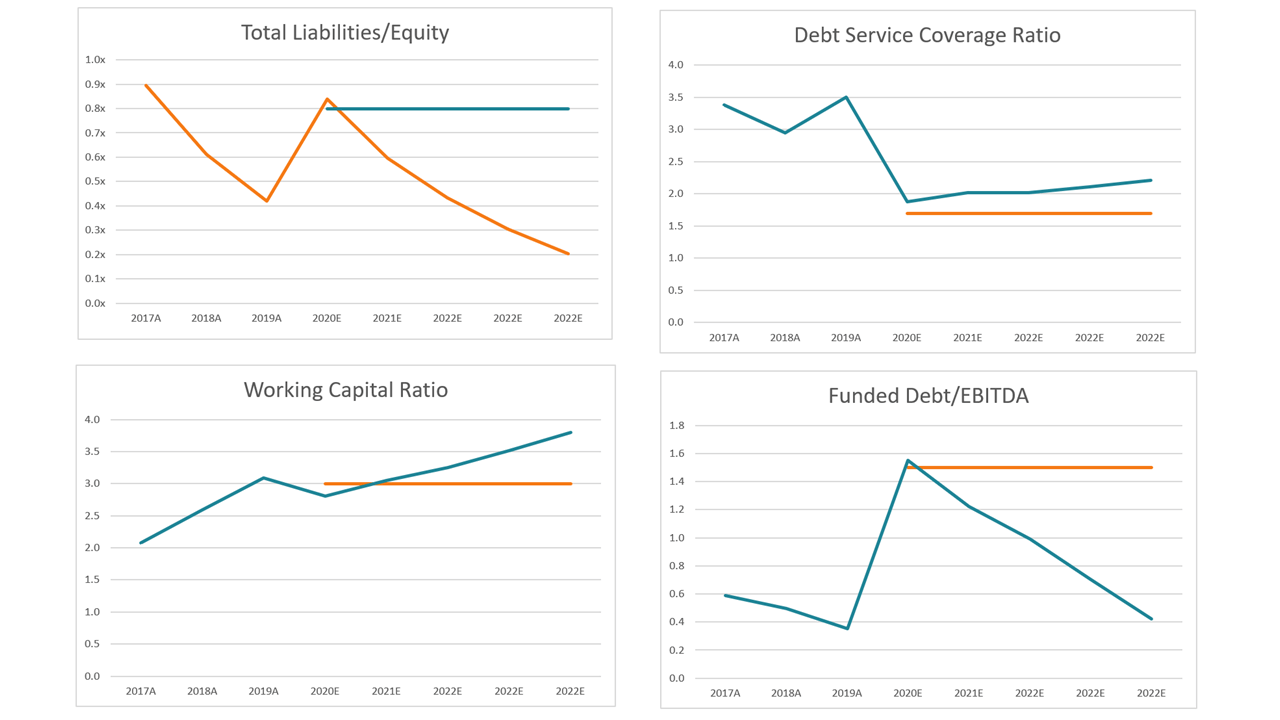
Loan Covenants Course Overview In this Loan Covenants course, we will demonstrate how loan covenants are used in the lending process. We will start this course by defining covenants and discussing how they benefit both the lender and the borrower. We will then compare different covenants and discuss what a credit analyst should do in case of a covenant breach. After that, we will discuss key financial covenant ratios such as total liabilities to equity ratio (debt-to-equity), debt service coverage ratio (DSCR), working capital ratio, and debt to EBITDA ratio. We will explain what these ratios are, how to calculate them, and how they are used in evaluating a company’s creditworthiness. Finally, we will complete a case study where you need to build a covenant model in Excel. We will calculate a company’s key credit metrics based on the historical and forecast financial statements. We will compare these metrics to the covenants that are set for this business and are suitable for the loan. Loan Covenants Learning Objectives Upon completing this course, you will be able to: Understand the key concepts of covenants in a loan agreementExplain different types of loan covenantsCalculate key financial covenant metricsUse a financial model in Excel to model financial covenants Who should take this course? This Loan Covenants course is perfect for any aspiring credit analyst working in insurance, underwriting, rating agencies, commercial lending, corporate credit analysis, and other areas of credit evaluation.

Corporate Finance Institute
Loan Security Course Overview This loan security course will teach you how to manage the risk of a loan by using security. We will discuss different types of security, including General Security Agreement (GSA), guarantees, fixed charge and floating charge security, and various types of assets used as collateral. Then, we will explore how to evaluate the quality of the security. We will look at a real-world example for each type of security and demonstrate how to identify the best security for the loan application. Finally, we will discuss the role of legal counsel and security registration and documentation. Loan Security Learning Objectives Upon completing this course, you will be able to: Compare different types of security and assets used as securityDetermine the security value of different assets based on MAST principlesIdentify the most appropriate security to minimize the risk of the loanDiscuss the role of legal counsel and the importance of legal representation Who should take this course? This loan security course is perfect for any aspiring credit analyst working in insurance, underwriting, rating agencies, commercial lending, corporate credit analysis, and other areas of credit evaluation.

XuetangX
This online course aims to help students to learn the etiology, pathogenesis, pathological changes, progress and outcomes of diseases. This course will provide the theoretical basis for the diagnosis and treatment of disease. Hence, it is the bridge between basic science and clinical medicine and the very fabric that underpins clinical medical practice. we insist on setting the curriculum objectives and optimizing the curriculum structure in the perspective of Competency-based Medical Education(OBE), and effectively help students learn actively Strengthen the cultivation of students' competence.

YouTube
Dive into the world of React.js with this comprehensive conference recording from React Amsterdam 2018. Explore a diverse range of topics presented by industry experts, including reactive programming, state management, GraphQL integration, and component development. Learn how to leverage D3 with React, create inclusive applications, and scale GraphQL on AWS. Discover new approaches to React 16, mixed-mode React, and the latest in open-source developments. Gain valuable insights and practical knowledge to enhance your React.js skills and stay up-to-date with the latest trends in the React ecosystem.

YouTube
Embark on a comprehensive journey through the fundamental principles of chemistry with this 8-hour video series. Explore a wide range of topics, from the basics of matter and atomic theory to advanced concepts like quantum mechanics, thermodynamics, and electrochemistry. Learn about chemical bonding, stoichiometry, gas laws, and solution chemistry. Dive into the intricacies of acid-base reactions, redox processes, and nuclear chemistry. Gain practical skills in chemical nomenclature, problem-solving, and data analysis. Ideal for high school and college students, as well as curious beginners, this series provides a solid foundation in the central science, preparing you for further studies or simply satisfying your scientific curiosity.

XuetangX
General ChemistryChapter 1: The Foundations of Chemistry1.1 Basic Concepts1.2 Gases, Liquids and Solutions1.3 Errors and Significant DigitsChapter 2: Atomic Structure and the Periodic Properties of Elements2.1 The Law of the Motion of Microscopic Particles2.2 The Schrödinger Equations2.3 Radial Distribution Functions2.4 Angular Distribution Functions2.5 Factors Effecting Electron Energy2.6 The Periodic Properties of ElementsChapter 3: Covalent Bond Theories3.1 Basic concepts of Chemical Bonds3.2 Lewis’ Theories3.3 Valence Bond Theories3.4 Hybrid Orbital Theories3.5 Valence Shell Electron Pair Repulsion Theories3.6 Molecular Orbital TheoriesChapter 4: Crystal Types and Intermolecular Forces4.1 Crystal Types4.2 Molecular Crystal and Intermolecular Forces4.3 Ionic Crystal and Ionic Bonds4.4 Polarization of Ions4.5 Metallic Crystal and Metallic BondsChapter 5: Preliminary Chemical Thermodynamics5.1 Basic concepts of Chemical Thermodynamics5.2 First Law of Thermodynamics5.3 Third Law of Thermodynamics5.4 Second Law of ThermodynamicsChapter 6: The Rates of Chemical Reactions6.1 Chemical Reaction Rate and Expression6.2 Effects of External Conditions on Reaction RateChapter 7: Chemical Equilibria7.1 Chemical Equilibrium Constant7.2 Shifting of Chemical EquilibriumChapter 8: Acids & Bases Equilibrium8.1 Electrolyte Solution Theories8.2 The Development of Acids & Bases Theories8.3 Weak Acids & Bases Ionization Equilibria8.4 Buffered SolutionChapter 9: The Equilibrium of Precipitation9.1 The Equilibrium of Precipitation9.2 Shifting of The Equilibrium of Precipitation Chapter 10: Oxidation-Reduction Reactions10.1 Oxidation-Reduction Reactions10.2 Primary Cells and Electrode Potential10.3 Thermodynamics of Cell Reactions and The Factors Affecting Electrode Potential10.4 The ApplicationsChapter 11: Coordination Compounds11.1 Basic concepts of Coordination Compounds11.2 Stereochemistry of Coordination Compounds11.3 Bonding Theories of Coordination Compounds — Valence Bond Theories11.4 Bonding Theories of Coordination Compounds — Crystal Field Theories11.5 Stability and Equilibrium Coordination CompoundsChapter 12: Elemental Commonality12.1 The Origins of Elements12.2 The Main Group Elements — s-block12.3 The Main Group Elements — p-block12.4 The Transition Metal Elements — d-block and ds-block12.5 The Rare Earth Elements — f-block

Coursera
Build a comprehensive foundation in fundamental physics principles that govern the natural world. This course provides essential expertise in classical mechanics, thermodynamics, and optics, offering practical frameworks to analyze and explain diverse physical phenomena through quantitative approaches. Learn to apply Newton's laws to complex scenarios, understand energy and momentum principles, and explore wave mechanics through simple harmonic motion. Master the first and second laws of thermodynamics with real-world applications, from microscopic atomic systems to massive engines. Discover optical phenomena including interference, diffraction, and polarization of electromagnetic waves. Whether you're pursuing engineering, physical sciences, or technical careers requiring analytical problem-solving, this course equips you with the fundamental physics knowledge used by scientists and engineers to understand, predict, and optimize physical systems across all scales of nature.

Study.com
Use this self-paced course to explore the field of anthropology. You can study these short lessons and quizzes at any time to catch up on information you missed in class, study for upcoming exams, bring up your grades or check your understanding of fundamental anthropology topics.

Coursera
Build a strong foundation in biological sciences—from molecular mechanisms to complex physiological systems. This course covers essential concepts in cell biology, genetics, and human anatomy, providing practical frameworks to explore life processes through scientific inquiry and experimentation. Learn to apply the scientific method, understand cellular structures and energy transformations, and master genetic principles from Mendelian inheritance to epigenetics. Explore biotechnology applications such as recombinant DNA, genetic engineering, and cloning that drive modern medicine and research. Study human systems—circulatory, respiratory, digestive, nervous, endocrine, immune, and reproductive—to see how they maintain homeostasis and adapt to change. Gain expertise in cell division, cancer biology, and immune defenses. Whether you aim for a career in medicine, health sciences, biotechnology, or research, this course equips you with the biological knowledge and analytical skills needed to understand and solve challenges at molecular, cellular, and organismal levels.

MIT OpenCourseWare
8.962 is MIT's graduate course in general relativity, which covers the basic principles of Einstein's general theory of relativity, differential geometry, experimental tests of general relativity, black holes, and cosmology.

Swayam
Microbiology is the study of a diverse group of microscopic organisms such as bacteria, viruses, fungi and protozoa. They are generally too small to be seen without the use of microscope and hence these life forms are called the microorganisms or the microbes. They are almost everywhere and affect almost all aspects of our lives. This is a general microbiology course that is intended for students to impart the knowledge of microbial life. The course structure is based on presenting the fundamentals of microbiology i.e. the biology of bacteria, fungi, viruses and protozoa, their classification, bacterial genetics, mode of replication, bacterial photosynthesis, bacterial fermentation, microbial food spoilage and various methods of food preservation. The students will also be introduced to the microbial pathogenesis of various infectious agents that cause diseases in humans and prevention of the infection, host resistance and immunity etc.

XuetangX
General chemistry, serves as the very first chemistry course in college, builds the fundamental background for all the following courses like inorganic, organic, analytical and physical chemistry. These classes mainly discusses about the development history of chemistry. The role chemistry play in the modern world: daily life, school, factory etc., and the current situation and development prospect of chemistry. Moreover, it also includes the stoichiometry of compounds and chemical reactions, electronic structure of atoms and molecules; chemical bonding, periodic table of elements; electronic structure of atoms and molecules; correlation with the chemical reactivity of common elements, inorganic and organic compounds. Overall, the general chemistry, as a significant course, helps the students to enter the chemistry world.

Swayam
This course attempts to introduce to the nature, fields and application of psychology. Also contents cognitive process, e.g. learning and memory problem solving. In this course Conative processes involved - introduction to motivation. Freudian psychoanalysis, type and trait ; humanistic approach from personality. Students will also gain knowledge about emotions that help them to develop emotional intelligence. It also focuses on individual differences, cognitive, moral and psycho-social developmental aspects. Application of psychology in different areas also covered in this course.

YouTube
Explore a comprehensive general microbiology course covering food and water microbiology, industrial applications, and bacterial classification. Delve into food processing, preservation, and safety, including fermentation and spoilage. Examine water ecosystems, testing methods, and wastewater treatment processes. Learn about various bacterial groups, their characteristics, and identification methods using Bergey's Manual. Discover industrial microbiology concepts, including fermentation techniques, bioreactor types, and enzyme immobilization. Gain insights into bacterial growth patterns and different culture methods used in microbiology research and industry.

MIT OpenCourseWare
This course focuses on contributions of biochemistry toward an understanding of the structure and functioning of organisms, tissues, and cells. Topics include: - Chemistry and functions of constituents of cells and tissues and the chemical and physical-chemical basis for the structures of nucleic acids, proteins, and carbohydrates. - Basic enzymology and biochemical reaction mechanisms involved in macromolecular synthesis and degradation, signaling, transport, and movement. - General metabolism of carbohydrates, fats, and nitrogen-containing materials such as amino acids, proteins, and related compounds. NOTE: The first half of this course, taught by Prof. Yaffe, is available on the MITx platform as {{% resource_link "ecc701aa-4694-48fe-bf33-5234fe26ded2" "*7.05x Biochemistry: Biomolecules, Methods, and Mechanisms*" %}}. This OCW website provides content primarily from the second half with Prof. Vander Heiden, which focuses on metabolism.

Coursera
This course aims to introduce the novice learner to the essential concepts of animal histology, focusing on the structure and function of tissues in the body. Histology plays a vital role in understanding how tissues support and maintain the organism’s functions, and this course highlights their importance in health and disease. The course will cover various types of animal tissues, each with its unique structure and role. Each week, the course will explore one specific tissue type, such as epithelial tissue, glands, connective tissue, cartilage, bone, muscle tissue, nervous tissue, and the cardiovascular system. The course aims to provide a general understanding of how these tissues are structured and how they contribute to the overall function of the animal body. The role of each tissue in maintaining health, supporting physiological functions, and responding to injury or disease will also be discussed. This course will introduce the key features of each tissue type, its functions in the body, and the importance of histological knowledge in areas such as animal health, disease diagnosis, and research. By the end of the course, learners will have a basic understanding of the microscopic structures of animal tissues and their vital roles in the body.
Corporate Finance Institute
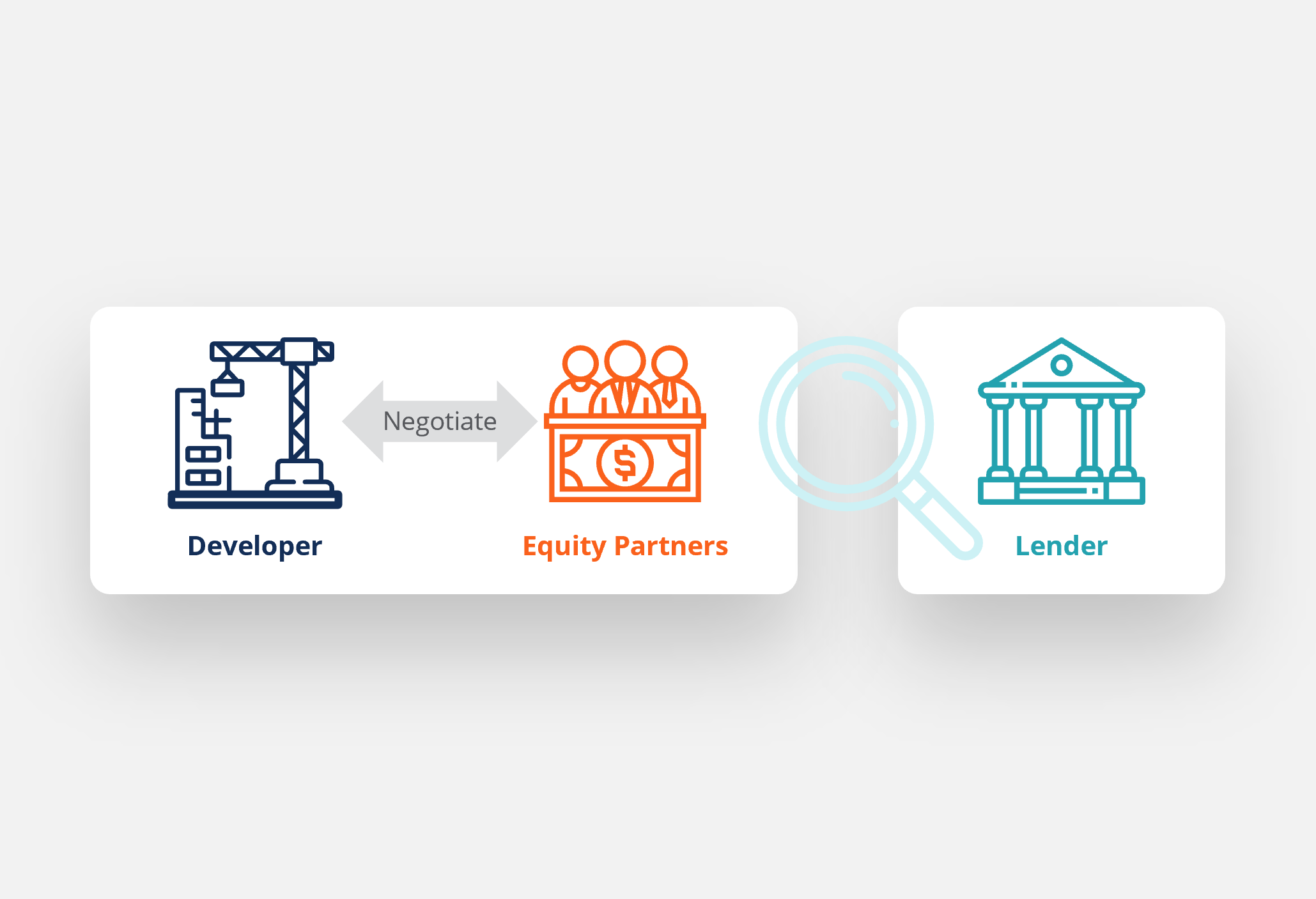
Structuring a Construction Loan Course Overview This construction loan course dives into the factors that affect the structure of a loan for construction and real estate development. In this course, we break down the line items of a construction budget and proforma. We then look at how to calculate the interest expense and maximum loan amount on the construction loan by examining the timing of spend of different line items from the construction budget. We also examine quantitative and qualitative terms in the term sheet and how they affect the structure of the construction loan. Finally, this course builds out different construction development scenarios and looks at how loan repayment works in all these scenarios. Structuring a Construction Loan Learning Objectives Upon completing this course, you will be able to: Understand the line items in a developer’s budget and derive a risk-assessed loan-to-costReview development and construction cash flows to calculate interest and financing fee values and funding mechanismsDetermine how the price of debt ties into the budget and project evaluationAppreciate how qualitative loan terms can impact loan-to-cost and interest ratesCalculate various take-out scenariosExamine how mezzanine debt and promote structures may fit into the total project assessment Who should take this course? This course is designed for current and aspiring Commercial Banking professionals in construction and real estate development. This course is also a great resource for real estate analysts and commercial mortgage brokers who wish to deepen their understanding of how construction loans are structured. By diving deeper into the lender’s perspective when structuring a loan, this course provides valuable insights for lenders, as well as brokers and advisors.