

Courses
Discover thousands of courses from top institutions and platforms worldwide
Level
Course Type
Duration

XuetangX
The course of Oil and Gas Field Exploration is currently a top-quality course in Beijing. The on-campus course is generally taught every spring semester (from the end of February to the end of April). This course is designed for third-year students majoring in Resource Exploration Engineering and has a capacity of about 110 students. This course equips students with the basic qualities of an oil and gas explorer, requiring knowledge from the university basic courses, geoscience basic courses, and professional basic courses. Due to the complexity of this comprehensive applied geology course, the knowledge reserve of students needs to be relatively high. At the end of the course, students are expected to:● Understand the relevant terms, basic concepts, and main specifications of oil and gas field exploration.● Master the division basis and division method of oil and gas exploration stages, types of oil, and gas exploration projects.● Understand the basic objects, tasks and objectives, work procedures, exploration and deployment principles, comprehensive evaluation, and decision-making at different stages of exploration projects of various types.● Comprehend the main contents, design principles and methods of geological design of exploration projects● Apply the course knowledge to carry out preliminary single project design and comprehensive exploration evaluations● Critically analyze and solve problems with a strong sense of teamwork and professionalism through clear communication. The three aspects outlining the characteristics of the course are as follows:1) The course is oriented as a core course of the Major of Resource Exploration Engineering. This course is not only the theoretical guide of oil and gas exploration, but also an applied geology. The configuration of this course is very complete, involving the theory and technology in oil and gas exploration, the principle and method of exploration deployment, the comprehensive evaluation and decision-making in the exploration process, the relevant management throughout the exploration, etc.2) Basing on the dual training objectives of knowledge transmission and ability cultivation, it highlights the abundant teaching resources of petroleum geology, case teaching and course design, and the application of oil and gas distribution law in the practice of oil and gas exploration, deployment and design, and trains excellent engineers. Each kind of project has case studies of actual oil and gas fields, uses the principles and methods of dialectical materialism and historical materialism to analyze the typical cases in the global oil and gas exploration history, summarizes the historical experience and lessons, and enables students to experience the basic principles and key ideas of oil and gas exploration deployment.3) An effective scientific teaching method has been established according to the characteristics of the course content system. It has led relevant domestic colleges and universities (i.e. Yangtze University, Northeast Petroleum University, Xi'an Shiyou University, Yan'an University, Yanshan University, Chongqing University of science and technology, etc.) to inaugurate courses one after another.

Udemy
How Digital Technologies Will Impact the Oil and Gas Industry What you'll learn: Definitions of digital terminologyLeading digital technologies impacting oil and gasPace and nature of impacts of digital technologies on oil and gasManagement challenges of adopting digital innovations in oil and gas Digital technologies are poised to make an impact on the oil and gas industry, but when? What will be the impacts? Which technologies will have the greatest impact? How big will the impact be? How will these technologies be best implemented? How can companies, suppliers, regulators and employees prepare for these changes? What does this mean for your oil and gas career?The combination of COVID19 and the pressures to reduce fossil fuel emissions is creating great pressure on the industry to modernize as much and as fast as possible. Digital tools are among the few remaining ways that the industry can improve costs, productivity and climate impacts with one stroke.This course (Version 3.0) is the on-line version of the one-day in-person seminar offered by the course instructor to oil companies and services companies around the world. Described as “the definitive guide to preparing your career for digital in oil and gas”, Digital Oil and Gas is a one-stop place to learn about digital in the industry.Participants learn the terminology and backstory to digital innovation in the industry, a framework for thinking about digital technologies, the maturity and impact of leading technologies, and the likely opportunities in upstream, midstream and downstream. The instructor holds regular office hours via a Facebook group exclusively for Udemy students to answer questions about the course, discuss hot industry topics, and interview guests. The course is based on the bestselling book, ‘Bits, Bytes, and Barrels:The Digital Transformation of Oil and Gas’, available on Amazon, Audible, iTunes and many other on-line book shops.

YouTube
Explore the concept of Digital Oil Field in this insightful lecture presented by Dr. Mazda Irani. Gain valuable knowledge about the latest technological advancements and digital solutions revolutionizing the petroleum industry. Discover how data analytics, automation, and real-time monitoring are enhancing operational efficiency, reducing costs, and improving decision-making processes in oil and gas exploration and production. Learn about the integration of various digital technologies, including sensors, artificial intelligence, and machine learning, that are transforming traditional oilfield operations into smart, interconnected systems. Understand the potential benefits and challenges associated with implementing Digital Oil Field strategies, and how they are shaping the future of the energy sector.

YouTube
Explore the fundamentals of gas processing and oil refinery operations in this comprehensive lecture by Dr. Rehab Elmaghraby, part of PioPetro's 2024 Summer Training program. Delve into key aspects of petroleum engineering, energy transition, geology, petrophysics, and the application of machine learning in the oil and gas industry. Gain valuable insights into the complex processes involved in refining crude oil and processing natural gas, equipping yourself with essential knowledge for a career in the evolving energy sector.

Udemy
Natural gas basic concepts ,Crude oil basics, trading crude oil and natural gas with technical and fundamental analysis What you'll learn: Trader should be able to learn crude oil basics and crude oil tradingTrader should be able to learn natural basics and natural gas tradingTrader should be profitable after learning this courseTrader will get live trades videos to learn trading in crude oil and natural gasMajor Tricks ( Movement of the price of natural gas,Natural gas trading strategies,Breakout trading strategy,Range trading strategy).Major Tricks ( Commodity Trading - Trading Crude Oil Steps,Risk Management Techniques in Crude Oil Trading,, Crude Oil Trading Strategies). This course covers following contents >Basics of commodity TradingUnderstanding derivativesPricing on future contract Crude oil basics and application Process, steps ,Skills , crude oil details and reports for crude oil tradingTechnical Analysis- Technical Indicators- Candlesticks- Pivot points, Fibonacci and Trendlines -Option chain and it application to use for option trader (Process)Crude oil fundamentalsTrading in crude oil with technical Analysis Natural gas basic concepts Trading in natural gas with technical AnalysisTrading phycology and qualities of good traderNote: Advice for trader to followed to be profitable:1. Trader should use paper trading before doing live trading in crude oil and natural gas2. He should aware of fundamentals properly before doing trading with technical analysis3. Trader should track reports publish report on different supporting web sites for crude oil and natural gas so he can judge better way in his trades4. The best strategy is support and resistance to take trade 5. He should practice technical indicators on off line chart for best use in live market and see output6. Maximum 3 to 5 indicators used and they should confirm trade7. Always use stop loss and if required trailing stop loss in case to be used as per profit 8. trader should use multi frame analysis to get broad view.9. Trader should be use strategy which he is comfortable while day to day trading10. Trade when market has momentum and do not chase momentum11. Stick to your trading plan12. should avoid overtrading and do trade when trade is feasible Major Tricks ( Commodity Trading - Trading Crude Oil Steps,Risk Management Techniques in Crude Oil Trading,, Crude Oil Trading Strategies). Major Tricks ( Movement of the price of natural gas,Natural gas trading strategies,Breakout trading strategy,Range trading strategy).

YouTube
Explore the future of the oil and gas industry and its economic implications in this comprehensive lecture by Mr. Hesham Eldomy. Gain insights into the current state of the energy sector, emerging trends, technological advancements, and market dynamics shaping the industry's future. Analyze the economic factors influencing oil and gas production, distribution, and consumption, as well as the potential impact of renewable energy sources on traditional fossil fuels. Delve into discussions on global energy policies, environmental considerations, and the role of innovation in driving sustainable growth within the sector. Enhance your understanding of the complex interplay between energy demand, geopolitical factors, and economic development in this informative session presented by the BUOG SPE Student Chapter.

YouTube
Explore the fundamentals of oil and natural gas prospecting in this 31-minute lecture from Stanford University's Understand Energy course. Delve into the geological aspects of oil and gas formation, learn about the structure of oil and natural gas fields, and discover various methods used to identify potential deposits. Examine the importance of land rights and regulations in the exploration process. Presented by Jane Woodward, Adjunct Professor of Civil and Environmental Engineering and industry expert, this comprehensive overview covers key topics including rock types, field anatomy, identification techniques, and legal considerations. Gain valuable insights into the energy industry and enhance your understanding of the complexities involved in locating and extracting these vital resources.

Coursera
The oil and gas industry has an enormous impact on all aspects of daily life. Individuals, corporations, and national governments make financial and policy decisions based on the cost, use, and availability of these two natural resources. This two-week course looks at the two most fundamental aspects of the oil and gas industry, its operations and markets, each of which is addressed as a separate module in the course. In the operations module, the course provides an overview of the production of oil and gas, from initial exploration to final transport. The second module focuses on the forces that drive the industry's operations, the oil and gas markets, including the cost of wells, seasonal impacts on prices, and the role of oil reserves. After every lesson, learners will take short quizzes to test their newly acquired knowledge, participant in crowd-sourced discussions about global markets, and complete a final project.
SAP Learning
This course will guide you through the fundamentals of the oil, gas & energy industry, including its value chain, industry specific business processes, and trends. Additionally, you will explore how SAP’s solutions can enhance business value and streamline operations within the oil, gas & energy industry.
Udemy
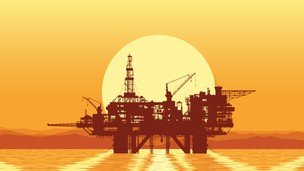
Insight into the dynamic and exciting process of drilling an oil and gas well. What you'll learn: Develop familiarity with common "oil field" terms and phrases.Discuss the drilling process with potential employers and co-workers with confidence.Gain understanding of drill string components and the proper applications of each component.Gain familiarity with components of a drilling rig including hoisting, rotating and circulating systems.Identify characteristics of a petroleum reservoir. Walk into a job interview with confidence! Drilling for oil and gas is one of the most dynamic and exciting professions in the world. A career in the drilling industry allows world wide travelandcan berewarding professionally, personally andfinancially!There are tremendous opportunitiesfor individuals that are able to develop an expertise and gain experience in the field. The challenge can be finding and taking advantage of those opportunities! This course will provide students with the knowledge they need to become more competitive while seeking employment or starting their career. In this course we will review the entire process of drilling oil and gas wells. The course was designed to progressively build and develop the students’ knowledge. We start off by focusing on the different types of drilling rigs and which applications they are most suited for. Once a general knowledge of the rigs is acquired we will focus on the rig systems that allow wells to be drilled. Following the rig systems we begin to focus on petroleum geology. We review the characteristics of petroleum reservoirs and how they are formed. We then review the pressures encountered while drilling and how this affects the drilling operations. The components of the drill string including bottom hole assembly will be discussed in detail. We will focus on common components of the drill string in strait and direction wells. Bit selection will also be an important topic covered. At the end of this course you will be able to talk confidently about the drilling process in an interview, with co-workers or in general conversation with friends.

Udemy
Fabrication and Installation of Platforms/Topsides, Jackets, Pipeline, Barges and Others What you'll learn: Overall Knowledge in Oil and Gas Offshore Construction including Top sides, Jackets, Pipelines, Cables, Barges, FPSOsStep by step narration for Offshore Facilities Fabrication and Installation in simple and easy wayUseful for Freshers and those willing to switch from onshore to offshoreProviding confidence in job interviews This course will give an overall idea about the offshore oil and gas construction works including basic engineering. This course is clear migration course for those working in onshore oil and gas and willing to switch to Offshore. Course covering the introduction of most of the offshore facilities, explaining around 100 short forms which offshore industry is using. Further going through fabrication and installation methods of Jackets, Platforms, Subsea pipeline and Cable Installation, Barges& FPSO step by step in an understandable way even for freshers. Also giving some introduction about EPC contracts and method of executing EPC contract including few drawings and tips to understand these drawings for freshers. We recommend all those who want to work in oil and gas industry should go through this course. This will make your professional life easyChapter 1 - Introduction to offshore facility including Jacket & PlatformsPiles & Installation Wellhead, tie in, production & power generation platforms FPSOs, FPSO topside, FPSO Hull Jack up barge Single point mooring Buoys, MOPU Concrete Gravity base, Tension leg platformsChapter 2 Short forms & meanings (100 + short forms)Christmas tree, vent stack, well head, purge, riser Scrubber, Wireline, Pig, Rundown, Buffer, Pad eyes Pancake etc etc ………Chapter 3 Jacket Fabrication Part 1Types of jackets Design process of a jacket Various engineering drawings and document Installation concepts Various analysis during design Pre engineering surveys for JacketChapter 4- Jacket Fabrication Part 2Chapter 5- Platform/Topside FabricationChapter 6- Subsea Pipe lineManufacturing Storage Laying methods (S/J Lay, reel lay, beach pull) Process in a laying barge Requirement of laying barge Survey requirement Recovery Buckle detection Pipeline crossing
Udemy
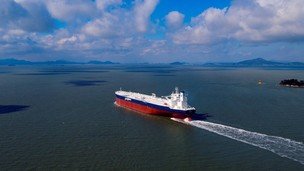
Explore the logistics of crude oil and petroleum products - transport and dispatch of oil and gas demystified What you'll learn: Gain a broad perspective of the global oil and gas business : supply and transportationUnderstand logistics and supply principles and practicesUse Worldscale reference to charter a ship and to calculate the profitabilityUnderstand how the commercial petroleum products (gasoline, diesel, fuel) are dispatched from the refineries to the market Welcome to this online course on logistics of crude oil and petroleum products.Ever wondered how crude oil is transported from remote production wells like in Siberia or Arabian desert to refineries ? And then how commercial petroleum products like gasoline or diesel fuels are dispatched from refineries to your gas station so that you can fill up your car and go to work ?If you’re curious about that then you’ve come to the right place !This online training course on logistics of oil & petroleum products is designed to give you a comprehensive picture of the international oil logistics : from transport of crude oil to refineries, to dispatch of commercial petroleum products.The course is organized into 2 parts :PART 1. is an analysis of transport problems, particularly the transport of crude oil. We discuss : sea transport first, different types of tankers, different types of charters, costs and prices for this type of transport, the regulatory framework and operational matters. Then we consider transport by pipeline.PART 2. deals with the different ways of delivering finished products from a refinery : by water, pipeline, rail or road, and the different restrictions that apply to them. Finally, we review the various controls that apply to dispatch.Ready to Start Your Oil & Gas Journey?Preview the free course videos, explore the curriculum, and see why thousands of students choose WR Training for clear, actionable energy education.Click “Enroll Now” to gain instant access and take the first step toward mastering the global oil & gas industry!WR Training – Your Trusted Partner in Oil & Gas EducationSpread the wings of your knowledge.

YouTube
Explore the fundamentals of oil and natural gas exploration in this 41-minute lecture from Stanford University's Understand Energy course. Presented by Jane Woodward, Adjunct Professor of Civil and Environmental Engineering and Founder of MAP Energy, the lecture covers essential topics including the geological characteristics of oil and gas-bearing rocks, the structure of oil and gas fields, and various methods used to identify these resources. Gain insights into U.S. regulations governing oil and natural gas development, and learn about the global distribution of proven oil and natural gas reserves. This comprehensive overview provides a solid foundation for understanding the complexities of fossil fuel prospecting and extraction.

Udemy
Comprehensive Course dedicated to the Overview of Oil and Gas Industry by Working on Specific Project What you'll learn: The Fundamentals of Upstream ProcessesDeveloping familiarity with common "oil field" terms and phrases.Defining the Reservoir CompositionDemonstrating the use of Data for Defining Physical Properties of the MixturesCreating a Process Flow Diagram (PFD) for the Oil and Gas Platform Introduction to Oil and Gas Platform Design training course provided by Velocis Solutions aims to deliver the most fundamental and practical information about how oil and gas platforms work, what process engineers do in oil and gas platforms, types of equipment and their design. The course is a part of bundle including Separation in Oil and Gas Platforms and Liquid Hydraulics (Pump and Compressor Design). Besides the practical and comprehensive information, you will have a chance to get into depth by looking through the questions in lectures and assignments. Let's have a glance at our content. The course starts with the objectives of the course so more or less you will have an idea of what to expect from this training. Then, introduction part is provided for Oil and Gas Platform Design. Turning to the main parts of the course, be informed that the course materials are delivered in three main parts including:Composition - how composition data is established by analyzing the results from the laboratory together with working on fluids compositions comprising the following topics:Mass/Mol fractionReservoir CompositionTest SeparatorPhysical Properties - where key properties are discussed that are generally needed for understanding a reservoir and the quality of product consisting of the following sessions:DensitySpecific GravityViscosityVapor PressureCompressibility FactorProduction Rates - the production forecast of the platform in detail by introducing the most frequently used units in Oil and Gas Platforms which also comprises some topics that are:Unit ConversionActual Standard FlowProduction ForecastBy completing this course you will be able to:Understand the fundamentals of Upstream processes; Define the composition of the reservoir fluid;Use lab data for defining Physical Properties of the mixtures andCreate a PFD for our platform and finally, we will start preparing the BOD document for our very own platform like in real projects.

Udemy
Pressure Safety Valve (Oil and Gas Industry) What you'll learn: You will able to apply "what if" analysis for engineering problems and design.You will be able to foresee and identify the source of overpressure at the process facilities.You will be able to describe the main components of the Flare System and to understand the working principle of PSV's Dear Students,Safety in operation on refineries and associated overpressure protection of process equipment require special attention.Therefore, this course "Introduction to Overpressure Protection & PSV" will help you to identify the most common sources of overpressure scenarios and will provide guidance to properly identify the locations, where pressure relief device need to be installed.The key ideas of all lectures illustrated by drawings and diagrams (PFDs and P&IDs) to ensure that all learners gain powerful understandings of the Pressure Safety Valve Application in Oil and Gas Industry. Students will understand how each overpressure scenario could take place in the oil and gas refinery and their significance in determining both - the credible scenarios and governing case of Pressure Safety Valve sizing and selection.Being prepared to answer these essential process engineering interview questions will give you a great opportunity to get desirable job and new career:How does pressure safety valve work?What the main components of the Flare system?What is the back pressure?What kind of overpressure scenarious used for PSV sizing?How to choose governing case for PSV sizing?Finally, during the course you will gain knowledge how to fill the Scenario Check List and will be able to read the nameplate of PSVs. This course also come with:New words indicated in Glossary attachedScenario Check ListUdemy Certificate of Completion A 30 Day Money Back Guarantee!I hope that you will find this course useful, and that you can apply the knowledge you gained in your daily work, or if you are student of engineering colleges this course will serve you as the foundation for your future career in oil and gas industry!
Udemy
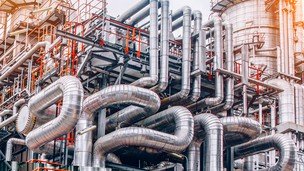
Introduction to Piping Fabrication ( Mechanical Engineering, Process Engineering, Petroleum, Oil & Gas Industry ) What you'll learn: Will gain basic & advanced knowledge in Piping Fabrication and Isometric drawings which is the heart of Oil & Gas IndustryComplete understanding on Piping Components like Flange, Fittings, Valves, Gaskets, Fasteners etc with Isometric symbolsDifferent types of Isometrics study, Piping Inch Dia sheet and Codes & standards usedPiping fabrication schedule, Welding basics, Fabrication activities, Hydrotesting of pipe spools etcExclusive & Real time video examples from shop floor on all activities involved in Piping Fabrication This course is designed to provide basic and advanced knowledge of Piping Fabrication and Isometrics. A complete package starting with Piping basics, Piping components (Flanges, Fittings, Valves, Gaskets & Fasteners), Codes & Standards, Isometric basics, Detailed study of different isometrics, Piping fabrication schedule, Welding basics, Shop fabrication activities etc.Exclusive videos of each piping fabrication activity from shop floor is included ( Live industrial examples )Ideal for Mechanical Engineers, Process Engineers and other aspiring candidates.Course contentIntroduction & Piping BasicsCodes & SpecificationsPiping components – Flanges, Fittings, Valves, Gasket & FastenersIsometrics basics & Drawing StudyIsometrics & Shop spoolsPiping Fabrication SchedulePiping Inch Dia sheetPiping BOQShop fabrication activitiesReal-time Videos from Shop floor

Udemy
History and characteristics of petroleum, major events, players of the oil scene, consumption, production and forecast What you'll learn: Gain a broad perspective of the global oil and gas industry and understand the role of oil in our lifeDiscover the history of the oil industry from its earliest development at the end of the 19th century to the current situationInterpret the evolution of the factors affecting the energy supply and demand (crude prices, technology, reserves, geopolitics, geography, environment...)Identify the actors of the energy scene & their strategic guidelines (producers/consumers national & international companies, international organizations OPECDescribe the different types of energy resources (conventional, unconventional, renewable & fossil)Understand and appreciate the future energy challenges in terms of production and demand Welcome to this online course on Oil & Gas Industry Overview: History and characteristics of petroleum, major events, players of the oil scene, consumption, production and forecast.This training course is designed to give you a comprehensive picture of the international oil & gas industry : from its earliest development at the end of the 19th century to the current situation.The course uses up-to-date global statistics and is organized into 3 parts :Part 1. outlines the main characteristics of the petroleum industry, reviews the major events of its history and the associated geopolitics, analyses the place of oil among all energy sources and forecasts future prospects for oil production and demand.Part 2. outlines the roles of the main players within the petroleum industry (consumer countries, major companies and producing countries (OPEC and non-OPEC)).Part 3. provides a quick review of the scale of investments and profitability in the oil industry.Ready to Start Your Oil & Gas Journey?Preview the free course videos, explore the curriculum, and see why thousands of students choose WR Training for clear, actionable energy education.Click “Enroll Now” to gain instant access and take the first step toward mastering the global oil & gas industry!WR Training – Your Trusted Partner in Oil & Gas EducationSpread the wings of your knowledge.

Udemy
Introduction to Pressure Vessel Fabrication ( Mechanical Engineering, Petroleum, Oil & Gas Industry ) What you'll learn: Will gain basic & advanced knowledge in Pressure Vessel Fabrication which is the back bone of Oil & Gas SectorComplete understanding on types of pressure vessels & how to read Fabrication Drawings with industrial examplesShop fabrication activities in detail with planning & schedulingUnderstanding of Welding, NDT & Pressure Testing activites performed during PV fabricationImportant Quality control documents and understanding MDRB This course is designed for providing basic & advanced knowledge about pressure vessel fabrication which is the back bone of Oil & Gas Industry.If you are an aspiring engineer with a strong determination to top in your career, here is the right course available for you.Pressure vessel is a collective name of Tanks, Towers, Columns, Reactors, Desalters etc used in Petrochemical IndustryIllustrated with examples of successfully completed major projects.You will gain knowledge about all important aspects in Pressure Vessel Fabrication like Codes used, how to read and understand the fabrication drawings, important workshop activities, welding & NDT etc,Course outline is given belowMajor Topics Covered· Types of Pressure Vessels· Design Standards· Understanding Fabrication Drawings & Details· Quality control Documents· Understanding Fabrication Sequences & Activities· Workshop calculations basics· Types of Welding· NDT & Hydro Testing· Final Documentation ( MDRB )

Trailhead
Increase field service team productivity with the dispatcher console.Install the Field Service managed package in a Trailhead playground.Use the dispatcher console to manage appointments, schedules, service resources, and maps.Make your field service dispatchers more productive with a customized console.Manage your schedule to maximize customer satisfaction and field service productivity.Maximize your schedule to get more work done, faster.Connect mobile workers to your field service organization with this all-in-one mobile appConnect customers and employees with real-time visual support via mobile devices.

YouTube
Explore the critical cybersecurity challenges facing the oil and gas industries in this Black Hat conference talk. Delve into the vulnerabilities of SAP and Oracle systems widely used in the sector, including specific modules like SAP Upstream Operations Management and Oracle Field Service. Examine how cyber-attacks on these systems can have devastating consequences, especially due to trust connections with asset management and operational technology systems. Learn about the potential for manipulating environmental conditions to affect hydrocarbon volumes, impacting pricing and fees. Gain insights from case studies and discover specific attacks targeting oil and gas companies. Acquire valuable guidelines and processes to mitigate these threats and protect critical infrastructure in the oil and gas sector.