

Courses
Discover thousands of courses from top institutions and platforms worldwide
Level
Course Type
Duration

Coursera
In the final course from the Risk Management specialization, you will be introduced to the different roles in risk governance and the benefits of establishing an operational risk management program at your own workplace. This course will highlight key elements of an Operational Risk Management framework and help you identify the appropriate elements to incorporate in your own program. By the end of the course, you will be able to capture, report, and investigate operational risk events, produce meaningful key risk indicator (KRI) data and trend analysis, assess organizational risk appetite, and design an Operational Risk Control and Self-Assessment program. To be successful in this course, you should have a basic knowledge of statistics and probability and familiarity with business operations. Experience with MS Excel and Python recommended.

Udemy
All what you need to know and best practices to better Understand, Identify, Assess, Respond and Report on key risks What you'll learn: Understand the origin of Operational Risk and why it is important for organizations' survival and how it evolved over time to serve changing environment.Understanding key terms and definitions: including Risk Taxonomy, Risk Appetite, Risk/Reward, Risk Tolerance and many other terms essential in your risk vocab.Understanding the key types of risk including: Credit risk, Market risk, operational risk, liquidity risk and Reputational riskBreakdown the Risk management process from: Risk Identification, Risk Evaluation and Assessment, Risk Response, Risk Monitoring and ReportingGain in-depth understanding of how to assess the effectiveness of existing controls and how to design effective ones (detective, preventive & reactive controls)Gain in-depth understanding of the operational risk framework and how to apply that to your organizationUnderstanding what Risk Culture Means and how a robust risk culture should look like to nurture an effective risk practices in the organizationDeep dive in what an effective Risk Management Program should include key practices and how to effectively establish those practices in your organizationUnderstanding the Three Lines of Defense model in effective risk management and how the roles and responsibilities of each line of defense look like and why?Gain in-depth understanding of best practices in Risk management including: BASEL, ISO and COSO framework accordsUnderstanding what Inherent risk VS Residual risk means and how effective controls contribute to the residual risk severityin-depth analysis of the key Risk Mitigation strategies like: Risk acceptance, Risk reduction, Risk sharing, Risk transfer and Risk AvoidanceDeep-dive into key risk management strategic reports including: RCSA report, Loss event report, KRI metric and Risk HeatmapUnderstanding Why Risk Management fails and the most 7 Common Risk Management Mistakes and How to Avoid ThemUnderstanding How to establish a robust risk management function in your organizationWhat Makes a Good Operational Risk Manager? and the 8 most respected personal and professional skills that will get you to be a Highly Effective Risk Manager Hello colleagues, since you made it to this page, I'm sure you are seeking to master the operational risk management process and help your organization avoid costly risks and navigate successfully through disruptive events.This masterclass will take you from the very beginning and introductory level to the risk management concept to mastering the risk assessment, evaluation, response, and monitoring and reporting procedures.This is a comprehensive program and I have split it into 7 modules. Module 1: introductory levelIn this module, you will learn the following:History of operational risk.Actual cases of how the drastic impact of reckless risk management practices or risk management failure can bring down a used-to-be successful organization in no time.Important terminologies and definitions commonly used in risk management (Risk, Reward, Probability, Risk Event, Risk Appetite, Risk Management, Risk Culture, Control environment, and many other key concepts you must know in the Risk Management world.Is Risk a good or a bad thing? and why do we need to manage it?I'll also give you some practical tips on how to get the best out of any learning experience that you can apply in any learning process to increase information absorption and retention in the long run. Module 2.1: Risk Management FrameworkIn this module, you will learn the following:Most common types of risk: Market RiskCredit Risk, Operational RiskLiquidity RiskStrategic RiskESG Risk The Risk Management framework:Risk CultureRisk AppetiteRisk Identification and AssessmentControl environmentGovernance policies and proceduresMonitoring and reporting Module 2.2: The Enterprise Risk Management Program (Breaking down ISO 31000)In this module, you will learn the following:Introduction to the holistic approach to a robust Risk management program and the key components of it.Risk Identification: how to identify existing and potential risksRisk Analysis: how to analyze and understand how certain risks can represent different levels of threat to your organization.Risk Evaluation: the practical and scientific approach to objectively assess the severity of risk using an Impact and Likelihood matrix of a certain risk on your organizationControls: What is control and how do they impact your inherent and residual risk assessment? Control Assessment: How to determine the types of control (Preventive, Detective, Directive) and How to assess the control effectiveness?Risk Response: how to prioritize risks and what are the different approaches to respond to each of the identified risks according to their residual impact and the organization's Risk Tolerance and Appetite?Risk Response strategies: understanding various risk mitigation strategies and how and when to implement them including Risk sharing, Risk reduction/control, Risk avoidance, and Risk TransferRisk Monitoring and Reporting: How Risk Monitoring is critical to the risk management process the importance of risk reporting and what are the key risk management reports Executive Management and the Board need to see to better understand the organization's risk profile.Understanding the Risk Governance framework Module 2.3: Key Risk Management Monitoring and Reporting ProgramsIn this module, you will learn the following:How to establish the Risk And Control Self-Assessment -RCSA monitoring reportHow to establish the Operational Risk Loss Event -ORLE reportHow to establish the Key Risk Indicators -KRIs dashboardHow to establish an enterprise-wide Risk profile metric -Risk Heatmap profile Module 3: International Risk Governance StandardsIn this module, you will briefly learn about the following standards:Basel: What is the Basel Committee? How it was initiated and why? and what are the Basel risk categories? The Committee of Sponsoring Organizations-COSO: What is COSO? Why does it exist? and what is the COSO Framework?ISO31000 and other risk management-related standards. Module 4: Performance BoostersThis module I call the Performance Booster Module, this module will help you stand out in the risk management world by providing you with a lot of helpful tips and resourceful guidance to master managing the risk management program.The resourceful information in this module comes from my 18 years of practical experience leading and navigating through many crises and disasters which you'll find helpful in your Risk management career and in your day-to-day decision-making process.In this module, you will learn the following:Why does Risk Management fail? and an actual case study on what has gone wrong, how, and lessons learnedHow to establish a robust risk management function in your organization?How to become a GREAT Risk Manager what are the personal and professional traits you need to excel and how to acquire those skills to stand out in your career?
Corporate Finance Institute
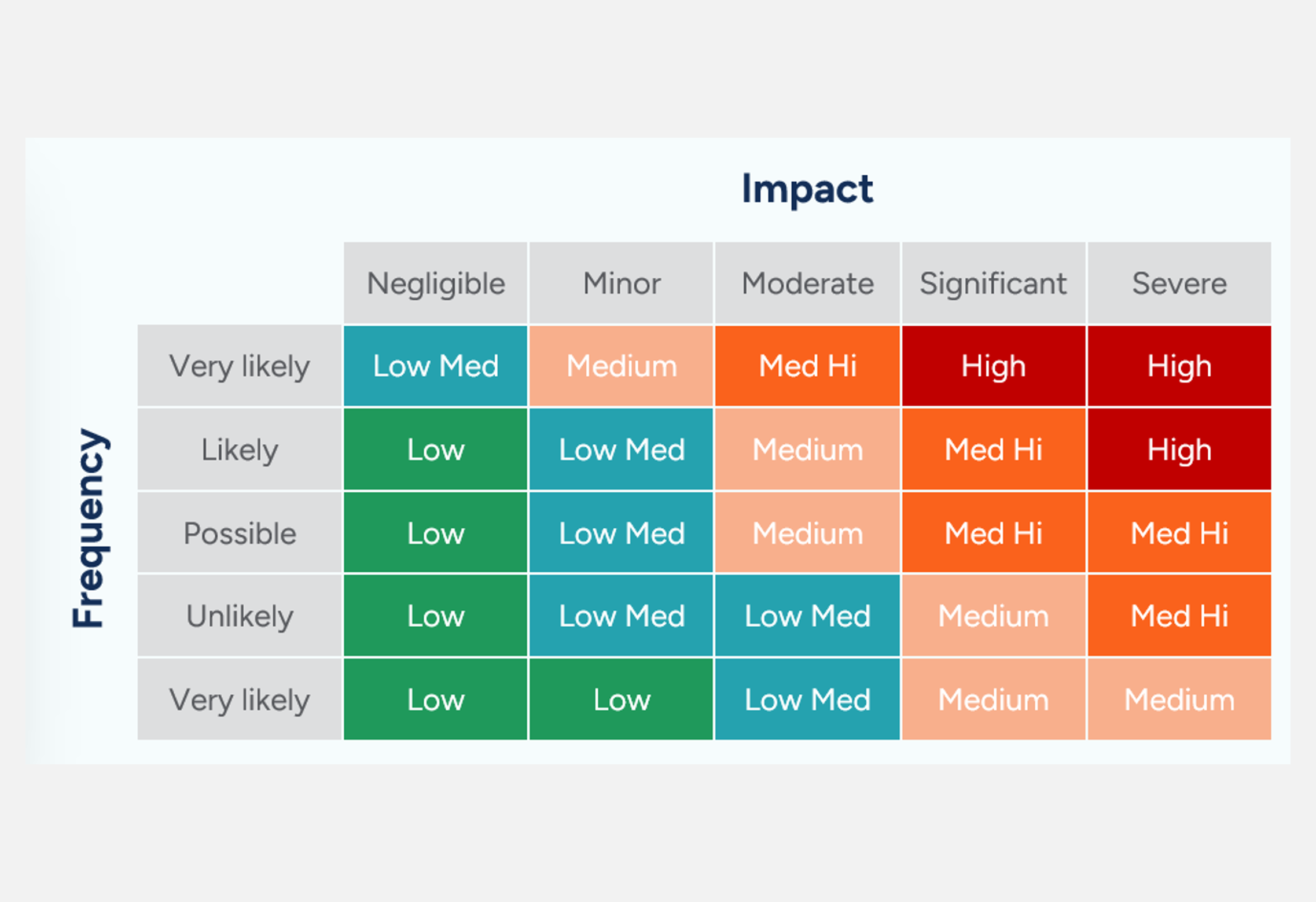
Operational Risk Management in Banks Course Overview Operational risk is a critical component of any comprehensive risk management framework. Operational failures can not only lead to large financial losses, but they can also lead to exceedingly damaging reputational harm. This course will give learners the skills and knowledge they need to navigate and apply effective operational risk frameworks, such as those set out by the Basel Committee on Banking Supervision. Learners will define what operational risk is. Using real-life examples of operational risk failures, learners will gain insights into how operational risk can impact financial performance and harm an organization’s reputation, where banks and other financial institutions have been impacted by different operational risk failures. Crucially, learners will practice assigning operational risk events to the seven operational risk categories as defined under the Basel framework. Operational Risk Management in Banks Course Learning Objectives Upon completing this course, you will be able to: Define operational risk using the same language as banks and global banking regulators.Rank operational risk events based on frequency and impact.Give real-world examples from the financial services industry of different types of operational risk failures.Categorize operational risk events into categories based on the Basel framework.Who Should Take This Course? Finance professionals who want a career in Risk Management or specifically Operational Risk or Enterprise Risk Management. Courses we recommend you take in advance The prerequisites are optional, but we recommend you complete these courses or possess the equivalent knowledge prior to enrolling in this course: Introduction to Banking Introduction to Risk Management Basel III and Risk Management

edX
Operational Risk by its nature is hidden and embedded in all the activities. Incidents like the Barings bank, the global financial crisis of 2007-09, Covid-19 and ransomware attacks have reinforced this fact. The root cause of such unexpected losses has been inadequacy or failure of people, processes and technology. Every organisation develops risk mitigation methodologies to minimise the loss impact. Developing effective risk management tools mandates a thorough understanding of organisational objectives and risk-related events that might affect the achievement of those objectives. The fast-paced technological changes, data availability and new business models are transforming the way financial services are adapting to the changes and building Operational Resilience. In this course, we shall endeavour to understand the concept of Operational Risk, how to build operational efficiency through an integrated approach and discuss global best practices.

Udemy
Operational Risks Management ORM Case Studies for Risk Management, Compliance, Audit, IS Security, Banking Professionals What you'll learn: You will learn about Risks and different types of RisksYou will learn about the Operational Risk Management ORM Principles and FrameworkYou will learn about Losses and Avoidable Losses related to ORMYou will learn about the Operational Risks, Events, Losses and ExposuresYou will learn about operational risk management tools and techniquesYou will learn about 7 Different Case Studies of Operational Losses and Exposures etc.You will learn how Artificial Intelligence (AI) may help in performing effective Operational Risk Assessment in a bank Risk is inherent in every process and system that a company use, Due to the complexity of business operations, advancement of technology, increased customer expectations, and complex regulatory requirements the identification and management of operational risks have become a challenge for companies and organizations. On an overall basis, due to the weak operational risk management practices, the institutions lose millions of dollars each year.Operational Risks are the most significant risks that companies and institutions are exposed to. Most of the business failures that occurred in the past are due to mismanagement of Operational Risks, Events, and Losses. Companies and institutions are, therefore, focused on managing their respective operational risks and this is now a regulatory requirement as well for banks, financial insinuations, and corporate organizations. WHY OPERATIONAL RISK MANAGEMENT IS IMPORTANT?Operational Risk Management ORM is relevant for almost all of the companies and organizations such as banks, insurance companies, brokerage houses, investment companies, FMCGs, Pharmaceuticals, Leasing Companies, Heath Sector Companies, Service Industries, etc. These organizations spend millions of dollars on a yearly basis, to identify and manage their operational risks, to remain competitive and operational in the industry. Operational Risk Management is linked with Enterprise Risk Management ERM, therefore, all big consultancy firms in the world provide operational risk advisory services, to companies. Operational risk consultants charge, millions of dollars as consultancy fees, from these companies. WHAT WILL YOU LEARN?This course is divided into two Modules:In this course, you will learn about core areas of Operational Risk Management ORM such as: Module 1: OPERATIONAL RISKS, EVENTS, LOSSES, EXPOSURES, EXAMPLE ETC.- Risk and adverse impact concepts, - Operational risks, components, and examples, - Categories of operational risk,- Operational loss events, types, and examples, - Operational loss exposures, - Avoidable operational losses - Operational loss exposure avoidance by companies- Operational risk management ORMModule 2: 7 DIFFERENT CASE STUDIES RELATED TO OPERATIONAL RISK - Case Study 1: A Biscuit Manufacturing Company - Operational Loss Exposures and Losses- Case Study 2: Hijack of Bank's Core Application System and Operational Losses- Case Study 3: Luxurious Car Manufacturing Company and Operational Losses- Case Study 4: Bank's Regulatory Requirements (Regulatory Risks) and Operational Losses- Case Study 5: Risk Appetite Level - A Technology Company - Case Study 6: Internal Fraud in a Bank and Operational Losses- Case Study 7 - Use of Artificial Intelligence (AI)by the ORM team, to Perform Operational Risk Assessment In this course, you will also learn special risk management terminologies used in ORM. BENEFITS OF ATTENDING THIS COURSE:By attending this course you will:- be able to understand, how companies face Operational Risks and Calculate their exposures Assessment and Management- be able to talk confidently with risk management professionals and consultants regarding Operational risks and related domains- be able to work in consultancy firms or organizations in their risk management departments, especially ORM departments- get a certificate of completion of this course - be able to perform research and analysis on operational risks and management cases - be able to pursue a career progression in operational risk management. WHO SHOULD ATTEND THIS COURSE?This course should be attended by:Risk management professionalsOperational risk heads or managers Compliance professionalsIS Security professionalsBankersRisk Advisors and consulting firmsBranch managers / Operation managersInternal auditorsInternal controls professionals CFA / FRM / CA / ACCA / CAMS or Finance students andOthers who want to learn risk management and its components

YouTube
Explore the challenges of integrating renewable energy sources into electricity grids through this one-hour virtual talk by Ronnie Sircar from Princeton University. Delve into a project sponsored by ARPA-E that aims to quantify, allocate, and account for the risks associated with the unpredictable reliability of renewable energy production. Learn about innovative methodologies involving Monte Carlo simulations and grid optimization software to assess system risk and allocate reliability costs to individual renewable assets. Discover how this approach adapts existing risk allocation methods related to Shapley values and its potential impact on day-ahead bid curves and grid optimization. Gain insights into the future of electricity grids, the importance of incorporating stochasticity in risk management, and the computational challenges involved in this cutting-edge research.

Coursera
This course is designed to equip learners with a solid understanding of operational risk in financial institutions, with a particular focus on regulatory environments in the United States and United Kingdom. Through a structured exploration of risk fundamentals, process frameworks, and capital assessment techniques, learners will progressively identify, explain, analyze, and evaluate operational risk across various business contexts. Beginning with foundational concepts, learners will explore how operational risk differs from other types of financial risk and understand its sources — including system failures, human error, and external events. The course then delves into practical methodologies such as the Risk and Control Self Assessment (RCSA), the Basic Indicator Approach (BIA), and the Standardized Approach (SA), highlighting their role in quantifying and mitigating risk. Finally, the course advances to complex modeling techniques like the Advanced Measurement Approach (AMA), categorization of real-world loss events, and the value of internal self-assessment tools in strengthening organizational resilience. Each module combines regulatory theory with applied examples and assessment tools, enabling learners to build both conceptual understanding and practical insight. By the end of this course, participants will be able to differentiate between risk approaches, evaluate risk control mechanisms, and apply operational risk frameworks within regulated financial environments.

YouTube
Learn about operational risk governance frameworks and regulatory expectations in this comprehensive FRM Part 2 video lecture covering Basel requirements, committee structures, and risk management best practices. Explore the three lines of defense model for operational risk governance while understanding the distinct roles and responsibilities of different committees and the board of directors. Master the development of risk appetite frameworks and strong risk culture in accordance with regulatory standards. Delve into key topics including regulatory Pillar 1, supervisory review processes, risk identification methods, quality control measures, and organizational committee structures from bottom-up approaches to board-level oversight. Gain practical insights into implementing clear definitions and best practices for operational risk management that align with Basel regulatory expectations and GARP standards.
YouTube
Learn how to leverage Operational Data Stores (ODS) for mitigating financial software supply chain risks in this 43-minute sponsored conference session from the Linux Foundation. Explore the complex network of processes, tools, and stakeholders involved in software development, distribution, and deployment throughout the entire software development lifecycle (SDLC) and understand how these elements create significant risk in the financial industry. Discover how ODS can aggregate and correlate operational data from disparate systems and tools across SDLC pipelines into a single, standards-based software bill of materials (SBOMs) data model. Examine real-world implementation strategies as Bryce Curtis from Discover demonstrates how their organization embraces Operational Data Stores to provide real-time data access for investigational queries and composite views of all applications for stakeholders and regulatory agencies. Gain insights into how this approach can mitigate risks associated with the full lifecycle of software management and consumption, and understand the broader applications for enterprise communities beyond the financial sector.

Udemy
Master the complexities of operational risk management and financial crisis response with our in-depth course. What you'll learn: Fundamentals of Operational Risk Management: Understanding the core principles and concepts of operational risk management.Familiarity with key frameworks and processes such as Risk Control Self-Assessment (RCSA) and scenario analysis.Approaches to Risk Management: Detailed exploration of the Basic Indicator Approach, Standardized Approach, and Advanced Management Approach.Learning the methods to apply these approaches in practical scenarios.Types of Operational Risk Losses: Identifying and categorizing different types of operational risk losses. Strategies to mitigate and manage these lossesSelf-Evaluation and Testing: Conducting self-evaluation tests to assess operational risk management proficiency. Continuous improvement through feedbackUnderstanding Historical Financial Crises: In-depth analysis of the Great Depression of 1929 and the Financial Crisis of 2008. Learning the causes, effects.Liquidity Management: Principles and practices of liquidity management during economic crises. Techniques for liquidity risk assessment, stress testing.Corporate Governance: Fundamentals and types of corporate governance systems.Examination of regulatory frameworks like SOX, Dodd-Frank Act, and the UK Corporate Governance Code.Fund Raising through IPOs and FPOs: Understanding the processes and valuation techniques for IPOs and FPOs.Financial statement analysis, including profit and loss, cash flow, and balance sheet statements.Regulatory Frameworks and Compliance: Comprehensive overview of the Dodd-Frank Act and its implications. Learning about swaps, derivatives regulation.Inter-Company Transactions: Identifying and managing different types of inter-company transactions. Understanding the challenges and complexities involved. IntroductionOperational risk management is a critical aspect of financial institutions and businesses worldwide. Understanding and mitigating these risks can protect organizations from significant financial losses and ensure sustainable operations. This course, "Operational Risk Management (ORM) and Financial Crises," covers essential topics to equip students with the knowledge and skills needed to manage operational risks effectively and navigate financial crises.Section 1: Operational Risk ManagementThis section introduces students to the foundational concepts of operational risk management. Students will learn about the processes and frameworks involved, including Risk Control Self-Assessment (RCSA) and scenario analysis. The section also explores various approaches such as the Basic Indicator Approach, Standardized Approach, and Advanced Management Approach. Understanding the types of operational risk losses and engaging in self-evaluation testing will help students develop a comprehensive risk management strategy.Section 2: Global Economic Crisis - Liquidity ManagementStudents will delve into historical and contemporary economic crises, starting with the Great Depression of 1929 and the Financial Crisis of 2008. This section covers the causes, effects, and responses to these crises, emphasizing liquidity management. Key topics include securitization processes, credit default swaps, and the rescue measures undertaken during financial crises. Students will also learn about liquidity risk assessment, management principles, stress testing frameworks, and important ratios like the Liquidity Coverage Ratio (LCR) and Net Stable Funding Ratio (NSFR).Section 3: Corporate GovernanceIn this section, students will explore the principles and practices of corporate governance. The curriculum covers the fundamentals, various types of governance systems, and specific regulations such as the Sarbanes-Oxley Act (SOX) and the Dodd-Frank Act. Students will examine notable corporate governance failures and the principles set by the Basel Committee on Banking Supervision (BCBS). The influence of governance codes like the UK Corporate Governance Code is also discussed, providing a comprehensive understanding of how effective governance can prevent financial mismanagement and enhance organizational integrity.Section 4: Fund Raising | IPOs and FPOsThis section is dedicated to fund raising through Initial Public Offerings (IPOs) and Follow-on Public Offerings (FPOs). Students will learn about the valuation techniques, assumptions, and financial statements involved in IPOs and FPOs. Topics such as profit and loss, depreciation, amortization, interest on loans, and working capital are covered in detail. The section also addresses the Discounted Cash Flow (DCF) valuation method, EBITDA, and PE valuation methods, as well as venture capital approaches. Understanding these concepts is crucial for evaluating the financial viability of raising capital through public offerings.Section 5: Dodd-Frank Act TutorialsThis section provides an in-depth analysis of the Dodd-Frank Act, a significant piece of financial legislation. Students will study the Volcker Rule, types of swaps, derivatives regulation, and the securitization process. The curriculum covers Title VII requirements, credit rating agencies, capital and leverage, and bailout measures. The impact of the Dodd-Frank Act on private equity (PE) and hedge funds, executive compensation, and overall corporate governance is also discussed, providing a thorough understanding of this critical regulatory framework.Section 6: Inter-Company Transaction TutorialsIn the final section, students will learn about inter-company transactions, including various types and examples such as downstream and upstream sales of goods, sales with associates, joint ventures, and depreciable asset sales. The section addresses the challenges and complexities these transactions present to organizations. By understanding these transactions, students will be better equipped to handle internal financial operations and maintain accurate financial records.Conclusion"Operational Risk Management (ORM) and Financial Crises" provides a comprehensive education on managing operational risks, understanding financial crises, and adhering to corporate governance and regulatory frameworks. By the end of the course, students will have developed the skills necessary to effectively manage financial risks and contribute to the stability and success of their organizations.Enroll today to gain expertise in operational risk management and financial crisis response, and advance your career in finance and risk management.

YouTube
Learn essential operational risk measurement and assessment concepts in this comprehensive FRM Part 2 lecture covering operational loss data collection, regulatory requirements, and risk assessment tools. Master best practices for operational loss incident reporting, understand risk control self-assessments (RCSAs), and explore the differences between key risk indicators (KRIs), performance indicators (KPIs), and control indicators (KCIs). Dive into quantitative approaches for operational risk analysis, including fault tree modeling and capital estimation methods. Examine severity and likelihood assessments, heatmap creation, and strategies for building operational resilience in important business services. Through detailed explanations and practical examples, gain the knowledge needed to effectively measure, assess, and manage operational risks in accordance with regulatory expectations and industry standards.

YouTube
Learn essential operational risk identification methodologies and tools in this comprehensive FRM Part 2 video lecture covering both top-down and bottom-up approaches to risk management. Master the implementation of risk identification tools including Risk Wheel and Risk Control Self-Assessment, understand process mapping techniques, and explore scenario analysis best practices. Examine operational risk taxonomies in detail, with special focus on Basel Committee on Banking Supervision (BCBS) Level 1, 2, and 3 categories. Gain practical knowledge in conducting effective brainstorming sessions while learning to recognize and mitigate potential biases in risk assessment. Develop proficiency in comparing different risk identification approaches and applying them within a typical workflow structure. Perfect for FRM candidates preparing for Part 2 examination, this GARP-approved content delivers essential insights into operational risk and resilience fundamentals.
YouTube
Explore operational risk management strategies specifically tailored for the open-source sector in this 32-minute conference talk from the Linux Foundation. Learn how to build operational resilience through intentional risk management, agile resource planning, and understanding the unique dynamics of working in the open-source ecosystem. Discover practical approaches to balancing the unpredictability of client pipelines, evolving upstream projects, and distributed collaboration while maintaining sustainable business practices and delivery reliability. Examine how to identify vulnerabilities, allocate resources effectively, and maintain agility without losing focus when confronting fluctuating demand, evolving stakeholder landscapes, and macroeconomic uncertainty. Understand operational resilience as an emergent property of adaptive systems rooted in flexibility, decentralization, and continuous feedback, with insights drawn from principles of adaptive planning and lightweight risk frameworks specifically applicable to open-source consultancies and organizations.

Coursera
All organisations must grapple with fundamental issues at the heart of governance: who are our stakeholders? What are their objectives? How can we ensure these objectives are met as effectively as possible? How can we ensure all legitimate stakeholders are treated fairly? Via structured learning activities (video lectures, quizzes, discussion prompts and written assessments) this course will teach you how to address these questions and how a sound governance structure and comprehensive risk management framework can support you and your organisation in achieving its objectives. You will consider contemporary ethical issues and devise practical responses to them, and finally, you’ll discover that your future ‘influencing’ challenge will be to encourage all members of your organisation to understand their role in serving your organisation’s stakeholders.

YouTube
Explore a comprehensive 31-minute lecture focused on financial crime and fraud management, specifically designed for FRM Part 2 certification preparation. Master essential control framework elements for managing financial fraud and money laundering risks while examining the USAA case study's regulatory findings and key lessons. Delve into crucial topics including internal and external fraud management, prevention strategies, detection methods, and deterrence mechanisms. Delivered by a GARP-Approved Exam Preparation Provider, gain practical insights into selection processes and preventive measures that form the backbone of effective financial crime risk management.

YouTube
Learn essential concepts of operational risk management and resilience in this FRM Part 2 certification preparation video, covering Basel II event risk categories, operational risk frameworks, and regulatory expectations. Explore the fundamentals of operational risk definition, system failures, and risk management processes while developing skills to assess various risk types within management frameworks. Master the elements of operational resilience, including impact tolerance levels, disruption management, and governance structures. Gain practical knowledge about identifying operational loss events, understanding risk characteristics, and implementing effective risk management strategies. Designed for financial risk management professionals preparing for the FRM Part 2 exam, this 39-minute lecture provides comprehensive coverage of Chapter 1, Book 3 material, delivered by GARP-Approved exam preparation provider AnalystPrep.

Udemy
The Risk Management Certification Program (PMI-RMP) & The Business Analysis Certification Program (IIBA - ECBA) What you'll learn: Planning Risk Management (PMBOK6 Aligned)Identifying Risk (PMBOK6 Aligned)Analyzing Risk (PMBOK6 Aligned)Responding to Risk (PMBOK6 Aligned)Introduction to Business Analysis (IIBA - ECBA)Business Analysis Planning and Monitoring (IIBA - ECBA)Business Analysis Elicitation and Collaboration (IIBA - ECBA)Business Analysis and Requirements Life Cycle Management (IIBA - ECBA)Business Analysis and Strategy Analysis (IIBA - ECBA)Business Analysis and RADD: Requirements Definition (IIBA - ECBA)Business Analysis and Strategy Analysis (IIBA - ECBA)Business Analysis and RADD: Requirements Definition (IIBA - ECBA)Requirements Analysis and Design Definition (IIBA - ECBA)Business Analysis and Solution Evaluation (IIBA - ECBA)Analytical Techniques Used for Business Analysis (IIBA - ECBA)Activities and Tools Used for Business Analysis (IIBA - ECBA)Documentation and Criteria Used for Business Analysis (IIBA - ECBA)Business Analysis Competencies: Personal Skills (IIBA - ECBA)Business Analysis Perspectives (IIBA - ECBA) I. The Risk Management Certification Program (PMI-RMP)Welcome to the Risk Management Certification Program (PMI-RMP). The Program is PMBOK6 aligned and includes the courses on Planning Risk Management, Identifying Risk, Analyzing Risk and Responding to Risk.1. Planning Risk Management. We're going to learn about how to plan for risks on a project to make sure that when negative things do happen, we're ready for them.2. Identifying Risk. Covers the inputs you need to look at in order to identify risks. And how to use several techniques, such as Data Analysis methods, like SWOT Analysis, and Assumption, and Constraint Analysis, to help you develop an effective risk register.3. Analyzing Risk. We'll examine the two risk analysis processes of the project risk management knowledge area, namely, perform qualitative risk analysis and perform quantitative risk analysis.4. The Responding to Risk covers the final three processes in the project risk management knowledge area. Plan risk responses, implement risk responses and monitor risks. You'll learn about some common risk response strategies and how to monitor and control risks as they occur.All instructional activities will earn you the necessary for PMI certification and credential maintenance if you already are a certified PMI Risk Management Professional or Project Management Professional. II. The Business Analysis Certification Program (IIBA - ECBA) The Business Analysis Certification Program is aligned with the (Business Analysis Body of Knowledge Guide) BABOK version 3 and has a total of 14 sections that are also presented as individual courses for your convenience.1. Introduction to Business Analysis. Foundational concepts related to business analysis. First we're going to look at business analysis and what it is, what a business analyst does, and some of the core concepts related to working in this field. Then we'll look at some of the key terms, such as stakeholder, requirements, and design.2. Business Analysis Planning and Monitoring. The tasks in this knowledge area produce documents that direct you as a business analyst throughout a project. These documents include the general approach you'll take, the plan for engaging stakeholders, and how you'll manage information, and changes to the requirements.3. Business Analysis Elicitation and Collaboration. Find out how business analysts identify and reach agreements with stakeholders on requirements. The tasks in this knowledge area describe how you as a business analyst reach a mutual understanding of various types of business analysis information with stakeholders. The activities associated with this task include workshops, surveys, and ad hoc collaboration and conversations.4. Business Analysis and Requirements Life Cycle Management. Requirements are the foundation of all your business analysis activities. If the objective of a project is to deliver solutions that best meet requirements, then you'd best keep a close eye on those requirements and the designs that address them. So, we’ll look at what your role is in tracing and maintaining requirements and designs.5. Business Analysis and Strategy Analysis. It covers everything from assessing the current state of operations, doing some visioning regarding a desired future state, determining what the risks are that will need to be managed, and then coming up with the best strategy for realizing the desired future state.6. Business Analysis and RADD: Requirements Definition. This course covers the first three tasks, which involve creating a list of requirements and then verifying that they are of sufficient quality to be used for further work. And then, validating them to ensure they deliver benefits to the stakeholders, align with business goals, and align with the objectives of the change.7. Requirements Analysis and Design Definition. Related to creating a requirements architecture. You develop a set of designs and analyze those to determine where the best value is. The final step is to develop the solution recommendation that represents the best design.8. Business Analysis and Solution Evaluation. It involves measuring and analysing solution performance as well as identifying limitations within the solution and the enterprise that may be keeping the solution from reaching its full value potential. The final task is to recommend actions to remove the limitations and thereby increase the value of the solution.9. Analytical Techniques Used for Business Analysis. Analytical techniques assist the business analyst to identify problems and to find solutions. This course will introduce Analysis Tools for Scoping and Planning, Models that Support Business Analysis and Analyses that Support Decision making.10. Activities and Tools Used for Business Analysis. The categories of techniques covered in this course include idea generation and data gathering techniques that you can use with groups, such as brainstorming, collaborative games, and workshops. We'll also look at decision-making techniques, such as estimation and prioritisation.11. Documentation and Criteria Used for Business Analysis. Some of them are glossaries and business rules you'll need, others are documents you'll create that contain business cases, use cases, and user stories. The final type of documents we'll look at contain metrics and criteria you'll use for evaluating performance and establishing requirements.12. Business Analysis Competencies: Personal Skills. These competencies represent skills and knowledge that all business analysts should have in order to excel at their jobs. There are six categories of competencies altogether, and in this course we'll be looking at three of them: analytical thinking and problem solving, communication skills, and interaction skills.13. Business Analysis Competencies: Professional Effectiveness. Covers behavioural characteristics such as personal accountability, trustworthiness, adaptability, and organisation and time management. We'll also look at various areas of business knowledge that are important to business analysis. Finally, we'll talk about some of the tools and technology that business analysts use on the job.14. Business Analysis Perspectives, we'll be looking at five different perspectives from which business analysis may need to view their work. Perspectives are used within business analysis to provide focus for the tasks you will carry out. They'll also come with a set of techniques that are specific to the context of the change initiative. (HARVEL-YF0KL) If you you want to improve your business analysis and risk management skills or to get the certifications provided by the Project Management Institute or the International Institute of Business Analysis, this course is for you.Now, go ahead and press that "Take this course" button and see you on the inside!

edX
Imagine that you are a bank and a main part of your daily business is to lend money. Unfortunately, lending money is a risky business - there is no 100% guarantee that you will get all your money back. If the borrower defaults, you will face losses in your portfolio. Or, in a bit less extreme scenario, if the credit quality of your counterparty deteriorates according to some rating system, the loan will become more risky. These are typical situations in which credit risk manifests itself. According to the Basel Accords, a global regulation framework for financial institutions, credit risk is one of the three fundamental risks a bank or any other regulated financial institution has to face when operating in the markets (the two other risks being market risk and operational risk). As the 2008 financial crisis has shown us, a correct understanding of credit risk and the ability to manage it are fundamental in today’s world. This course offers you an introduction to credit risk modelling and hedging. We will approach credit risk from the point of view of banks, but most of the tools and models we will overview can be beneficial at the corporate level as well. At the end of the course, you will be able to understand and correctly use the basic tools of credit risk management, both from a theoretical and, most of all, a practical point of view. For each methodology, we will analyse its strengths as well as its weaknesses. We will do this in a rigorous way, but also with fun: there is no need to be boring.

Corporate Finance Institute
Operational Modeling Course OverviewFinancial models play a critical role in supporting business decisions. Learning to model the right way using a proven framework will help you become a more effective financial analyst. Join us as we build out several fundamental schedules, which will serve as a solid foundation for more complex analysis throughout the FMVA and your career. Operational Modeling Learning ObjectivesUpon completing this course, you will be able to:Explore a framework and guidelines for effective financial modeling.Analyze a company’s operations and organize a financial model into several schedules.Approach each schedule with a consistent workflow.Calculate key outputs within the model schedules.Finalize and review the financial model using best practices and automation, ensuring integrity.Create and maintain a library of schedules.What’s included in the Operational Modeling course?The Operational Modeling course includes all of the following:Operational Modeling Template, comprising of the following schedules: Revenue ScheduleCost ScheduleIncome StatementWorking Capital ScheduleDepreciation ScheduleAsset ScheduleIncome Tax ScheduleDiscussions on financial modeling best practices, a framework for effective modeling, model review, and building out your own library schedule.4+ hours of detailed video instruction.Certificate of completion.Recommended Prep CoursesThese preparatory courses are optional, but we recommend you to complete the stated prep course(s) or possess the equivalent knowledge prior to enrolling in this course: Accounting Fundamentals Reading Financial Statements Excel Crash Course Who Should Take This Course?This Operational Modeling course is perfect for investment professionals, management consultants, financial analysts of all walks, as well as investor relations teams and senior managers at both private and public companies.
YouTube
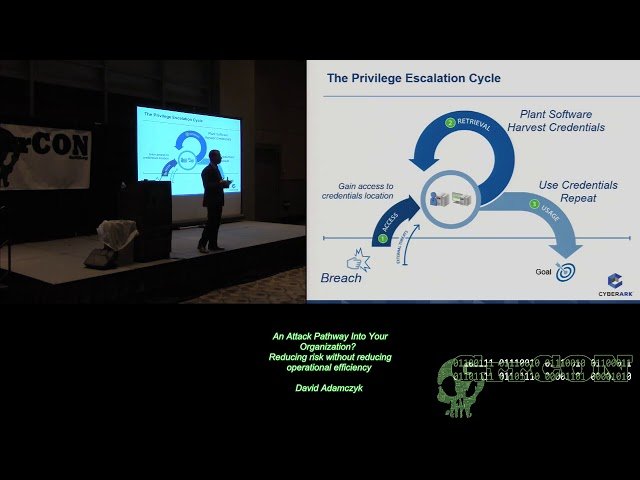
Explore a comprehensive conference talk that delves into the critical issue of attack pathways into organizations and strategies for reducing risk without compromising operational efficiency. Learn about privileged accounts, auditing processes, and the identification of critical assets. Discover practical approaches to enhance security, including vulnerability scanning and isolating high-value assets. Gain insights into the concept of "Fall by Marathon" and understand the importance of prioritizing easy-to-implement security measures. Examine the process of launching Gig04 and its implications for organizational security. Acquire valuable knowledge to strengthen your organization's defense against potential cyber threats while maintaining optimal operational performance.