

Courses
Discover thousands of courses from top institutions and platforms worldwide
Level
Course Type
Duration

Study.com
This self-paced study guide course covers the topics you'll find on the ANCC Family Nurse Practitioner Exam. Our short, engaging lessons and self-assessment quizzes will help you solidify your knowledge so you'll be prepared to earn a passing score.

YouTube
Learn about the assessment and management of pediatric cervical spine injuries in this 20-minute medical education video presented by Dr. Sujit Iyer. Gain essential knowledge for physicians, physician assistants, nurse practitioners, registered nurses, and primary care providers who treat pediatric emergencies. Explore evidence-based approaches and current guidelines for handling cervical spine trauma in children, from newborns to adolescents. Part of a comprehensive 22-hour pediatric emergency medicine course, this lecture delivers data-driven content from experienced pediatric emergency medicine educators to build confidence in diagnosing and treating these challenging cases.

Study.com
This study guide course will help you adequately prepare for and pass the ANCC Adult-Gerontology Primary Care Nurse Practitioner Board Certification exam. Work at your own pace day or night on your phone, tablet, or computer.

Study.com
Prepare yourself for the ANCC Adult-Gerontology Acute Care Nurse Practitioner exam using this comprehensive course. Take advantage of extra features like video transcripts and quizzes to boost your efficiency and study according to your needs.
YouTube
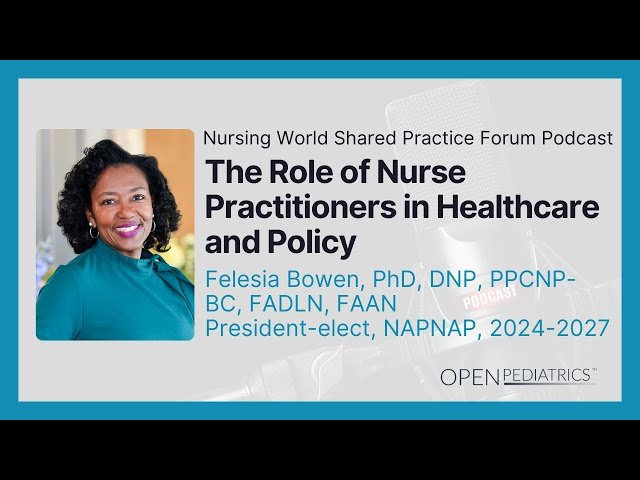
Explore a 30-minute podcast lecture from the Nursing World Shared Practice Forum featuring Dr. Felesia Bowen, President-elect of the National Association of Pediatric Nurse Practitioners (NAPNAP), who examines the dynamic landscape of nurse practitioners in modern healthcare delivery and policy-making. Gain insights into the essential role of nurse practitioners in health promotion, understand current legislative challenges affecting their scope of practice, and learn about NAPNAP's strategic initiatives for advancing health equity through global partnerships. Discover practical approaches for diversifying the nursing workforce to address healthcare disparities, while understanding the push for standardized national practice guidelines. Learn from Dr. Bowen's expertise as a Professor and Associate Dean at the University of Alabama at Birmingham, alongside insights from Julia McSweeney, Senior Director of Advanced Nursing Practice at Boston Children's Hospital, in this peer-reviewed educational content from OPENPediatrics' interactive digital learning platform.

YouTube
Explore the essential responsibilities of pediatric clinical research nurses in this 30-minute video lecture from OPENPediatrics. Gain insights into the crucial role these professionals play in advancing pediatric healthcare through clinical trials and research studies. Learn about the unique challenges and opportunities in pediatric clinical research nursing, including patient recruitment, informed consent processes, and data collection. Discover how these specialized nurses bridge the gap between clinical care and scientific investigation, ensuring the safety and well-being of young research participants. Enhance your understanding of the ethical considerations, regulatory requirements, and best practices in pediatric clinical research nursing. This educational content is part of OPENPediatrics' interactive digital learning platform, designed to facilitate global knowledge exchange among healthcare providers caring for critically ill children in various resource settings.

Study.com
Use this study guide course to prepare for and pass the AANP Adult-Gerontology Primary Care Nurse Practitioner exam. Study or review the easy-to-understand lessons and take challenging practice tests at your own time and pace.

Study.com
Prepare to succeed on your AACN Acute Care Adult-Gerontology Nurse Practitioner (ACNPC-AG) certification with this self-paced study guide course. Our study guide includes video lessons, self-assessment quizzes, and practice tests that will make sure you're ready to score well.

YouTube
Explore a 25-minute conference talk by Fenella Gill, RN, PhD at ANZICS 2013 examining the differences in pediatric intensive care unit (PICU) nurse education. Delve into the comparison between pediatric and adult intensive care, as well as the distinctions between pediatric and neonatal intensive care. Examine the role of PICU within the broader context of critical care nursing, analyzing competency standards and practice standards across developed countries. Learn about the constructs common to various nursing standards and their applicability to different areas of nursing. Gain insights into the Australian College of Critical Care Nurses (ACCCN) competency standards, their development process, and their use in curriculum development for postgraduate courses and assessments. Understand the ongoing revisions to these standards and their importance in articulating specialist-level practice for critical care nursing.

YouTube
Explore pediatric infections in this 28-minute video lecture by Dr. Rick Bukata, part of The EM Boot Camp Course. Delve into essential topics for emergency medicine practitioners, including fever management, immunization importance, and diagnosing infection sources in children. Learn about urine infection in febrile toddlers, techniques for obtaining clean catch samples from infants, and the American Academy of Pediatrics' guidelines for UTI management. Gain insights into pediatric pneumonia diagnosis and treatment. Enhance your clinical skills, documentation practices, and risk management knowledge for modern emergency departments and urgent care centers.

YouTube
Explore strategies for incorporating exercise into your daily routine during the COVID-19 pandemic in this 31-minute webinar presented by Magdalena Ford, a Nurse Practitioner and Certified Diabetes Care and Education Specialist at Stanford Health Care. Learn about the American Diabetes Association's exercise recommendations and the benefits of physical activity for diabetes management. Discover various ways to track exercise, increase physical activity, and create an effective exercise plan tailored to the pandemic conditions. Gain insights on monitoring and managing hypoglycemia during exercise, and understand the connection between mental health and COVID-19. The webinar also addresses common questions about exercise intensity and forms of physical activity. Part of the Stanford Medicine Diabetes Care Program's monthly webinar series, this presentation offers valuable information for adults with diabetes and their families.

YouTube
Explore a compelling lecture on family bereavement and the role of nurses in pediatric palliative care. Delve into Ulrika Kreicbergs' groundbreaking research on how families experience grief before and after the loss of a severely ill child. Gain insights into national studies, response rates, and intervention strategies. Learn how to apply these findings to improve support for bereaved families. Discover the journey of a nurse-turned-researcher and the impact of her work in the field of pediatric palliative care. Engage with quantitative data and understand the funding behind crucial studies in this area. Benefit from this comprehensive overview of family bereavement research, tailored for healthcare professionals working with critically ill children across various resource settings.

edX
Early diagnosis and effective management of congenital hypothyroidism are crucial for ensuring healthy growth and development. This online CME/CE course provides a case-based, practical approach to diagnosing, treating, and monitoring thyroid hormone therapy in pediatric patients. Through engaging video modules, real-world scenarios, and expert guidance, you’ll gain the skills to optimize patient care, interpret lab results, and improve treatment adherence. Who Should Take This Course Pediatricians, endocrinologists, and primary care physicians managing congenital hypothyroidism Nurse practitioners, physician assistants, and healthcare providers involved in pediatric endocrine care Medical trainees seeking to strengthen their expertise in thyroid disorder management Who is Eligible for CME/CE Credits and Certificates Stanford Center for Continuing Medical Education offers accredited continuing education for interprofessional healthcare team members, especially clinicians (i.e., physicians, nurses, physician assistants, etc.). Be sure to check the accreditation and credit designation stated on the activity page to view the credit type and amount awarded for your profession. Accreditation In support of improving patient care, Stanford Medicine is jointly accredited by the Accreditation Council for Continuing Medical Education (ACCME), the Accreditation Council for Pharmacy Education (ACPE), and the American Nurses Credentialing Center (ANCC), to provide continuing education for the healthcare team. Credit Designation American Medical Association (AMA) Stanford Medicine designates this Enduring Material for a maximum of 1.50 AMA PRA Category 1 Credits TM. Physicians should claim only the credit commensurate with the extent of their participation in the activity. American Nurses Credentialing Center (ANCC) Stanford Medicine designates this Enduring Material activity for a maximum of 1.5 ANCC contact hours. Click here for more CME/CE credit information.

XuetangX
Pediatrics is a compulsory course in clinical medicine. With the rapid development of pediatrics, the content of pediatrics becomes more and more abundant. This course will be in accordance with the standard syllabus to arrange reasonable teaching schedule, inspire students to master the basic theory of pediatrics, basic knowledge and basic skills, and develop independent thinking, analysis and problem-solving ability. This course will set up three parts : video theory teaching, chapter test and final examination. The three parts have their own teaching requirements and emphases.

XuetangX
This course is a MOOC (Massive Open Online Course) offered by the Pediatrics Teaching and Research Section of Chengdu University's School of Clinical Medicine, specifically designed for clinical medicine students.Pediatricsis a comprehensive clinical medical discipline primarily focused on the study of growth and development, nutrition, health care, and disease prevention and treatment in pediatrics. It also emphasizes the integration of child-friendly concepts, pediatric ethics, child population health, information management, communication skills, and other comprehensive abilities, aiming to cultivate clinicians with scientific literacy, humanistic care, and an international perspective. The Pediatrics Department boasts a team of faculty members with rich teaching experience and great enthusiasm for teaching. Over 90% of the main instructors for this course hold senior professional titles, have experience studying advanced educational methodologies abroad, and some younger faculty members have participated in national English competitions.The currently recorded content of this course includes pediatric emergency care, respiratory diseases, pediatric nutrition and health care, common neonatal diseases, diarrheal diseases, Kawasaki disease, and congenital heart diseases. The content is clinically relevant and logically coherent, complemented by corresponding quizzes to facilitate understanding of the course materials.

YouTube
Explore behavioral pediatrics in this 31-minute lecture by Dr. Ken Milne, part of The National Family Medicine Board Review Course. Delve into crucial topics including Fetal Alcohol Spectrum Disorder, Autism Spectrum Disorder, Attention Deficit/Hyperactivity, learning disabilities, emotional and behavioral problems, sleep disorders, and child abuse considerations. Learn about diagnostic criteria, treatment options, and screening methods for various pediatric behavioral issues. Gain valuable insights into managing conditions such as Oppositional Defiant Disorder, Conduct Disorder, depression, night terrors, sleepwalking, and nocturnal enuresis. Enhance your understanding of optimal sleep patterns for children and strategies for addressing sexual abuse and neglect. Perfect for family medicine practitioners preparing for certification exams or seeking to update their knowledge in behavioral pediatrics.

edX
Nursing programs partner with a variety of clinical practice settings to provide student nurses expert clinical training. This essential partnership assures students are prepared to provide quality patient care. Within these practice sites, staff registered nurses (RNs) provide nursing students rich clinical learning experiences within a safe yet challenging learning environment. These RNs are identified as Nurse Preceptors. While many clinical practice sites have programs that prepare staff nurses to precept new employees, most programs do not include specific preparation for working with nursing students. This Preceptor Development Program is designed to prepare registered nurses to construct high quality, rich, and effective learning experiences. Staff RNs who participate in preceptor development programs report more confidence and satisfaction in the preceptor role. This effect translates to the student’s learning as well. Students who have well prepared clinical preceptors describe effective and valued learning experiences. Topic areas covered in these modules include: 1. Preceptor roles and responsibilities 2. Assessing learner needs and learning styles 3. Clinical teaching 4. Critical thinking and clinical decision making 5. Legal issues in preceptorships 6. Communication and conflict resolution 7. Managing learning experiences of culturally and generationally diverse students Verified learners may receive 8 continuing education units (CE's) from the University of Maryland School of Nursing. The University of Maryland School of Nursing is an accredited provider of continuing nursing education by the American Nurses Credentialing Center's Commission on Accreditation.

YouTube
Explore the credentialing opportunities and benefits offered by the International Association of Forensic Nurses (IAFN) in this informative 19-minute keynote talk by Kathleen Maguire. Learn about IAFN's role in developing forensic nursing standards, its partnership with the Office on Violence Against Women, and the dissemination of the National SAFE Protocol. Discover the various membership options, including international and student memberships, and understand the advantages of IAFN certifications for practitioners, consumers, and employers. Gain insights into the resources available and the impact of Sexual Assault Nurse Examiners (SANEs) in the field of forensic nursing.

YouTube
Explore research findings on characteristics of successful nurse directors in this 34-minute video lecture by Dr. Debra Burke. Gain insights into factors contributing to high employee satisfaction scores, including effective leadership strategies, creating supportive work environments, and maintaining work-life balance. Learn about the importance of staff connections, succession planning, and future trends in nursing leadership. Discover valuable information for aspiring and current nurse directors seeking to enhance their management skills and improve team performance in healthcare settings.
YouTube
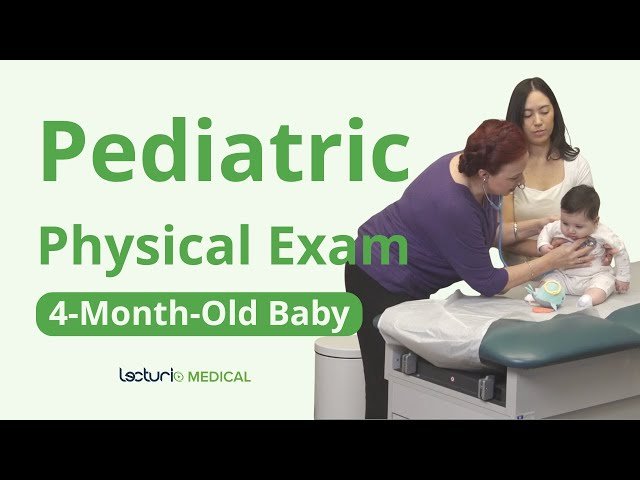
Watch a comprehensive 13-minute medical education video demonstrating a complete pediatric physical examination performed on a 4-month-old infant by an experienced healthcare provider. Learn essential clinical skills including proper sequencing of examination components, gentle handling techniques, and effective parent communication strategies throughout the assessment process. Master the systematic approach to pediatric examinations starting with lung and heart sound auscultation when the infant is calm, progressing through head and neck palpation, ear and eye examinations, oral and nasal cavity assessments, skin and chest observations, abdominal examination techniques, genitourinary and hip evaluations, neurological reflex testing including palmar grasp and stepping reflexes, spine examination, and concluding with parental guidance discussions. Discover professional techniques for examining ears and oral cavities without distressing the infant, assessing facial symmetry and red reflex for congenital anomalies, evaluating abdominal tone while palpating for liver, spleen and potential hernias, and conducting hip assessments through visual leg length checks and skin fold alignment. Gain valuable insights into adapting examination techniques based on infant behavior and mood while maintaining thorough clinical assessment standards. Perfect preparation for medical students, nursing students, nurse practitioner students preparing for clinical rotations, OSCEs, USMLE Step 2, NCLEX examinations, or pediatric specialty training, providing real-world clinical experience that bridges theoretical knowledge with practical application in pediatric healthcare settings.