

Courses
Discover thousands of courses from top institutions and platforms worldwide
Level
Course Type
Duration

YouTube
Explore garbage collection tuning and performance engineering in this 43-minute conference talk from Strange Loop. Dive into performance metrics, tuning tradeoffs, and goals while comparing three garbage collectors in OpenJDK's HotSpot JVM: Parallel Old, CMS, and G1. Learn about performance planning, experiment design, and infrastructural needs for effective tuning. Discover insights on response time metrics, GC performance engineering, and the realities of ideal garbage collection. Examine the tradeoffs between throughput and latency, and understand the characteristics of different collectors. Investigate topics such as Java heap management, concurrent mode failures, regionalized heaps, and humongous objects. Gain practical knowledge on generation sizing, scaling, reference processing times, and GC overhead. Explore tuning parameters for the Throughput Collector and G1 Collector, and find resources for further reading on garbage collection optimization.

YouTube
This conference talk at Devoxx Greece 2025 by Harry Roberts explores the complexities of modern performance engineering. Delve into the challenges of site speed testing despite improved awareness and tooling, addressing key questions about which tools to use, their reliability, how to run realistic and actionable tests, and determining success metrics. Learn highly practical tools and workflows that ensure purposeful testing and generate truly leverageable data. By the end of this 48-minute presentation, gain a comprehensive understanding of effective performance testing methodologies along with customized tooling techniques that guarantee replicable and predictable test results.

Pluralsight
Optimizing the performance of your Snowflake data platform is crucial for ensuring the efficiency and scalability of your data-driven operations. In this course, SnowPro Advanced Data Engineer: Performance Optimization, you'll gain the ability to become a Snowflake performance optimization expert. First, you'll explore techniques for troubleshooting underperforming queries, including identifying bottlenecks, outlining telemetry, increasing efficiency, and identifying root causes. Next, you'll discover how to configure Snowflake solutions for the best performance, including scaling out vs. scaling up, understanding virtual warehouse properties, optimizing micro-partitions and clustering, leveraging materialized views, and utilizing search and query acceleration services. Finally, you'll learn how to outline and use caching features, as well as monitor continuous data pipelines, including Snowpipe, tasks, and streams. When you're finished with this course, you'll have the skills and knowledge of Snowflake performance optimization needed to design, implement, and maintain highly efficient and scalable data solutions on the Snowflake platform.

Pluralsight
Microsoft Teams Phone System requires more than enabling licenses and configuring calling policies. Teams needs a stable network connection to provide the best possible experience, which requires planning and validation of your network design. In this course, Microsoft Teams Voice Engineer: Optimize Network Performance, you’ll learn how to optimize your network for Microsoft Teams Phone System. First, you’ll explore how to determine network readiness by estimating Teams traffic requirements using the Network Planner and other analysis tools. Next, you’ll learn about different methods for handling Teams traffic on VPNs and prioritizing traffic using QoS policies. Finally, you’ll discover how to configure your network topology in the Microsoft Teams service. When you’re finished with this course, you’ll have the skills and knowledge of optimizing network performance to plan and deploy Microsoft Teams Phone System to you organization.

AWS Skill Builder
This final course of the model development domain provides instructions to analyze ML model performance. You will learn about key concepts and techniques for model evaluation including classification and regression problem metrics. You will also learn how to identify convergence issues and ensure reproducible experimentation. Finally, you will use AWS services such as Amazon SageMaker Clarify and Amazon SageMaker Debugger to gain insight into machine learning (ML) training data and model issues. Course level: Advanced Duration: 1.5 hours Activities Online materials Exercises Knowledge check questions Course objectives Determine methods for creating performance baselines. Assess trade-offs between model performance, training time, and cost. Determine classification problem evaluation techniques and metrics. Determine regression problem evaluation techniques and metrics. Identify convergence issues and prevent model convergence issues with Amazon SageMaker Training Compiler and Amazon SageMaker Automatic Model Tuning (AMT). Identify SageMaker Clarify metrics for gaining insights into ML training data and models. Use SageMaker Clarify to interpret model outputs. Describe how to perform reproducible experiments using AWS services. Use SageMaker Model Debugger to debug model convergence. Intended audience Cloud architects Machine learning engineers Recommended Skills Completed at least 1 year of experience using SageMaker and other AWS services for ML engineering Completed at least 1 year of experience in a related role such as backend software developer, DevOps developer, data engineer, or data scientist A fundamental understanding of programming languages such as Python Completed preceding courses in the AWS ML Engineer Associate Learning Plan Course outline Section 1: IntroductionLesson 1: How to Use This Course Lesson 2: Course Overview Lesson 3: Performance Baselines Section 2: Model EvaluationLesson 4: Model Evaluation Techniques and Metrics Lesson 5: Convergence Issues Lesson 6: Debug Model Convergence with SageMaker Debugger Lesson 7: SageMaker Clarify and Metrics Overview Lesson 8: Interpret Model Outputs Using SageMaker Clarify Lesson 9: Amazon SageMaker Experiments Section 3: ConclusionLesson 10: Course Summary Lesson 11: Assessment Lesson 12: Contact Us

AWS Skill Builder
In this course, you will learn techniques for monitoring and maintaining the performance and reliability of your machine learning (ML) solutions using the monitoring capabilities of Amazon SageMaker. You begin by establishing the importance of monitoring and the types of drift in ML. Then, you will discover methods to detect data drift, model quality issues, statistical bias, and feature attribution drift. You will explore SageMaker Model Monitor for continuous monitoring, SageMaker Clarify for detecting bias and providing interpretable explanations, and SageMaker Model Dashboard for visualizing and analyzing performance metrics. This course shares best practices to help you build and maintain reliable, high-performing, and trustworthy ML solutions that align with the AWS Well-Architected Machine Learning Lens design principles. You will learn approaches for proactive decision-making, automated remediation, notifications, and retraining workflows, which will help keep your ML solutions effective over time. Course level: Advanced Duration: 2 hours and 30 minutes Activities Online materials Exercises Knowledge check questions Course objectives Describe the AWS Well-Architected Machine Learning Lens design principles for monitoring. Identify best practices to monitor data quality and model performance. Use SageMaker Model Monitor to continuously monitor models in production for data drift and model quality issues. Explain how Amazon SageMaker Clarify can detect model bias and provide interpretable explanations. Describe the benefits and use cases of SageMaker Clarify for attribution monitoring. Describe the benefits of monitoring model performance in production using A/B testing. Explain the key features and common use cases of SageMaker Model Dashboard. Proactively identify issues by monitoring ML solutions and implementing automated remediation, notifications, and retraining workflows. Intended audience Cloud architects Machine learning engineers Recommended Skills Completed at least 1 year of experience using SageMaker and other AWS services for ML engineering Completed at least 1 year of experience in a related role, such as backend software developer, DevOps developer, data engineer, or data scientist A fundamental understanding of programming languages, such as Python Completed preceding courses in the AWS ML Engineer Associate Learning Plan Course outline Section 1: Introduction Lesson 1: How to Use This Course Lesson 2: Domain Introduction Lesson 3: Course Overview Section 2: Monitoring Machine Learning Solutions Lesson 4: The Importance of Monitoring in ML Lesson 5: Detecting Drift in Monitoring Lesson 6: Amazon SageMaker Model Monitor Lesson 7: Monitoring for Data Quality Drift Lesson 8: Monitoring for Model Quality Using SageMaker Model Monitor Lesson 9: SageMaker Model Monitor Demo Lesson 10: Monitoring for Statistical Bias Drift with SageMaker Clarify Lesson 11: Monitoring for Feature Attribution Drift Lesson 12: Monitoring Model Performance Using A/B Testing Lesson 13: Introduction to SageMaker Model Dashboard Lesson 14: Choosing Your Monitoring Approach Section 3: Remediating Problems Identified by Monitoring Lesson 15: Automated Remediation and Troubleshooting Section 4: Conclusion Lesson 16: Course Summary Lesson 17: Assessment Lesson 18: Contact Us Keywords Gen AI Generative AI

YouTube
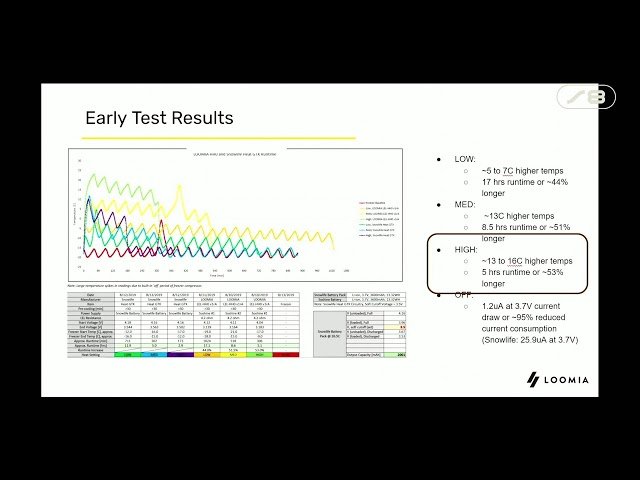
This talk explores the critical "Performance Complexity Curve" and its impact on engineering decisions and costs, based on Aleksey Shipilev's performance work phase diagram. Discover how senior software developers, architects, and engineering leaders can better understand and address performance bottlenecks and increasing system complexity. Learn to recognize the hidden costs that even experienced engineers often miss when making architectural and implementation decisions. The 50-minute presentation from InfoQ provides practical insights for navigating the relationship between performance optimization and system complexity in software development.
YouTube
Explore the technical applications and comparative advantages of electronic textiles beyond fashion in this 22-minute Hackaday conference talk. Delve into how e-textiles stack up against other flexible electronic technologies across robotics, automotive, and additional industrial sectors. Learn about knit e-textile implementations and traditional PCB alternatives while discovering solutions for complex electromechanical challenges. Gain insights into the practical considerations, benefits, and limitations of incorporating e-textile technologies into engineering applications.

Udacity
Build the skills needed to outsmart cyber threats. This Nanodegree teaches you how to secure infrastructure, assess vulnerabilities, and apply top industry practices to protect your organization from digital attacks.

edX
The Empathetic Engineer is a course that will enhance your capacity to harness your technology and problem-solving skills to deliver high impact, innovative solutions that address compelling social and environmental needs. It is a course that puts people, planet and nature at its core, enabling you to generate new levels of value for the markets or communities you serve, without compromising our world today or in the future. There has never been a more exciting time for engineers to make an impact at scale. We have a perfect storm of need and technological capability. We have the immense challenge of climate change, alongside a desperate need to create a more sustainable and equitable model of consumption and production. But we are also at the top of a wave of innovation, the likes of which have not been seen for around 120 years, where many distinct areas of technological progress are transforming our capacity to address the immense challenges we face. The challenges we face are systemic and our responses must be, too. Week by week, the course will take you through the 6 phases of the process we use, from first scoping a challenge you want to focus upon, researching it, drawing on those insights to generate a clear set of goals and ambitions, igniting your creative capacity to develop novel and exciting concepts, selecting, testing and refining them along with the business model before implementing an innovative solution, that addresses a compelling need. At the end of the course, you should be able to: Demonstrate theoretical and practical understanding of the different stages of the empathetic engineering approach in the context of engineering design projects. Analyse the socio-cultural, environmental, and economic factors that need to be considered in the given context. Apply the principles, methods and tools to an engineering design project to deliver more effective and measurable outcomes. Optionally, develop a project proposal that spans technological, socio-cultural, environmental and economic systems, including how the proposal creates and captures value for each of the relevant stakeholders. That is our goal, and we look forward to going on this journey together.

edX
As AI continues to reshape industries, demand is rising for professionals who can develop intelligent solutions that integrate seamlessly into cloud-based platforms. The AI Engineer program, developed by Microsoft and hosted on edX, equips learners with the technical knowledge and practical skills to build and deploy AI solutions using Azure AI services. Across three in-depth courses, you’ll begin with an introduction to Azure’s AI capabilities and progress to more advanced applications, including natural language processing, computer vision, and knowledge mining. You’ll also learn how to use services such as Azure OpenAI, Cognitive Services, and Azure Machine Learning to build enterprise-grade AI solutions. This program is ideal for software developers, cloud engineers, and data professionals looking to deepen their expertise in cloud-based AI. With hands-on labs, real-world use cases, and a focus on responsible AI design, this program sets you up for success in AI engineering roles and serves as a strong foundation for Azure AI certification paths.

edX
The Data Engineer program prepares you for one of the most in-demand roles in modern data infrastructure. Developed by Microsoft, this comprehensive program teaches you how to design, implement, and manage data solutions in the cloud using Azure Synapse Analytics, Apache Spark, and Azure Stream Analytics. You’ll gain hands-on experience building serverless SQL queries, performing large-scale data transformations, integrating hybrid transactional and analytical processing (HTAP), and implementing real-time streaming solutions. Whether you're transitioning into data engineering or looking to deepen your expertise in Azure's data ecosystem, this program provides the technical foundation and practical skills to support enterprise-grade data solutions.

edX
This program focuses on demonstrating your ability to build functional and effective applications, showcasing your skills and knowledge throughout the application development process. Emphasis is placed on practically applying learned concepts to real-world scenarios, validating your competence in app development. You will gain a comprehensive understanding of securing core cloud infrastructure across network, compute, storage, and database components. Learn fundamental network security principles, including implementing controls, managing traffic, deploying firewalls, configuring secure virtual networks, and using segmentation to protect resources. Explore tools and services to monitor and defend against threats, enabling you to design and maintain a secure network architecture. Additionally, you will delve into securing virtual machines, data at rest and in transit, and databases using best practices such as access control, encryption, and threat mitigation. Acquire the knowledge and hands-on skills necessary to manage and enhance an organization's security operations. This course covers key principles like risk assessment, incident response, and the strategic use of security technologies. You will learn how to monitor security events, analyze threats, and ensure compliance with industry standards. With a strong focus on real-world application, this course provides a solid foundation for effectively leading or supporting security operations.

Udemy
Master the Art of Sales and Technology to Drive Business Success as a Sales Engineer and Solutions Engineer What you'll learn: Feel confident preparing for a discovery call & sales demoUnderstand the sales process and how to master itReview basic technical concepts to understand industry trendsMaster interview responses to land your first technical sales positionDevelop a successful resume and Linkedin profile to improve your chance of an interviewShadow real interview responses and live demos of sales engineering The Sales Engineer and Solutions Engineer: Sales & Tech Training course is designed to equip individuals with the necessary knowledge and skills to become successful sales engineers in the technology industry. This comprehensive course covers a wide range of topics, including sales, engineering, and technical skills, to prepare learners for the diverse responsibilities of a sales engineer.Through this course, you will gain an understanding of the role of a sales engineer and the importance of effective communication, problem-solving, and technical expertise in the field. You will also learn about the sales process and how to leverage technical knowledge to identify customer needs and develop effective solutions.In addition, this course provides an overview of various technologies, including cloud computing, APIs, and cybersecurity, and how they can be used to meet customer needs. Throughout the course, you will have access to practical exercises that will enable you to apply the concepts you have learned to real-world scenarios. By the end of this course, you will have developed the skills and knowledge required to become a successful sales engineer and solutions engineer in the technology industry.So, if you are interested in pursuing a career as a sales engineer, this Sales Engineer and Solutions Engineer: Sales & Tech Training course is the perfect starting point for you. Enroll now and take the first step toward a rewarding career in the tech industry!
YouTube
Learn how to troubleshoot SQL Server like Microsoft engineers in this 56-minute conference talk from PASS Data Community Summit. Microsoft Principal Field Engineer Denzil Ribeiro and Senior Field Engineer Tim Chapman demonstrate the use of free public tools for creating performance data captures and customizing them for data analysis in your environment. Master the exact steps these Microsoft engineers take when utilizing these tools, gain access to their proven configurations, and develop advanced SQL Server troubleshooting techniques that can be immediately implemented in your own environment.

Udacity
Learn how to build and program intelligent robots with this Robotics Software Engineer Nanodegree. Master ROS, path planning, and environment mapping through projects led by experts.

Udacity
The goal of this course is to take existing IT professionals, whether they come from software development or operations, and help them appreciate the challenges facing companies who are looking to embrace scalable software deployment as well as the architectures and thought processes they can use to address these challenges. Students will start with a presentation of the problem as it stands today, then dive into the DevOps workflow and a survey of the system architectures currently being used to address this problem.

Coursera
Want to get started in the world of database engineering? This program is taught by industry-recognized experts at Meta. You’ll learn the key skills required to create, manage and manipulate databases, as well as industry-standard programming languages and software such as SQL, Python, and Django used for supporting outstanding websites and apps like Facebook, Instagram and more. In this program, you’ll learn: Core techniques and methods to structure and manage databases. Advanced techniques to write database driven applications and advanced data modeling concepts. MySQL database management system (DBMS) and data creation, querying and manipulation. How to code and use Python Syntax How to prepare for technical interviews for database engineer roles. Any third-party trademarks and other intellectual property (including logos and icons) referenced in the learning experience remain the property of their respective owners. Unless specifically identified as such, Coursera’s use of third-party intellectual property does not indicate any relationship, sponsorship, or endorsement between Coursera and the owners of these trademarks or other intellectual property.

Coursera
In this course you’ll complete a capstone project in which you’ll create a database and client for Little Lemon restaurant. To complete this course, you will need database engineering experience. The Capstone project enables you to demonstrate multiple skills from the Certificate by solving an authentic real-world problem. Each module includes a brief recap of, and links to, content that you have covered in previous courses in this program. In this course, you will demonstrate your new skillset by designing and composing a database solution, combining all the skills and technologies you've learned throughout this program to solve the problem at hand. By the end of this course, you’ll have proven your ability to: -Set up a database project, -Add sales reports, -Create a table booking system, -Work with data analytics and visualization, -And create a database client. You’ll also demonstrate your ability with the following tools and software: -Git, -MySQL Workbench, -Tableau, -And Python.

DataCamp
## Become a Cutting-Edge Machine Learning Engineer Step into the exciting world of machine learning engineering with this comprehensive Track designed for aspiring professionals. You'll learn everything you need to know about model deployment, operations, monitoring, and maintenance to become a well-rounded machine learning engineer. ## Master the Fundamentals of MLOps Gain a deep understanding of the core concepts of MLOps as you: * Explore the modern MLOps framework and lifecycle * Learn to design, train, and deploy end-to-end models * Gain hands-on experience with key technologies like Python, Docker, and MLflow * Understand crucial concepts like CI/CD, deployment strategies, and concept drift ## Gain Practical Skills Through Real-World Projects Apply your knowledge to solve authentic challenges that mirror the day-to-day work of a machine learning engineer. You'll have the opportunity to develop predictive models for agriculture, forecast temperatures in London using advanced techniques, and build reliable data pipelines using ETL and ELT principles. ## Develop a Versatile Machine Learning Engineering Skill Set Throughout this Track, you'll gain expertise in building and deploying machine learning models in production environments, ensuring their performance remains optimal over time. You'll explore methods for monitoring models and addressing issues related to data and concept drift while leveraging data version control for efficient ML data management. Additionally, you'll learn how to implement CI/CD pipelines to streamline model development and deployment, making machine learning workflows more reliable and scalable. ## Prepare for a Junior Machine Learning Engineer Role Upon completing this Track, you'll have the knowledge and practical experience to confidently pursue junior machine learning engineer positions. You'll be equipped to: * Collaborate with data science teams to bring models from concept to production * Optimize model performance and ensure seamless integration with business systems * Continuously monitor and maintain deployed models to deliver reliable results * Contribute to the development of scalable and efficient machine learning infrastructure Note: This Track assumes prior knowledge of data manipulation, training, and evaluating machine learning models using Python. ## Unlock Your Potential in Machine Learning Engineering Start this transformative journey to become a sought-after machine learning engineer. With interactive courses, real-world projects, and expert instruction, you'll gain the skills and confidence to make a lasting impact in this cutting-edge field.