

Courses
Discover thousands of courses from top institutions and platforms worldwide
Level
Course Type
Duration

Study.com
This self-paced study guide course covers the topics you'll find on the ANCC Family Nurse Practitioner Exam. Our short, engaging lessons and self-assessment quizzes will help you solidify your knowledge so you'll be prepared to earn a passing score.

Study.com
This study guide course will help you adequately prepare for and pass the ANCC Adult-Gerontology Primary Care Nurse Practitioner Board Certification exam. Work at your own pace day or night on your phone, tablet, or computer.

Study.com
Prepare yourself for the ANCC Adult-Gerontology Acute Care Nurse Practitioner exam using this comprehensive course. Take advantage of extra features like video transcripts and quizzes to boost your efficiency and study according to your needs.
YouTube
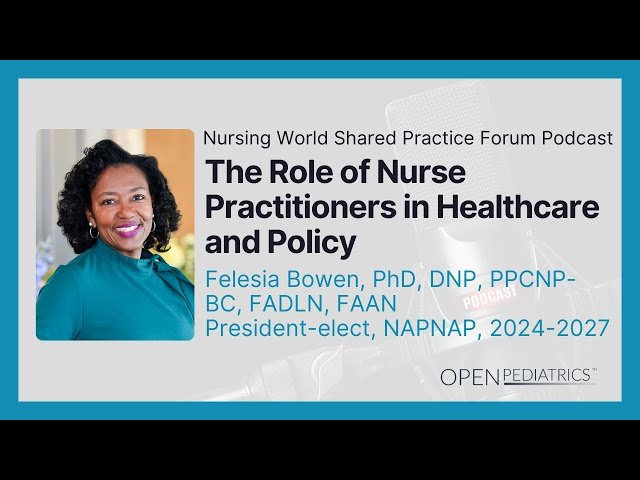
Explore a 30-minute podcast lecture from the Nursing World Shared Practice Forum featuring Dr. Felesia Bowen, President-elect of the National Association of Pediatric Nurse Practitioners (NAPNAP), who examines the dynamic landscape of nurse practitioners in modern healthcare delivery and policy-making. Gain insights into the essential role of nurse practitioners in health promotion, understand current legislative challenges affecting their scope of practice, and learn about NAPNAP's strategic initiatives for advancing health equity through global partnerships. Discover practical approaches for diversifying the nursing workforce to address healthcare disparities, while understanding the push for standardized national practice guidelines. Learn from Dr. Bowen's expertise as a Professor and Associate Dean at the University of Alabama at Birmingham, alongside insights from Julia McSweeney, Senior Director of Advanced Nursing Practice at Boston Children's Hospital, in this peer-reviewed educational content from OPENPediatrics' interactive digital learning platform.

XuetangX
Psychiatry, an important branch of clinical medicine, is an important discipline to study the rules of human mental activity, the mechanism of mental disorders, the prevention and treatment of mental diseases, the promotion of mental health, and the improvement of national psychological quality and quality of life.The lecturers of this course are all experts in the field of psychiatry with rich teaching experience. Through the comprehensive teaching concept of biopsychosocial medicine model, this course mainly focuses on the etiology, pathogenesis, clinical manifestations, disease outcome, diagnosis, and treatment of common mental diseases.This course is designed for medical students as well as health care professionals and mental health workers interested in psychiatry. This course is characterized by the systematic decomposition of each chapter into multiple knowledge points and vivid illustration in the form of video explanation and supporting PPT materials, making knowledge points easier for learners to follow and master. At the same time, we consolidate the learning by quizzes and interactive discussions on the platform. In addition, with the technological support of the platform, abundant extended resources are available and updated timely, to inspire and guide students to learn more comprehensively and effectively.

Study.com
Use this study guide course to prepare for and pass the AANP Adult-Gerontology Primary Care Nurse Practitioner exam. Study or review the easy-to-understand lessons and take challenging practice tests at your own time and pace.

Study.com
Prepare to succeed on your AACN Acute Care Adult-Gerontology Nurse Practitioner (ACNPC-AG) certification with this self-paced study guide course. Our study guide includes video lessons, self-assessment quizzes, and practice tests that will make sure you're ready to score well.

YouTube
Explore strategies for incorporating exercise into your daily routine during the COVID-19 pandemic in this 31-minute webinar presented by Magdalena Ford, a Nurse Practitioner and Certified Diabetes Care and Education Specialist at Stanford Health Care. Learn about the American Diabetes Association's exercise recommendations and the benefits of physical activity for diabetes management. Discover various ways to track exercise, increase physical activity, and create an effective exercise plan tailored to the pandemic conditions. Gain insights on monitoring and managing hypoglycemia during exercise, and understand the connection between mental health and COVID-19. The webinar also addresses common questions about exercise intensity and forms of physical activity. Part of the Stanford Medicine Diabetes Care Program's monthly webinar series, this presentation offers valuable information for adults with diabetes and their families.

edX
Overview Internet Enduring Material Sponsored by the Stanford University School of Medicine. Presented by the Department of Psychiatry and Behavioral Sciences at Stanford University School of Medicine This CME activity provides a practical approach to the identification and screening of suspected psychosis. Narrative storytelling and didactic pieces provide a unique insight into the mind of a patient experiencing the early signs and symptoms of psychosis. Case scenarios will be used to demonstrate skills in talking to young people, and their families, about psychosis. Early warning signs will be reviewed along with high-yield screening questions to support understanding, identifying and treating psychosis in adolescents and young adults. Intended Audience This course is designed for family practice, primary care, pediatrics and psychiatry physicians, nurse practitioners, physician assistants and school social workers. Accreditation In support of improving patient care, Stanford Medicine is jointly accredited by the Accreditation Council for Continuing Medical Education (ACCME), the Accreditation Council for Pharmacy Education (ACPE), and the American Nurses Credentialing Center (ANCC), to provide continuing education for the healthcare team. **** Credit Designation American Medical Association (AMA) The Stanford University School of Medicine designates this enduring material for a maximum of 2.00 AMA PRA Category 1 Credits™. Physicians should claim only the credit commensurate with the extent of their participation in the activity. **** If you would like to earn CME credit from Stanford University School of Medicine for participating in this course, please review the information here prior to beginning the activity.
Independent
Stanford Center for Continuing Medical Education, Identifying Early Signs of Psychosis in Adolescents and Young Adults, 11/16/2018 12:00:00 AM - 1/1/2024 12:00:00 AM, Internet Enduring Material Sponsored by the Stanford University School of Medicine. Presented by the Department of Psychiatry and Behavioral Sciences at Stanford University School of Medicine This CME activity provides a practical approach to the identification and screening of suspected psychosis. Narrative storytelling and didactic pieces provide a unique insight into the mind of a patient experiencing the early signs and symptoms of psychosis. Case scenarios will be used to demonstrate skills in talking to young people, and their families, about psychosis. Early warning signs will be reviewed along with high-yield screening questions to support understanding, identifying and treating psychosis in adolescents and young adults. Intended Audience This course is designed for family practice, primary care, pediatrics and psychiatry physicians, nurse practitioners, physician assistants and school social workers.

Coursera
What are some of the skills required when interviewing patients? What information is required when taking a patient history or completing a mental state examination? These are just some of the questions you'll seek answers to as you work through the course material. Mental health is an important public issue across the world, and the role of the psychiatrist is crucial in helping to address these. This course aims to give you a more nuanced understanding of the role of a psychiatrist, developing clinical skills and therapeutic relationships. Understanding the impact of mental illness in society and ethics in medicine are some of the key themes central to this course. This course is designed to provide essential background knowledge and practical skills that apply to any mental health clinical setting.

YouTube
Explore the crucial topic of caregiver support in this informative 38-minute session from WVCTSI Project ECHO Psychiatry. Gain valuable insights into the challenges faced by caregivers and learn effective strategies to provide them with essential support. Discover resources and techniques to help caregivers maintain their own well-being while caring for others, and understand the importance of addressing caregiver burnout and stress. Delve into practical approaches for enhancing caregiver resilience and improving the overall quality of care provided to patients.

YouTube
Learn about effective treatment planning in psychiatry through this informative 36-minute video from WVCTSI Project ECHO's Psychiatry series. Explore key concepts and strategies for developing comprehensive treatment plans to address various mental health conditions. Gain insights into best practices for setting therapeutic goals, selecting appropriate interventions, and monitoring patient progress. Enhance your skills in creating individualized treatment approaches that optimize patient outcomes and promote long-term mental health and well-being.

YouTube
Explore the groundbreaking field of psychedelic therapy in this 41-minute conference talk from the 36C3 event. Delve into how psychedelic research is challenging the current paradigm of mental healthcare and potentially revolutionizing treatment approaches. Learn about the promising results of substance-assisted psychotherapies using psilocybin, LSD, and MDMA in ongoing clinical trials for conditions like depression, PTSD, and anxiety. Understand the key differences between conventional daily medication approaches and the limited-session model of psychedelic therapy. Gain insights into the principles of psychedelic research, its potential benefits, and limitations in addressing various mental health issues. Discover why this emerging field is considered a game-changer in psychiatry while maintaining a balanced perspective on its capabilities and constraints.

YouTube
Explore current trends in community psychiatry through this recorded Grand Rounds presentation from Johns Hopkins Psychiatry and Behavioral Sciences. Join Dr. Bernadette Cullen, M.B.B.Ch., as she delves into the evolving landscape of mental health care in community settings. Gain insights into innovative approaches, challenges, and future directions shaping the field of community psychiatry. Learn about strategies for improving access to mental health services, integrating care models, and addressing the unique needs of diverse populations. Understand the impact of recent developments on patient outcomes and healthcare delivery systems. While the window for earning CME credit has expired, this 38-minute lecture offers valuable knowledge for mental health professionals, students, and anyone interested in the advancement of community-based psychiatric care.

edX
Nursing programs partner with a variety of clinical practice settings to provide student nurses expert clinical training. This essential partnership assures students are prepared to provide quality patient care. Within these practice sites, staff registered nurses (RNs) provide nursing students rich clinical learning experiences within a safe yet challenging learning environment. These RNs are identified as Nurse Preceptors. While many clinical practice sites have programs that prepare staff nurses to precept new employees, most programs do not include specific preparation for working with nursing students. This Preceptor Development Program is designed to prepare registered nurses to construct high quality, rich, and effective learning experiences. Staff RNs who participate in preceptor development programs report more confidence and satisfaction in the preceptor role. This effect translates to the student’s learning as well. Students who have well prepared clinical preceptors describe effective and valued learning experiences. Topic areas covered in these modules include: 1. Preceptor roles and responsibilities 2. Assessing learner needs and learning styles 3. Clinical teaching 4. Critical thinking and clinical decision making 5. Legal issues in preceptorships 6. Communication and conflict resolution 7. Managing learning experiences of culturally and generationally diverse students Verified learners may receive 8 continuing education units (CE's) from the University of Maryland School of Nursing. The University of Maryland School of Nursing is an accredited provider of continuing nursing education by the American Nurses Credentialing Center's Commission on Accreditation.

YouTube
Learn about the assessment and management of pediatric cervical spine injuries in this 20-minute medical education video presented by Dr. Sujit Iyer. Gain essential knowledge for physicians, physician assistants, nurse practitioners, registered nurses, and primary care providers who treat pediatric emergencies. Explore evidence-based approaches and current guidelines for handling cervical spine trauma in children, from newborns to adolescents. Part of a comprehensive 22-hour pediatric emergency medicine course, this lecture delivers data-driven content from experienced pediatric emergency medicine educators to build confidence in diagnosing and treating these challenging cases.

YouTube
Explore the credentialing opportunities and benefits offered by the International Association of Forensic Nurses (IAFN) in this informative 19-minute keynote talk by Kathleen Maguire. Learn about IAFN's role in developing forensic nursing standards, its partnership with the Office on Violence Against Women, and the dissemination of the National SAFE Protocol. Discover the various membership options, including international and student memberships, and understand the advantages of IAFN certifications for practitioners, consumers, and employers. Gain insights into the resources available and the impact of Sexual Assault Nurse Examiners (SANEs) in the field of forensic nursing.

YouTube
Explore research findings on characteristics of successful nurse directors in this 34-minute video lecture by Dr. Debra Burke. Gain insights into factors contributing to high employee satisfaction scores, including effective leadership strategies, creating supportive work environments, and maintaining work-life balance. Learn about the importance of staff connections, succession planning, and future trends in nursing leadership. Discover valuable information for aspiring and current nurse directors seeking to enhance their management skills and improve team performance in healthcare settings.

Coursera
In today’s world, mental illness and distress are common and these account for a significant burden of disability within our community. At the same time, there is a growing interest in understanding and enhancing positive mental health and wellbeing; particularly from developments in the fields of positive psychology and mental health promotion. Positive Psychiatry is a new term (Jeste et al 2016) that describes a dual approach to mental health, where we build strengths, supports and healthy lifestyles as well as treating illness and distress. In this course, we will explore different aspects of good mental health as well as provide an overview of the major kinds of mental disorders, their causes, treatments and how to seek help and support. The course will feature a large number of Australian experts in psychiatry, psychology and mental health research, and we will also hear from “lived experience experts”, people who have lived with mental illness, and share their personal stories of recovery. We take an evidence-based approach to a range of strategies that anyone can use to enhance their own mental health and that of others, from exercise and relaxation techniques through to the role of love, relationships and 'good' types of work. We cover topics from creativity and yoga through to psychiatric medications and psychotherapies.