

Courses
Discover thousands of courses from top institutions and platforms worldwide
Level
Course Type
Duration
Udemy
Master Risk Management Essentials and Earn Your Certified Associate Professional Risk Manager Credential What you'll learn: Key principles of risk management: Understanding the foundational concepts and strategies that guide effective risk management across industries.Types of risks: Identifying and analyzing different forms of risks such as financial, operational, market, and credit risks.Risk management frameworks: Exploring widely used frameworks like ISO 31000, COSO ERM, and NIST for managing organizational risks.Roles and responsibilities in risk management: Learning how senior leadership, boards, and risk officers contribute to implementing and overseeing risk strategiRisk and return theory: Applying concepts such as Modern Portfolio Theory (MPT), Capital Asset Pricing Model (CAPM), and Efficient Market Hypothesis (EMH) to baPortfolio risk management: Understanding diversification strategies and the risk-return trade-off to develop resilient investment portfolios.Corporate risk management techniques: Learning to implement internal risk controls, risk identification, and mitigation strategies within corporate settings.Financial regulation and compliance: Understanding regulatory frameworks such as Basel III and how they influence corporate risk governance.Market risk management: Analyzing and managing risks associated with interest rates, foreign exchange, and commodity prices in financial markets.Asset-liability management (ALM): Gaining insights into liquidity risk, interest rate sensitivity, and ALM performance metrics in banking and financial institutOperational risk management: Identifying risks in processes, systems, and technologies and learning strategies to mitigate risks such as fraud and human error.Stress testing and scenario analysis: Understanding how stress tests and scenario analysis help organizations prepare for and respond to crises.Emerging risks: Identifying and managing emerging risks such as cybersecurity threats, climate change, and geopolitical risks.Ethics in risk management: Exploring ethical considerations and professional standards in risk decision-making and promoting an ethical risk culture.Risk governance principles: Understanding the role of governance in ensuring effective risk communication and oversight at senior management levels.Tools for managing market risk: Learning about tools and techniques used to manage exposure to market volatility and mitigate financial losses. Risk management plays a critical role in today’s business environment, helping organizations navigate uncertainties and protect their assets. This course provides a thorough examination of the principles and methodologies that underpin effective risk management across industries. It equips students with the knowledge needed to assess and mitigate various types of risks, such as financial, operational, and market risks. By examining these risks in detail, students will gain a solid understanding of how to apply key risk management strategies in diverse business scenarios.The course begins with an exploration of the key principles of risk management, emphasizing how organizations can adopt structured approaches to safeguard their operations and ensure long-term sustainability. Students will study various types of risks, including credit, market, and operational risks, and learn how these factors influence business decisions. The focus on real-world applications ensures that students can appreciate how these risks manifest in everyday corporate activities.In addition to understanding different types of risks, students will delve into widely accepted frameworks used by businesses to manage risk. Models such as ISO 31000, COSO ERM, and NIST are explored in detail, providing students with the tools to apply these frameworks in practical contexts. The course also covers the roles and responsibilities of senior leadership in overseeing risk management, highlighting the strategic importance of risk management within organizational structures.Another key area covered is the relationship between risk and return. Students will learn how to measure risk in investment portfolios and apply concepts like Modern Portfolio Theory (MPT), the Capital Asset Pricing Model (CAPM), and the Efficient Market Hypothesis (EMH). These tools help students understand how risk and return are balanced in investment decisions. By studying risk-return trade-offs and diversification strategies, students will develop the ability to create resilient portfolios that minimize potential losses.Corporate risk management is another significant component of the course. It explores internal risk controls and mitigation techniques tailored to corporate settings, with particular attention to risks posed by cybersecurity threats, supply chain disruptions, and operational inefficiencies. Students will learn to assess these risks using structured methods and implement strategies to mitigate them effectively.The course also offers a comprehensive overview of financial market risks, including interest rate risk, foreign exchange risk, and commodity price risk. Students will explore how financial institutions manage these risks using sophisticated tools and strategies. Additionally, the section on asset-liability management (ALM) provides insights into liquidity risk, interest rate sensitivity, and the metrics used to gauge ALM performance in banking and financial services.Operational risk management is addressed by exploring the risks inherent in business processes and technologies. This section emphasizes the importance of managing human error and fraud, as well as the growing role of technology in risk mitigation. By understanding these challenges, students will be better equipped to implement solutions that safeguard organizations from internal and external threats.The course also prepares students to handle emerging risks, such as those posed by cybersecurity, climate change, and geopolitical instability. As businesses face increasingly unpredictable environments, the ability to anticipate and respond to new threats is vital. The course encourages students to think strategically about risk, equipping them with the foresight needed to manage emerging challenges.Finally, ethical considerations in risk management are explored, ensuring that students understand the importance of professional conduct and integrity in decision-making. By promoting an ethical risk culture, organizations can enhance both their internal operations and external reputation.Overall, this course provides a deep understanding of risk management strategies and frameworks, helping students develop a robust theoretical foundation. Through detailed analysis and critical thinking, students will be prepared to lead in roles that require advanced risk management skills.

Udemy
Understand the framework for managing risk proposed by ISO 31000 and the risk techniques of IEC 31010 What you'll learn: The risk management framework of ISO 31000Principles of risk managementSelection of the risk assessment techniquesRisk techniques of IEC 31010Risk treatment options The purpose of this course is to present the framework for risk management proposed by ISO 31000 along with the multiple risk techniques from IEC 31010 (a supporting standard for ISO 31000).After going through the lessons you will have a good understanding of the risk management principles, the framework of ISO 31000, risk assessment techniques or available risk treatment options. The structure of the course includes:- general aspects about risk management and the framework proposed by ISO 31000- risk management principles- the support and involvement of top management for the risk management process- the risk assessment process and the selection of the appopriate risk techniquesA brief presentation of the general aspects of risk techniques from IEC 31010 including:- Brainstorming;- Structured and semi-structured interviews;- the Delphi technique;- HAZOP (Hazard and Operability);- HACCP (Hazard Analysis and Critical Control Points);- Business impact analysis;- Root cause analysis;- FMEA and FMECA - Failure Modes and Effects (and Criticality) Analysis;- Fault tree analysis;-Event tree analysis;- Cause - consequence analysis;- Cause and effect analysis;- Bow tie analysis;- Reliability centered maintenance;- Markov analysis;- Monte Carlo simulation;- Consequence probability matrix;- Cost - benefit analysis;- Multi criteria decision analysis;and others.The final part of the course is about risk treatment options, concepts like residual and secondary risk, monitoring and improvement of the risk management process.The various risk techniques of IEC 31010 are explained in an easy to understand way with simple examples.At the end of the course there is a quiz - with questions from the subject matter. Learn about how to develop and apply a risk management process by following the framework of ISO 31000.

Udemy
Risks, Risk Management, Definitions and Concepts, Strategic, Financial, Operational, Compliance, and Reputation Risks What you'll learn: Risk ManagementIntroduction to Risk Management: Definitions and ConceptsImportance of Risk Management for OrganisationsTypes of Risks: Strategic, Financial, Operational, Compliance, and Reputational RisksRisk Identification: Recognising and Assessing RisksRisk Analysis TechniquesRisk Appetite and Risk ToleranceRisk Mitigation Strategies: Avoidance, Reduction, Transfer, and AcceptanceRisk Monitoring and ControlEnterprise Risk Management (ERM): Integrated Approach to Managing Risks Across the OrganisationRisk Management Frameworks and Standards: COSO, ISO 31000 Welcome to Program: Associate Professional Risk Manager (Associate PRM Certificate) by MTF Institute Course provided by MTF Institute of Management, Technology and FinanceMTF is the global educational and research institute with HQ at Lisbon, Portugal, focused on business & professional hybrid (on-campus and online) education at areas: Business & Administration, Science & Technology, Banking & Finance. MTF R&D center focused on research activities at areas: Artificial Intelligence, Machine Learning, Data Science, Big Data, WEB3, Blockchain, Cryptocurrency & Digital Assets, Metaverses, Digital Transformation, Fintech, Electronic Commerce, Internet of Things. MTF is the official partner of: IBM, Intel, Microsoft, member of the Portuguese Chamber of Commerce and Industry.MTF is present in 215 countries and has been chosen by more than 620 000 students. Course Author:Dr. Alex Amoroso is a seasoned professional with a rich background in academia and industry, specializing in research methodologies, strategy formulation, and product development. With a Doctorate Degree from the School of Social Sciences and Politics in Lisbon, Portugal, where she was awarded distinction and honour for her exemplary research, Alex Amoroso brings a wealth of knowledge and expertise to the table.In addition to her doctoral studies, Ms. Amoroso has served as an invited teacher, delivering courses on to wide range of students from undergraduate level to business students of professional and executives courses. Currently, at EIMT in Zurich, Switzerland, she lectures for doctoral students, offering advanced instruction in research design and methodologies, and in MTFInstitute Ms. Amoroso is leading Product Development academical domain.In synergy between academical and business experience, Ms. Amoroso achieved high results in business career, leading R&D activities, product development, strategic development, market analysis activities in wide range of companies. She implemented the best market practices in industries from Banking and Finance, to PropTech, Consulting and Research, and Innovative Startups.Alex Amoroso's extensive scientific production includes numerous published articles in reputable journals, as well as oral presentations and posters at international conferences. Her research findings have been presented at esteemed institutions such as the School of Political and Social Sciences and the Stressed Out Conference at UCL, among others.With a passion for interdisciplinary collaboration and a commitment to driving positive change, Alex Amoroso is dedicated to empowering learners and professionals for usage of cutting edge methodologies for achieving of excellence in global business world. Risk management is the process of identifying, assessing, and controlling potential threats to an organization. These threats, or risks, could stem from a wide variety of sources. Here are the main focuses of risk management:Identification: Finding potential risks that could affect your organization or project. This involves brainstorming, looking at past issues, and considering what might happen in the future.Assessment: Determining the likelihood of those risks happening and how severe the impact would be if they did. This helps prioritize which risks need the most attention.Control: Taking steps to reduce the likelihood of the risks happening or to minimize their impact if they do. This might involve things like putting safety procedures in place, buying insurance, or having backup plans. Why is it important?Minimizes losses: By identifying and managing risks, companies can reduce financial losses, protect their reputation, and avoid legal issues.Improves decision-making: Risk management provides a framework for making informed decisions, considering potential downsides and opportunities.Enhances resilience: It helps companies to be prepared for unexpected events and to bounce back quickly from setbacks.Increases the likelihood of success: By addressing potential problems proactively, companies can increase their chances of achieving their goals. For managers specifically:Protects their team: Managers are responsible for the safety and well-being of their team. Risk management helps them create a safe work environment and minimize potential harm.Builds trust: Employees trust managers who are prepared and take steps to protect them from risks.Improves performance: When risks are managed effectively, employees can focus on their work without worrying about potential problems. In uncertain world, risk management is more critical than ever. It's an essential skill for companies and managers who want to thrive in the face of challenges.
Microsoft Learn
Module 1: In this module, you will learn why compliance management has become so important and be introduced to Microsoft’s solution for compliance management.At the end of this module, you should be able to:Describe why compliance management is important.List common compliance management challenges.Explain how Microsoft Compliance Manager helps you achieve compliance management goals.Module 2: In this module, you will learn about the shared responsibility model and important Compliance Manager concepts.At the end of this module, you should be able to:Describe the shared responsibility model.Explain key Compliance Manager concepts.Module 3: In this module, you will learn about the shared responsibility model and important Compliance Manager concepts.At the end of this module, you should be able to:Describe the key components of the Compliance Manager user experience.List key capabilities available in the various Compliance Manager features.
YouTube
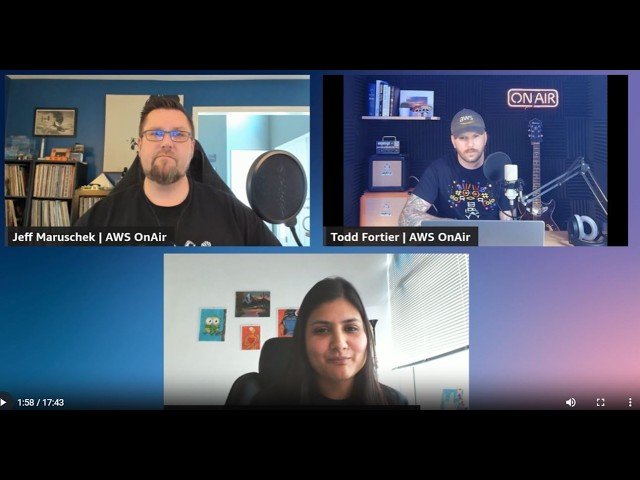
Learn about AWS Audit Manager's new common controls library in this 18-minute video that demonstrates how to streamline risk and compliance assessments in cloud environments. Discover how compliance teams can leverage AWS managed groupings of evidence sources to automate evidence collection and eliminate redundant work across overlapping compliance standards. Explore how Audit Manager assists in continuously monitoring AWS usage while simplifying the assessment of policies, procedures, and control effectiveness. Gain practical insights into using the common controls feature to build automated evidence collection processes that help evaluate risk and maintain compliance with industry regulations and standards.

LinkedIn Learning
Prepare to pass the Certified Information Security Manager (CISM) exam. Explore the detailed information you need to prepare for the Information Risk Management exam domain.

Trailhead
Prepare for a career as a cybersecurity risk manager.Discover what it means to build cybersecurity risk management in an organization.Explore a cybersecurity risk manager’s role in identifying, managing, and detecting risks.

YouTube
Embark on an inspiring journey through the life and career of Wynand Serfontein in this TEDx talk. Follow his path from achieving his childhood dream of flying jets as a fighter pilot in the South African Air Force to his current role as a Crew Fatigue Risk Manager at DHL. Discover how Serfontein navigated through various professional challenges, including piloting for the International Red Cross in Angola, flying commercial passenger aircraft for South Africa Airways, and transitioning to wealth management after being retrenched due to COVID. Learn about the importance of adaptability and perseverance as Serfontein shares his experiences and insights gained from his diverse career spanning aviation, finance, and safety management. Gain valuable lessons on staying the course while embracing the unique twists and turns of one's individual journey.

Coursera
All organisations must grapple with fundamental issues at the heart of governance: who are our stakeholders? What are their objectives? How can we ensure these objectives are met as effectively as possible? How can we ensure all legitimate stakeholders are treated fairly? Via structured learning activities (video lectures, quizzes, discussion prompts and written assessments) this course will teach you how to address these questions and how a sound governance structure and comprehensive risk management framework can support you and your organisation in achieving its objectives. You will consider contemporary ethical issues and devise practical responses to them, and finally, you’ll discover that your future ‘influencing’ challenge will be to encourage all members of your organisation to understand their role in serving your organisation’s stakeholders.

LinkedIn Learning
Learn how to manage your manager. In this course, adapted from the podcast How to Be Awesome at Your Job, Mary Abbajay explains how to build a good relationship with your boss.

LinkedIn Learning
Learn how to create and manage apps with SCCM and prepare for Microsoft certification exam 70-703. See how to deploy apps using PowerShell scripts, and deploy App-V virtual apps.
Coursera
In this course, you’ll discover how Generative AI can enhance risk detection, automate monitoring, and improve decision-making. Through hands-on projects and real-world case studies, you’ll gain practical expertise to apply AI-driven strategies in complex risk environments. Whether you’re a risk professional or business leader, this course will equip you with the tools to transform your approach to risk management. This course is designed for experienced professionals at the forefront of risk management, quantitative analysis, and AI-driven modeling. Whether you're a Senior Risk Analyst or Manager looking to enhance predictive insights, a Quantitative Risk Specialist refining complex risk models, or an AI Risk Model Developer integrating GenAI into risk assessment frameworks, this course offers advanced methodologies to elevate your expertise. Enterprise Risk Architecture Specialists will gain insights into multi-source data integration, while Advanced Risk Analytics Professionals will explore cutting-edge AI-driven techniques to automate risk detection and enhance decision-making in high-stakes environments. To ensure you gain the most from this course, we recommend a solid foundation in risk analysis and AI-driven methodologies. Learners should have completed GenAI for Risk Managers: Essentials (or possess equivalent experience), along with a working knowledge of risk modeling, quantitative analysis, and fundamental machine learning concepts. Familiarity with established risk management frameworks and tools will further enhance your ability to apply advanced GenAI techniques effectively. This course is designed for professionals ready to push the boundaries of AI-driven risk strategies. By the end of this course, you will have the skills and confidence to integrate Generative AI into your risk management strategies effectively. You’ll be equipped with advanced techniques for risk detection, scenario modeling, and real-time monitoring, enabling you to make data-driven decisions with greater precision. As AI continues to transform the risk landscape, your ability to leverage GenAI will position you at the forefront of innovation in risk management.

Pluralsight
With all of the risks related to cloud computing we need to be able to manage them to an acceptable degree. This course will teach you the important elements of cloud governance and risk management. The cloud security alliance publishes a list of top threats to cloud computing that follows an alliterative word and number match. The lists are helpful to inform best practices to protect your cloud assets and services. In this course, Manage Cloud Security and Risk, you’ll learn to the important elements of managing these risks. First, you’ll explore how to maintain compliance and audit in the cloud. Next, you’ll discover how to establish governance and risk management in the cloud. Finally, you’ll learn how to examine legal, contract, and e-discover issues as related to using the cloud. When you’re finished with this course, you’ll have the skills and knowledge of Managing Cloud Security and Risk needed to reduce risks to an acceptable degree to the business.

Coursera
Updated in May 2025. This course now features Coursera Coach! A smarter way to learn with interactive, real-time conversations that help you test your knowledge, challenge assumptions, and deepen your understanding as you progress through the course. This course equips IT managers with essential skills in cyber risk management, focusing on identifying, analyzing, and managing cybersecurity risks. Learn strategies like mitigation, avoidance, transference, and acceptance to tackle threats and vulnerabilities. Understand threat dynamics, information classification, and security control implementation. Explore vulnerability management techniques, including ethical hacking and penetration testing. Gain insights into quantitative and qualitative risk analysis methods in real-world scenarios. By course end, IT managers will be ready to implement robust strategies to defend against cyber threats and enhance their company's security posture. Learn the foundations of risk management: determine, analyze, mitigate, transfer, avoid, and monitor risks. Manage third-party cyber risks, perform ethical hacking/penetration testing, and calculate quantitative/qualitative risk analyses. Designed for IT or cybersecurity managers, this course requires a basic understanding of cybersecurity and offers comprehensive insights into cyber risk management.
Microsoft Learn
Module 1: Insider risk management in Microsoft 365 helps organizations address internal risks, such as IP theft, fraud, and sabotage. Learn about insider risk management and how Microsoft technologies can help you detect, investigate, and take action on risky activities in your organization.Upon completion of this module, you should be able to:Explain how insider risk management in Microsoft 365 can help prevent, detect, and contain internal risks in an organization.Describe the types of built-in, pre-defined policy templates.List the prerequisites that need to be met before creating insider risk policies.Explain the types of actions you can take on an insider risk management case.Module 2: Communication compliance in Microsoft 365 is a solution that helps organizations address code-of-conduct policy violations in company communications, while also assisting organizations in regulated industries meet specific supervisory compliance requirements. Communication Compliance uses machine learning to intelligently detect violations across different communication channels such as Microsoft Teams, Exchange Online, or Yammer messages.Upon completion of this module, you should be able to:List the enhancements in communication compliance over Office 365 Supervision policies, which it will replace.Explain how to identify and remediate code-of-conduct policy violations.List the prerequisites that need to be met before creating communication compliance policies.Describe the types of built-in, pre-defined policy templates.Module 3: Information barriers enable administrators to define policies to allow or prevent communications between groups of users in Microsoft Teams chats and channels. When information barrier policies are in place, people who should not communicate with other specific users won't be able to find, select, chat, or call those users. With information barriers, checks are in place to prevent unauthorized communication.Upon completion of this module, you should be able to:Describe how information barrier policies can help your organization maintain compliance with relevant industry standards and regulations, and avoid potential conflicts of interest.List the types of situations when information barriers would be applicable.Explain the process of creating an information barrier policy.Explain how to troubleshoot unexpected issues after information barriers are in place.Module 4: Privileged access management allows granular access control over privileged admin tasks in Office 365. Privileged access management requires users to request just-in-time access to complete elevated and privileged tasks through a highly scoped and time-bound approval workflow. This configuration gives users just-enough-access to perform the task at hand without risking exposure of sensitive data or critical configuration settings.Upon completion of this module, you should be able to:Explain the difference between privileged access management and privileged identity management.Describe the privileged access management process flow.Describe how to configure and enable privileged access management.Module 5: Customer Lockbox supports requests to access data in Exchange Online, SharePoint Online, and OneDrive when Microsoft engineers need to access customer content to determine root cause and fix an issue. Customer Lockbox requires the engineer to request access from the customer as a final step in the approval workflow. This gives organizations the option to approve or deny these requests and provide direct-access control to the customer.Upon completion of this module, you should be able to:Describe the Customer Lockbox workflow.Explain how to approve or deny a Customer Lockbox request.Explain how you can audit actions performed by Microsoft engineers when access requests are approved.

Coursera
Great leadership doesn't happen by chance—it happens by design. This course helps you create and evolve a personalized leadership checklist that keeps you focused on what matters most. You'll learn the core components of an effective checklist, from daily practices to strategic responsibilities, and how to structure them for clarity and action. Through practical tools, case examples, and hands-on activities, you'll build a Version 1 of your leadership checklist, test it against real challenges, and refine it as your role evolves.

LinkedIn Learning
Looking for a consistent and reliable way to install Windows applications? Learn about the Chocolatey package manager.

Udemy
The management's guide to understanding Risk Management decisions in cybersecurity and information technology (IT) What you'll learn: Understand the foundations of Risk Management in the cybersecurity and information technology fieldBe able to use qualitative risk measurement techniques when discussing networks and projectsBe able to use quantitative risk measurement techniques when discussing networks and projectsDiscuss current events in the technology space in relation to risk management decisions Have you ever wondered why your organization'sexecutives oryour manager made a decision to fund or not fund your project?In this course, you will get an inside look at how cybersecurity and information technology (IT)managers determine which projects they will support with funding,and which they won't, based on a preliminary risk analysis. Over the past two decades, I have worked in the cybersecurity and information technology realm, fighting for my projects to be funded. Early in my career, I didn't understand why certain projects would be funded and executed, while others wouldn't. What I learned, is that it all came down to Risk Management by our executives and managers.You will learn the terms used by executives andmanagers in discussingRisk Management, and how to apply the concepts of Risk Management to your networks, systems, and projects. This course is not an operational or tacticalcourse that focuses on how you will secure your networks, but instead focuses on the mindset of managers and teaches you how to think like they do. Once you master these concepts, it is much easier to build your business case for your projects and justify your budgetary needs.Throughout this course, we will discuss what comprises Risk (assets, threats, and vulnerabilities), providing numerous real-world examples along the way. We will also cover Qualitative and Quantitative Risk Measurements, showing how you can calculate the risk of an uncertainty due to vulnerabilities and threats.This course also includes two case studies of what happens when risk management fails, as demonstrated by the Amazon Web Services outage and Equifax data breach that both occurredin 2017. You will learn to better understand these scenarios, what caused the outage/breach, and why managers may have made the decisions they did that led up to them. Upon completion of this course, you will earn 3 CEUs towards the renewal of your CompTIAA+, Network+, Security+, Linux+, Cloud+, PenTest+, CySA+, or CASP+ certifications.

Coursera
Updated in May 2025. This course now features Coursera Coach! A smarter way to learn with interactive, real-time conversations that help you test your knowledge, challenge assumptions, and deepen your understanding as you progress through the course. Risk management is a crucial aspect of cybersecurity, vital for protecting an organization's digital assets and ensuring operational continuity. This course delves into the core components of risk, including assets, vulnerabilities, and threats, providing a solid foundation for understanding the complex landscape of cybersecurity risks. Through detailed discussions and case studies, you will explore various types of risks and threats, learning to identify and categorize them effectively. As the course progresses, you will be introduced to strategies for managing risks, including mitigation, transference, avoidance, and acceptance. Each strategy is examined in depth, with practical examples illustrating their application in real-world scenarios. You will also gain insights into selecting appropriate risk controls, ensuring your organization is well-prepared to handle potential threats. The course includes an in-depth analysis of notable incidents like the Amazon Web Services outage and the Equifax data breach, highlighting critical lessons in risk management. The final sections of the course focus on real-world applications, featuring interviews with industry professionals from various sectors. These insights provide a unique perspective on implementing risk management strategies in different environments, from government and healthcare to commercial enterprises. By the end of the course, you will have a comprehensive understanding of risk management and be equipped with the tools to enhance your organization's cybersecurity posture. This course is designed for cybersecurity and IT managers looking to enhance their risk management skills. A basic understanding of cybersecurity principles and IT infrastructure is recommended but not required.

Udemy
Get Ready for Risk Management by Building a Strong Project Management Foundation What you'll learn: understand the essentials of project management: projects, project managementprojectized organizations, project processes, and knowledge areas.get ready to learn about and develop your risk management skillsbecome a project risk management expert This course is aimed at providing an introduction to project management by PMBOK5 (PMBOK7 Updated) to all risk managers. If you intend to certify or maintain PMI certification you will get, including practice,the necessary PDU's. At the end of this course you will be ready to take advanced risk management for project professionals courses and you will have an essential foundation of project management, which includes the following: 1 Project and project management, 2 Project processes and knowledge areas, 3 Project integration management, 4 Project scope management, 5 Project time management, 6 Project costs management, 7 Project quality management, 8 Project human resources management, 9 Project risk management, 10 Project communications management, 11 Project procurement management, and 12 Project stakeholder management. The course was initially developed as an introduction to project management for risk managers, but is equally useful and necessary for all interested in heaving a project management overview, without spending 35 hours on it.This is also included in the longer Risk Management for Project Professionals course, so if you took that course you don't need it, unless you want to reinforce your learning. The course includes video lectures and quizzes to test your knowledge, but also practical exercises presented in the WorkBook. These exercises are optional but highly recommended. So, if you want to build a project management foundation, this course is a good choice. Thank you! And, see you inside the course!