

Courses
Discover thousands of courses from top institutions and platforms worldwide
Level
Course Type
Duration

Study.com
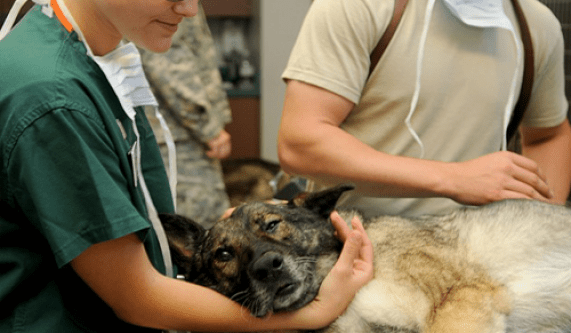
Use this course to prepare yourself to take and pass the Approved Veterinary Assistant (AVA) exam. Our videos and quizzes review topics that include veterinary office practices, infections and safety regulations.
CourseHorse
With more than 85 million households owning at least one pet, the veterinary field is a growing field! Veterinary Assistants are valued team members in veterinary practices, clinics, and hospitals. They work with veterinarians and veterinary technicians to provide quality care for healthy, sick, and injured animals.In this program, students will receive hands-on training on the correct handling and care of pets, learn proper examination procedures, and discover how to check for signs of illness and injury. Additional topics covered include anatomy and physiology, medical terminology and acronyms, nutrition, legal, ethical, and professional standards, and maintenance and management of a veterinary practice.Notes:This class is entry level and specifically NOT a Veterinary Technician class, which requires a two-year degree program.Textbook purchased separately.Class consists of 75 hours of online live instruction, 25 hours of independent online learning and a 40 hour externship.Students will need access to internet, PC, laptop, or tablet, and access to a printer to participate.

FutureLearn
Delve into the role of a veterinary practice manager A veterinary practice manager needs a variety of skills to navigate their many responsibilities. From looking after business affairs to leadership and working with animals, a practice manager needs to be adaptable to be successful. On this one-week course, you’ll unpack the duties of the veterinary practice manager and how this role makes a difference in the lives of animals. Discover the different skills used as a practice manager You’ll explore the different skills that will help you thrive as a veterinary practice manager such as customer service, communication, supplier relationships, and bookkeeping. With this knowledge, you’ll understand how to use these skills for planning, consent, and treatment of the animals in your care. Explore the roles within a veterinary practice You’ll delve into the wider roles within the veterinary practice and the different responsibilities of veterinarians, senior partners, practice managers, and more. This understanding will ensure you know how each role within the veterinary practice operates to gain a comprehensive understanding of the business. Learn how to deal with work conflict Finally, you’ll explore work conflict and how you can best manage conflict resolution should it arise. Guided by the experts at Learning Lounge, you’ll finish the course with an understanding of the different roles within a veterinary practice, and the skills to help you successfully navigate this and manage a veterinary practice. This course is designed for anyone interested in getting started in animal care. You’ll learn the crucial first steps to help you with your initial stages in your career to help you become a qualified vet nurse.

XuetangX
Veterinary Parasitology takes various livestock and poultry parasites as the object, to study the morphology, classification, life history, physiological and biochemical, immunity, ecology, and the causes of diseases, the pathological changes, clinical symptoms, epidemiology, diagnostic methods and preventive measures. Veterinary Parasitology is an important branch of biological science and veterinary science. At the same time, it is a multi-disciplinary interdisciplinary subject and belongs to the key course of veterinary medicine. It is also a required subject for the qualification examination of practicing veterinarians, and it is an indispensable course for everyone to engage in veterinary work in the future. The course includes an overview and parasitic diseases of various animals such as cattle, sheep, pigs, horses, poultry, dogs, cats. It is a subject with rich content and strong practicality.
IBM Training
This introductory course on watsonx Assistant is designed for anyone interested in exploring the latest advancements in Generative AI and how they can enhance customer and employee experiences through the creation of AI assistants.

YouTube
Explore the intersection of Indigenous perspectives and veterinary medicine in this TEDx talk by Mia Ritter, an undergraduate pre-veterinary student. Gain insights into conservation issues from global and Indigenous viewpoints within the United States. Learn about Ritter's activism and research as she calls for action from all communities to support world conservation. Discover her unique experiences as an Indigenous/Native American citizen and her goals to provide veterinary care to underserved rural areas. Understand the importance of integrating diverse perspectives in veterinary education and conservation efforts.

FutureLearn
Explore the day-to-day running of veterinary practices, facilities, and clinics When considering a career in animal care, the many avenues and organisations available can make it difficult to know where to start. This course from Learning Lounge will help inform your future career choices in the animal care sector. You’ll gain an overview of animal facilities, with a specific focus on veterinary care, and examine a variety of roles available within them. Examine the different types of animal facilities From animal rescues to zoos, animal care organisations can be extremely varied, as can the work they entail. You’ll delve into common facility types, exploring the main tasks that you would experience in various roles, helping you identify any areas of interest. Investigate the daily tasks of staff in veterinary clinics Taking a closer look at the responsibilities of those working in veterinary practices, you’ll explore the complete cycle of animal care and surgery including patient care, maintaining equipment, running laboratory tests, cleaning, and stock management. You’ll also examine the sensitive topics of euthanasia, burial and other alternatives, giving you insights into staff roles from admin and reception to veterinary surgeons. Identify the benefits and challenges of various veterinary facilities Within the field of veterinary care, there are also choices to make about what kind of facility you’d be most suited to. You’ll identify the differences between clinics and hospitals, specialist and general care, and independent or corporate practices. This will allow you to weigh up the pros and cons of each facility within the context of your own career goals. You’ll end this course understanding the roles and responsibilities of various staff within animal care facilities, helping you plan your own career path in the veterinary sector. This course is designed for anyone at the initial stages of their career search and considering work within the animal care sector. It will be particularly beneficial to those who want to further their understanding of careers within animal care, specifically focussing on veterinary services.

FutureLearn
Understand the requirements for veterinary referrals and admission During the admission process of veterinary treatment, veterinary referrals are often used to liaise back and forth and decide the best plan of action. On this one-week course, you’ll discover the administration skills needed to conduct a successful admission for veterinary care. You’ll walk through each step of the process, including veterinary referrals, to discover what happens when a patient arrives and how to successfully communicate with the client. With this knowledge, you’ll ensure expectations are met and the best course of treatment is advised. Unpack the telephone triage in veterinary nursing care You’ll delve into the triage system, including the telephone triage, to understand how this could vary for different animals. With this knowledge, you’ll have the skills to use triage to help you determine the next steps for patient care. Learn how to best support the veterinarian Delving further into the body system triage, you’ll learn which observations should be prioritised. You’ll learn how to conduct crucial checks such as cardiovascular, neurological, and breathing checks during an emergency to understand what to look for when determining treatment. Finally, you’ll uncover what happens post-triage to ensure you have the understanding and confidence to best support the veterinarian. Learn from the experts at the Learning Lounge Throughout the course, you’ll be guided by the specialists at the Learning Lounge. With their expertise, you’ll finish the course with the knowledge and administration skills to successfully admit a patient into veterinary care. This course is designed for anyone interested in working with animals. It will provide a starting point to help you secure an entry-level position and is ideal if you want to take the steps towards studying to become a qualified vet nurse.

FutureLearn
Learn how to improve antimicrobial stewardship as a veterinary nurse or surgeon Vets and human health professionals both have a responsibility to address the challenge of antimicrobial stewardship. Veterinary nurses, surgeons and pharmacists need the skills to prescribe antibiotics rationally and responsibly. On this interactive course, you’ll challenge the norms of veterinary prescribing and gain the tools needed to introduce good antimicrobial stewardship practices in your own context. You will explore the challenges of monitoring responsible medicine use and relevant solutions. You will gain the confidence needed to instil change in your own veterinary practice. This course is for veterinary surgeons, nurses and pharmacists with a basic clinical knowledge of antimicrobial prescribing practice. The course has a focus on the UK context but can be applied internationally.

FutureLearn
Working in the veterinary sector requires leadership skills. Veterinary professionals who are good leaders are better equipped to care for colleagues, clients and patients. This program, created with the Royal College of Veterinary Surgeons (RCVS), is designed help veterinary professionals to develop these essential leadership skills. Through the program you will explore key concepts such as the importance of leadership in the veterinary setting and the art of good leadership and decision-making. You will learn how to be confident, effective and inclusive leader.

FutureLearn
Explore the fundamentals of working safely in animal care facilities Veterinary services have a duty of care to provide a safe environment for staff, clients, patients, and visitors. On this course, you’ll be introduced to workplace safety management in veterinary practices. You’ll gain awareness of risks, hazards, and safety standards and ensure you have the correct policies and procedures in place. Identify hazards specific to veterinary environments Delving into universal hygiene precautions and health and safety guidance including fire evacuation and theft response, you’ll then take a closer look at procedures specific to animal care contexts. From preventing animal-related injuries to taking precautions against zoonotic diseases, you’ll become familiar with the correct approaches to animal handling and care. With this knowledge, you’ll have confidence in using the correct equipment and techniques to ensure the safety of both you and your patients. Discover the correct handling and disposal of chemicals Whether using cleaning products or laboratory chemicals, there are a broad array of hazardous substances that must be stored, handled, and disposed of correctly within veterinary facilities. You’ll be guided through the chemical storage and waste management processes and learn how to respond if an accident or spillage occurs. Ensure the health and wellbeing of your staff With almost 10% of young veterinarians suffering from stress, it is vital that the wellbeing of staff is managed as part of your healthy and safety policy. You’ll also examine the correct use of PPE, ensuring your staff remain protected when working. You’ll finish this course understanding veterinary health and safety protocols. You’ll be able to use your knowledge to check, adapt, or update current practices and limit the risk of accident or injury in your workplace. This course is designed for all staff working across veterinary services who want to better understand health and safety protocols. It’s especially suitable for practice managers and leaders who are responsible for safety training and health and safety management in their organisation.

XuetangX
Course IntroductionVeterinary parasitosis is the core course of the major of animal husbandry and veterinary medicine. The content of the course is designed according to "the occurrence and development patterns of veterinary parasitosis, the current situation of veterinary parasitosis in China, the occurrence characteristics of veterinary parasitosis in livestock and poultry, and the prevention and control requirements of veterinary parasitosis in different periods". The focus of the course is designed according to the requirements of the licensed veterinary qualification examination in China in terms of livestock and poultry parasitosis, so as to ensure that the students with the license are qualified for practice through learning. This course enables the students to fully understand and master the patterns of the occurrence and development of veterinary parasitosis and the general measures to prevent and eliminate these epidemic diseases, and to master the prevention and treatment measures for common parasitosis, thus to lay a solid foundation for the prevention, control, and elimination of veterinary parasitosis and ensuring the sustainable development of animal husbandry and the people's health.Gains after Taking the Course:Through the study of prevention and treatment of veterinary parasitosis, the students can fully understand and master the patterns of the occurrence and development of parasitosis and the general measures to prevent and eliminate parasitosis, and to master the prevention and treatment of trematodiasis, taeniasis, nematodiasis, acanthocephaliasis, protozoiasis, and ectoparasite diseases. Through the study of this course, the students can prevent and control livestock and poultry parasitosis, to correctly diagnose, properly prevent and treat veterinary parasitosis, and to deal with major veterinary parasitosis (such as cysticercosis cellulosae, chicken coccidiosis, swine trichinellosis, etc.).Specific gains are:1. Knowledge objectives(1) Master the patterns of occurrence and development of parasitosis and the general measures to prevent and eliminate parasitosis;(2) Master the pathogen, epidemiology, symptoms, pathological changes, diagnosis, prevention and treatment of various zoonotic epidemic diseases;(3) Master the pathogen, epidemiology, symptoms, pathological changes, diagnosis, prevention and treatment of common veterinary parasitosis;2. Skill objectives(1) Be able to design parasitosis prevention and control measures for farms;(2) Be able to correctly identify the parasitosis of concern during the inspection for slaughter and market quarantine;(3) Be able to independently diagnose and treat common parasitosis;(4) Be able to make a correct judgment and take proper prevention and control measures to eliminate the parasitosis in case of an outbreak in a farm.3. Quality objectives(1) Develop the learning habits of thinking wisely and finding problems timely;(3) Develop teamwork and cooperation ability, so as to have certain post awareness and post adaptability;(4) Develop self-learning ability;(5) Develop the quality of advocating science and respecting life;(6) Develop the moral character of being brave to challenge, not afraid of difficulties, and never yielding;(7) Establish a career plan to serve for the agriculture, rural areas, and farmers with the aim of rural revitalization;(8) Develop the ecological awareness of environment protection(9) Understand the culture of all ethnic groups and related parasitic diseases, enhance ethnic unity, and develop the awareness of Chinese national community.4. Career objectivesAfter taking this course, the adaptability to modern livestock and poultry industry, animal quarantine and animal epidemic prevention posts will be improved, and the students will be able to quickly adapt to their work and master the core skills of the posts.For the students, the pass rate for the examinations of occupational qualification certificates such as the licensed veterinary qualification, occupational skill grade certificates for livestock and poultry breeding in 1+X family farms, animal epidemic disease prevention and treatment personnel, and animal inspection and quarantine personnel, will be increased significantly. Target Population:This course can be adopted as a professional core course for animal husbandry majors (groups) in higher vocational education, as well as a general education course for nonprofessional learners and an improvement course for practitioners engaged in animal-related works.
Swayam
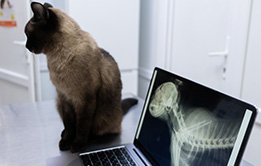
ABOUT THE COURSE:Veterinary diagnostic imaging plays a vital role in the diagnosis and treatment of various diseases and conditions in animals. Diagnostic imaging allows veterinarians to non-invasively visualize internal structures, making it an essential tool for veterinary medicine.Veterinary diagnostic imaging refers to the use of various imaging modalities to produce visual representations of an animal's internal structures. These modalities include:1. Radiography (X-ray): Uses ionizing radiation to produce images of bones, lungs, and other internal structures.2. Ultrasonography (Ultrasound): Employs high-frequency sound waves to produce images of internal organs and tissues.3. Computed Tomography (CT): Uses X-rays and computer technology to produce detailed cross-sectional images of internal structures.4. Magnetic Resonance Imaging (MRI): Utilizes magnetic fields and radio waves to produce detailed images of internal structures, particularly soft tissues.5. Nuclear Medicine: Involves the use of small amounts of radioactive materials to visualize internal structures and functions.In this introduction to basics in veterinary diagnostic imaging, we will explore the fundamental principles of various imaging modalities, their applications, and the importance of diagnostic imaging in veterinary medicine.INTENDED AUDIENCE: The course is intended to enlighten the veterinarians and veterinary students on the aspect of basics of veterinary diagnostic imaging.PREREQUISITES: Bachelor’s degree in Veterinary Sciences and Animal Husbandry and students of BVSc and AHINDUSTRY SUPPORT: Universities, private veterinary clinics and hospitals

YouTube
Explore how to build a truly personal AI assistant that knows you as an individual in this 19-minute conference talk from the AI Engineer World's Fair. Discover why current large language models like GPT-4, despite their massive training datasets, cannot provide personalized assistance without significant user input. Learn about an innovative approach that creates a personal, private, and proactive AI assistant by downloading your transaction logs from major consumer platforms like Google, Facebook, Amazon, DoorDash, Strava, and Uber directly to your local device. Understand how implementing a RAG (Retrieval-Augmented Generation) system using this personal data enables immediate utility without requiring extensive user configuration. Gain insights into how a modest amount of powerful personal data can unlock the true potential of personalized AI assistance, moving beyond generic responses to truly individualized support.

YouTube
Explore feline veterinary health and wellbeing in this 37-minute video featuring an interview with Dr. Ron Cammarata, a veterinarian from Cabrillo Pet Hospital in San Diego. Gain valuable insights into common ailments of newly adopted kittens and learn about essential veterinary care for a healthy start. Discover topics such as vaccines, respiratory issues, eye problems, triaging, gastrointestinal concerns, congenital issues, kitten diets, spaying and neutering, recovery, post-surgical recommendations, and tips for new adopters. Understand why every veterinary practice is different and how to make vet visits more comfortable for cats. Learn about the importance of tooth brushing and the malleable nature of kittens. Take the Cat 2 Vet Pledge and join the initiative to promote regular veterinary check-ups for feline companions.

Coursera
Nursing Assistant Essentials is a beginner-level course designed to build the fundamental knowledge and skills to provide compassionate and effective patient care. Through these three lessons, students will learn how to support patients across various healthcare settings. In Lesson 1: The Workplace: Health Care Settings, students explore the diverse environments where nursing assistants work, including hospitals, nursing homes, and home care settings. Lesson 2: The Nursing Assistant Role delves into the specific duties of a nursing assistant, including patient interaction, assisting with daily activities and providing essential support to nursing teams. Students learn to communicate effectively with patients and other healthcare professionals, fostering a positive and supportive care environment. In Lesson 3: Daily Hygiene: Grooming, Bathing, Toileting, Oral Care, and Dressing, students gain hands-on knowledge of assisting patients with personal hygiene tasks. They learn the proper techniques for ensuring patient comfort, dignity, and safety while performing essential daily care routines. This course is unique in its practical, patient-centered approach, blending theoretical understanding with essential hands-on skills to prepare students for real-world healthcare roles.

Swayam
यहकोर्सछात्रकोकौशल औरशिक्षाप्रधान करेगाताकि छात्र स्वयं नियोक्ता प्राप्तकर सकें।पाठ्यक्रम को पूरा करने के पश्चात,बिस्तरपर पड़ें रोगियों को घर पर ही उपचार उपलब्ध कराकर स्व: रोजगार प्राप्त कर पाएगा।•पंचकर्मा चिकित्‍सालय•आयुर्वेदिक हस्‍पताल•आयुर्वेदिक आहार केन्‍द्र•आयुर्वेदिक हर्बल नर्सरी•आयुर्वेदिक हर्बल नर्सरी•जीवन शैली केन्‍द्र स्‍वास्‍थ्‍य केन्‍द्र•स्‍वास्‍थ्‍य स्‍पा तथा रिसोर्ट•आयुर्वेदिक कॉस्‍मेंटिक क्‍लीनिक•आदि में सहायक के रूप में कार्य कर सकते है।

Pluralsight
AI assistants and chatbots have been a topic of great interest for many years. However, good AI assistants have also been really hard to implement and deploy… until now. The AI Assistants API from OpenAI allows creating powerful AI assistants that are capable of performing a variety of tasks that are really hard to code using traditional coding mechanisms. In this course, OpenAI Assistants API, you’ll learn how to develop powerful assistants that can be deployed in your applications that can interact using natural language. First, you’ll learn how to create and retrieve assistants. Next, you’ll learn how to create threads, run, and retrieve responses. Next, you’ll learn how to call functions that can be used by your assistant. Finally, you will learn how to upload content that your assistant can use for its responses. When you’re finished with this course, you’ll have the skills and knowledge of the OpenAI Assistants API needed to create a powerful AI assistant that receives prompts in natural languages and provides excellent responses using natural language.

Coursera
The Nursing Assistant Fundamentals specialization prepares students for a successful Nursing Assistant career in diverse healthcare settings, emphasizing patient care assistance, health care setting navigation, effective communication in healthcare, hygiene and safety protocols, and patient mobility and comfort. IMPORTANT: This specialization is not designed to prepare students for national certification. Enrollees will gain the foundational/fundamental knowledge on subject matter relevant to the profession. However, to gain industry certification, a more comprehensive program must be completed through enrollment via approved/eligible schools such as MedCerts.
YouTube
Learn to build a Python-based voice assistant that integrates with Google Calendar API, enabling features like schedule retrieval, note-taking, and more. Explore topics such as sound playback using gTTS, microphone input processing, Google Calendar API setup, speech-to-date conversion, event retrieval and vocalization, program launching, and assistant activation in this comprehensive tutorial series spanning 1 hour and 30 minutes.