

Courses
Discover thousands of courses from top institutions and platforms worldwide
Level
Course Type
Duration

Swayam
ABOUT THE COURSE: The course provides an insight into modern recycling routes for recovering valuable metals and materials from metallurgical and electronic wastes. The fundamentals of recycling are blended with the processes to provide emphasis on the application of the processes. With a wide variety of raw materials and dedicated recycling routes, concepts of material extraction and recovery will be discussed. Importance of material pretreatment and environmental benefits of materials recycling have also been described. INTENDED AUDIENCE: Students of Metallurgical and Materials Engineering interested in Materials Recycling and its application in modern extractive metallurgyPREREQUISITES: Introductory course on Principles of Extractive MetallurgyINDUSTRY SUPPORT: Metallurgical industries:HindalcoNalcoVedantaHindustan Copper LimitedTata SteelJindal Steel and many others

Udemy
An absolute must for sustainability in the 21st century! Make a REAL difference with your personal and business choices What you'll learn: Understand which plastics get recycledLearn the plastic numbering codes, and know which are most likely to get recycledSee research about global plastic waste and its ecological impactMake smarter everyday consumption choices that are good for the environmentUse less plastic as a businessLearn about biodegradable plastic alternatives The plastic waste crisis has emerged as a central environmental challenge. It not only affects the health of our planet but also has significant implications for wildlife and human health. This course is designed to address this pressing issue head-on, offering comprehensive insights into the lifecycle of plastics, the latest ecological studies, and groundbreaking strategies for managing plastic waste effectively.Who Should Enroll: This course is ideal for everyone, but especially business owners, sustainability officers, policymakers, students, and anyone eager to deepen their understanding of plastic pollution and learn actionable strategies to combat it.Course Overview: Understanding Plastic Codes: Unlock the mystery behind the numbers on plastic products. Learn about the seven types of plastic codes, their uses, recyclability, and impact on the environment. This foundational knowledge is critical for both consumers and businesses in making informed decisions about plastic use. Latest Ecological Studies on Plastic Waste: Dive into cutting-edge research that illuminates the current state of plastic pollution, its effects on ecosystems, marine life, and human health. Understand the pathways through which plastics enter our environment and the long-term implications of plastic waste accumulation. Alternatives to Plastic: Explore a world beyond plastic. This module introduces sustainable and eco-friendly alternatives for everyday plastic items. Learn how to make conscious consumer choices that align with environmental conservation efforts, from biodegradable materials to innovative, sustainable products. Recycling Done Right: Demystify the recycling process with a deep dive into effective sorting, the challenges of recycling different types of plastics, and the latest advancements in recycling technologies. Gain practical skills in reducing contamination in recycling streams, ensuring your efforts contribute positively to the recycling ecosystem. Reducing Plastic Waste in Businesses: Tailored for business owners and sustainability officers, this section provides a roadmap to redesigning product lines and supply chains for minimal environmental impact. Learn about sustainable packaging options, waste management strategies, and how to engage suppliers and customers in your sustainability journey. Reporting and Regulation Compliance: Understand the critical role of transparent reporting in environmental sustainability. This module covers the essentials of environmental reporting, regulatory compliance, and how businesses can leverage their sustainability efforts to enhance brand reputation and customer trust. Real-world Case Studies: Be inspired by success stories from businesses and communities around the globe that have effectively reduced their plastic footprint. Analyze these case studies to extract practical lessons and strategies that can be adapted to your context. Empower Yourself to Make a Difference: Embark on a transformative journey to not only enhance your understanding of the plastic waste crisis but also acquire the tools and knowledge necessary to be part of the solution. Whether you're aiming to make impactful changes in your personal life, within your community, or at the organizational level, this course will equip you with the insights and strategies to significantly reduce plastic waste and promote environmental sustainability. Join us in our mission to protect our planet for future generations. Enroll today, and begin making a difference!

FutureLearn
See how recycling mobile devices is important to overall environmental design Phones are an example of electronic devices with a short lifespan that contain many critical elements necessary for the production and storage of renewable energy and maintaining our standard of living. These resources are scarce and need to be recovered through recycling, which can be costly in terms of energy and emissions. This four-week course from EIT RawMaterials introduces every element of WEEE recycling, from recycling lithium batteries to recovering plastics and trace metals. Current and emerging technologies will be examined to ensure a circular economy and good environmental design, now and well into the future. Learn the basic principles of mobile phone recycling During the first part of this course, you’ll cover the engineering aspects involved in mobile phone recycling. This includes identifying the mix and composition of materials. You’ll also learn about the various recycling methods that are possible (dismantling, sorting, and element separation) and their associated risks and safety issues. Understand the managerial aspects of recycling and eco-design On the second part of this course, you’ll focus on mobile phone recycling strategies, learning how to use them to ensure intelligent environmental design. You’ll see how incorporating eco-design principles leads to a sustainable circular economy, achieving the ultimate goal of less waste from electrical and electronic equipment (WEEE). Be a part of sustainable environmental design Ultimately, this course will show you how to deploy current and emerging technologies to deal with mobile phone WEEE in the most energy-efficient, emission-minimising ways possible. After successfully completing this course, you’ll be equipped with the engineering and managerial knowledge to be part of the WEEE recycling solution. This course is designed for anyone working in laboratories and industries that will include mobile phone recycling in their research and industrial programmes. Students, chemical sector professionals, technicians, and engineers will all find it helpful.

FutureLearn
As corporate environmental, social, and governance (ESG) efforts boom, sustainability jobs are on the rise. Step into this fast-growing field with practical green skills that reaffirm your expertise. On this online microcredential from Deakin University, you’ll learn the ins and outs of recycling and waste management through a circular economy lens, exploring key concepts, engaging with industry experts, and developing actionable strategies that drive sustainable innovation. Gain insight into critical waste issues and stakeholder engagement Begin this microcredential by exploring bigger-picture concepts related to waste and recycling. As you examine these areas, you’ll delve into specific waste issues and understand the human dimension, policies, and regulations at play. Also a focus, you’ll learn how to engage and communicate with key stakeholders effectively, fostering collaboration to drive impactful change in waste management practices. Champion environmental management with sustainable solutions You’ll then delve into developing effective recycling and waste management solutions that reduce environmental impact, considering systems, structures, resource availability, and green technologies. You’ll complete this microcredential feeling empowered to identify solutions and implement strategies that benefit your organisation, community, and career. You’ll also examine examples of robust action plans, enabling you to create and implement data-driven waste management strategies that contribute to sustainable development initiatives. Apply strategic planning insights to waste management planning You’ll wrap up your learning by focusing on the implementation and monitoring of waste management strategies. To help you succeed, you’ll develop a comprehensive evaluation plan that ensures ongoing stakeholder engagement and effective reporting on your recycling and waste initiatives. In learning this, you’ll be well-equipped to drive sustainable practices that align with organisational goals. Study flexibly online with the experts at Deakin University Guided by the experts at Deakin University, you’ll develop an advanced understanding of developing and implementing sustainable recycling and waste programmes, enabling you to tackle real-world challenges and drive impactful change. The flexible format of this microcredential offers the ultimate online learning experience, allowing you to balance your studies with your professional commitments while gaining valuable insights from industry leaders. How will this microcredential help your career? Climate change is driving a significant shift towards sustainability, and, because of it, the demand for green-focused jobs is becoming much more widespread. This online microcredential sets you up to excel in this evolving job market by equipping you with essential skills in recycling and waste management. You’ll learn to identify waste streams and engage with stakeholders while developing innovative solutions and achievable action plans. With these insights and strategies, you’ll enhance your career prospects and become a valuable asset in the evolving sustainability sector. How will you be assessed? You’ll create a comprehensive recycling and waste management plan tailored to an area of interest. You’ll be required to provide contextual input by identifying relevant stakeholders and factors affecting existing waste management practices, analysing various data sources to determine potential opportunities for improvement, and justifying your strategic decisions. Will I receive university credits? Upon successful completion of the written assessment, you’ll be awarded 0.5 Postgraduate Level Credits from Deakin University, and a Credly digital badge. You can build up your credits by completing more microcredentials offered by Deakin University.

YouTube
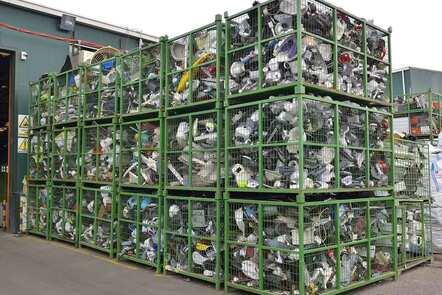
Learn how to transform unwanted 3D prints and household plastics into eco-friendly 3D printer filament in this 39-minute video tutorial. Explore the process of recycling plastic, including shredding, extruding, and pelletizing techniques. Discover the challenges and solutions for working with different types of plastics, such as PLA and PET. Gain insights into the economics of recycling and the potential for creating sustainable 3D printing materials. Follow along as the instructor demonstrates each step, from grinding up old parts to producing a constant diameter fiber suitable for 3D printing or other thermoplastic applications.
FutureLearn
Tackle e-waste through inclusive and sustainable recycling solutions Electronic waste (e-waste) is one of the fastest-growing waste streams globally—and one of the most complex to manage. On this four-week course from EIT RawMaterials, you’ll explore how inclusive, environmentally sound recycling practices can protect health, reduce harm, and generate economic opportunity. Understand the environmental and social impact of e-waste Begin your learning journey by exploring the global scale of the e-waste crisis. Examine the environmental and health consequences of unsafe recycling practices, such as open burning and illegal dumping, particularly in low-income regions. You’ll learn how thinking of e-waste as a resource rather than a hazard can help support communities and ecosystems. Explore sustainable solutions and inclusive models Unpack international frameworks like the Basel Convention and ISO 59014:2024 that guide environmentally sound management (ESM) of e-waste. Learn how strategies like eco-design, extended producer responsibility, and informal sector integration contribute to circular economy models. Through case studies, you’ll discover how well-managed collection systems and recycling technologies can drive sustainable outcomes. Apply your learning to real-world challenges Explore how e-waste policy, business innovation, and community engagement intersect with the use of interactive tools and scenario-based exercises. Whether you work in policy, healthcare, education, or business, you’ll leave this course with practical steps to improve e-waste management in your context—and help drive change for people and the planet. This course is for university students, policymakers, business managers, e-waste operators, and anyone interested in sustainable solutions for e-waste. It’s ideal for professionals in environmental policy, public health, and the circular economy.

YouTube
Explore the critical issue of waste management in urban areas through this TEDx talk by Dr. Ruby Makhija. Discover the urgent need for efficient waste segregation and disposal practices as essential components of urban planning. Learn about Dr. Makhija's successful community projects focused on behavior change, waste management, wet waste composting, social responsibility, and water conservation. Gain insights into her initiatives, including free biodegradable sanitary napkin supply for underprivileged women, senior citizen welfare programs, and value-based programs for community children. Understand the importance of Project Vikalp, aimed at encouraging the use of cloth bags to reduce plastic waste. Reflect on the role of policymakers and the public in addressing this pressing urban challenge and the potential for positive change through community-driven initiatives.

YouTube
Discover how to transform waste into wealth and contribute to saving the planet in this inspiring TEDx talk by AdeJumoke Olowookere. As an EcoPreneur with extensive experience in the education sector, Olowookere shares her passion for enlightening and engaging both children and adults in best practices for waste management, recycling, and upcycling. Learn about her innovative approach to creating trainings and resources that promote sustainable practices. Gain insights into Olowookere's work as a Creative Director on various projects, workshops, and skill acquisition programmes for institutions and organizations. Explore the concept of the Circular Economy of Zero Wastes through her groundbreaking initiative, The Waste Museum, which is the first of its kind in Africa. This thought-provoking presentation challenges viewers to rethink their approach to waste and offers practical solutions for a more sustainable future.
YouTube
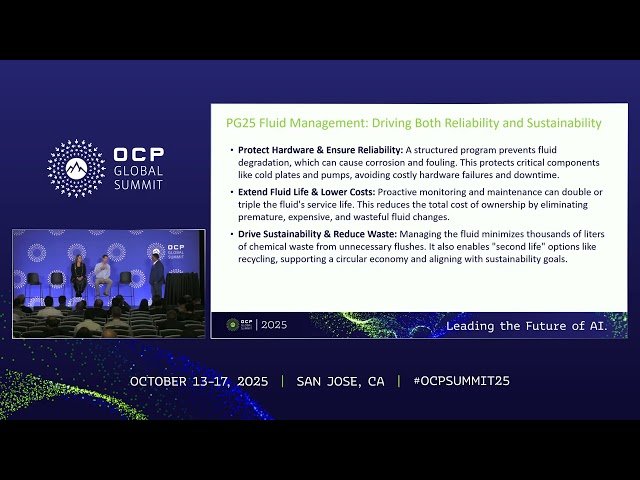
Learn about the critical environmental challenges facing the data center industry through this 20-minute conference talk that exposes the often-overlooked problem of hardware decommissioning. Discover how the rapid growth of data centers creates massive environmental issues when old equipment reaches end-of-life, generating significant carbon footprints through improper disposal processes. Examine the current lack of standardized decommissioning rules and how this regulatory gap leads to environmental harm, worker safety risks, packaging waste, and recycling difficulties. Explore a comprehensive sustainable ORV3 decommissioning framework that addresses every aspect from safe equipment removal to responsible recycling, drawing on best practices already implemented separately by major data center operators like AWS, Meta, and Microsoft. Understand how combining these proven approaches could establish new industry standards for environmentally responsible data center decommissioning and significantly reduce the sector's environmental impact.

Swayam
This course has emphasises on Integrated Solid Waste Management aspects within the broad subject area of Integrated Waste Management for a Smart City. The issues of Municipal Solid Waste (MSW) management, Construction and Demolition (C&D) Waste and Electronic Waste Management will be covered in this course. The topics will include: generation rates and waste composition; Integrated waste management issues, collection, recovery, reuse, recycling, energy-from-waste, and landfilling; Biological treatment of the organic waste fraction - direct land application, composting, and anaerobic digestion. The environmental impact of waste management and its relationship on the big picture sustainable development and smart city development will be discussed. A major focus of this course will be the role of MSW management within the various initiatives of the Govt. of India including: Swachh Bharat Mission, Smart Cities as well as Make in India. The challenges of waste management for smart cities will also be discussed taking case studies from the first list of 20 smart cities identified in the first phase for this program. This will be followed by overview of the Construction and Demolition (C&D) Waste and Electronic Waste (E-Waste) management issues in India in general and for the smart cities in particular. The new rules with respect of C&D Waste and E-Waste Management will be covered. The challenges of managing these waste streams effectively will be discussed.INTENDED AUDIENCEThe course will be beneficial for B.Tech/M.Tech/B.Sc/M.Sc/Research Scholars/Faculty members from different institutions. In addition, we will strongly encourage engineers/professionals working in any area related to waste management should consider taking advantage from this unique application orientated course. Regulators (SPCB, CPCB and MOEF professionals) and policy makers will also benefit from this course.PRE-REQUISITES Environmental Sciences, Introduction to Environmental EngineeringINDUSTRY SUPPORT Larsen and Tourbo, Tata Group of Industries, Ramky Group of Industries, IF&LS Environment
YouTube
Explore municipal water reclamation systems in this 17-minute educational video that examines how cities transform sewage into reusable water resources. Learn about the comprehensive treatment processes that nearly all major cities employ before releasing wastewater to the environment, and discover how many municipalities are now recognizing the valuable potential of treated effluent for beneficial reuse applications. Understand the engineering principles behind sewage treatment infrastructure, the various stages of water purification, and the innovative approaches communities are adopting to maximize their water resources through recycling programs. Gain insights into the technical challenges and solutions involved in converting wastewater into clean, usable water for different municipal and industrial applications.

YouTube
Experience a soothing ASMR video demonstrating the process of recycling clay. Follow along as the artist gathers reclaim, removes excess water, places clay on plaster batts, prepares for wedging, performs the wedging technique, cleans up, and stores the prepared clay. Learn about the plaster batt recipe and gain insights into the clay recycling process through detailed timecodes and visual demonstrations.

YouTube
Explore the life cycle of waste and challenge conventional notions about recycling in this eye-opening TEDx talk by waste industry expert Michael Cyr. Gain insights into the complex journey of recyclables and understand why recycling alone is not a sustainable solution to our single-use plastic addiction. Learn about the importance of reducing, reusing, and rethinking our consumption habits as Cyr shares his expertise from the front lines of the zero waste movement in New York City. Discover why it's crucial to shift our focus beyond recycling and consider more effective approaches to addressing our waste problem.

YouTube
Embark on a 20-minute journey through Hong Kong's recycling landscape with Harold Yip, co-founder of MilMill and a pioneer in the waste management industry. Discover how this visionary entrepreneur has been transforming the city's approach to waste and recycling since 2009. Learn about the introduction of IoT technology to the sector and the establishment of Hong Kong's first pulp mill for beverage carton recycling. Gain insights from Yip's extensive experience in multinational companies and his academic background in business administration. Explore the challenges and innovations in Hong Kong's waste management system, and be inspired by the story of a Distinguished Marketer Award recipient who's dedicated to revolutionizing recycling practices in one of the world's most densely populated cities.

Udemy
Meet the ONLY waste type contributing to climate change, reduce it in five ways; and keep resources in the system. What you'll learn: Contrast the linear (take->make->waste) approach and the circular (borrow->use->return) approach to resource useDiscover 3 hard-to-reduce waste types and what you can do to reduce themLearn what’s the ONLY waste type contributing to climate change and why it is a problemContrast 5 things you can do to reduce this waste type and avoid methane emissionsExplore modern and ancient examples of the circular economyGet strategies for success – drive sustainable change at your organization (get people on board) This course addresses our modern dilemma: resources or waste?91% of all primary resources used globally are wasted. True, the circular economy – as demonstrated on examples in the course – offers hope...But there is too much focus on recycling and single-use plastics – both important, but not the most important variables in the waste-reduction equation.Learn the priorities of waste management, not “nice-to-haves”.Reduce waste that matters, especially waste that contributes to climate change!Follow the reduce – reuse – recycle hierarchy, in that order.See how you can implement models, e.g. Triple Bottom Line and the SDGs, in your organization or home in a way that saves money, creates local jobs and reduces greenhouse gas emissions.Get a resource that’ll help you get others on board with your sustainable waste management practices. Get other resources that’ll help you reduce waste-organics and generate your own free and organic liquid fertilizer, whether you are in a house, apartment, or an office.Whether you are an individual who wants to reduce your own waste at home or with your family, or if you’re are responsible for waste management at work – either directly, e.g. cleaners, facilities managers, small business owners, or indirectly, as a teacher, operations manager, cook or nurse … whether you want to reduce pollution, costs, material and resource use, or improve efficiency, become sustainable, and improve your environmental footprint through better waste mgmt - this course is for you.

Udemy
Basic principles, process description and practical demonstration. What you'll learn: How to identify the common types of plasticsThe global plastic challenge and impactThe recycling process and mechanismsPractical demonstration of a bench scale recycling processAdvantages and challenges of large scale and small scale recycling Plastics have become a very important part of modern living. They are used today in almost every part of life. At the same time they currently pose a challenge to the environment and resources.Plastic recycling is one of the approaches towards addressing these challenges.To this end, this course covers the topic of plastic recycling with the aim of equipping participants with a fundamental knowledge of how this is done. The course begins with an overview of the global plastic challenge and then goes on to explaining the the processes involved and the mechanisms behind some of these processes. Finally a simple bench scale recycling process is included for the purpose of demonstration.

YouTube
Learn about the complex relationship between recycling concrete aggregates and environmental impact in this 34-minute lecture from the 'Advanced Topics in Science and Technology of Concrete' course. Explore how recycling's primary benefit lies in displacing primary production rather than waste reduction, with detailed CO2 emission comparisons between landfilling, recycling, and pristine aggregate production. Examine the concept of displacement rate and how market dynamics, including pricing competition and behavioral economics, can potentially offset environmental benefits through the rebound effect. Discover why recycling alone isn't a complete solution for environmental problems and understand the importance of focusing on primary production displacement, recognizing recycling limitations, mindful consumption, and waste reduction priorities. Master key concepts in sustainable construction practices while earning certification credits recognized by UGC and AICTE for Indian Universities.

UN CC:e-Learn
The course aims to raise awareness and build capacities for effective food waste prevention at different stages of the food chain, including processing and manufacturing, retail, restaurants and other food services, as well as households.

Coursera
This course will explore the definition, classification, and characteristics of hazardous waste, including chemical, biological, and radioactive substances. We will delve into the mechanisms of transport in the environment, the various treatment methods employed to mitigate their impact, and the legal framework governing hazardous waste management. Additionally, we will examine specific types of hazardous waste, such as construction and demolition waste, electronic waste, plastic waste, biomedical waste, and household hazardous waste. By understanding the challenges and opportunities in hazardous waste management, you will be equipped to contribute to sustainable and environmentally responsible practices. Target Learners: §Undergraduate students of Civil Engineering §Post-Graduate Students of Environmental Engineering §Practicing Engineers §Faculties of Civil Engineering Domain

YouTube
Learn about the complexities and realities of recycling in this comprehensive presentation delivered by Scott Jable of USM, INC. to the Chicago American Meteorological Society (AMS) at the College of DuPage. Gain valuable insights into recycling processes, common misconceptions, and important considerations that many people are hesitant to ask about. During this 82-minute talk, explore various aspects of waste management, sustainability practices, and the impact of recycling on our environment.