

Courses
Discover thousands of courses from top institutions and platforms worldwide
Level
Course Type
Duration

Coursera
“Wind Turbine Sensors” starts with a discussion on how wind turbines generate energy and the major parts of a wind turbine. It then moves to a deep dive on the mechanical components (turbine blades, hub assembly, gearbox. yaw drive, brakes) and the sensors that monitor these components. Then we discuss the generator and transformer and sensors for these electrical components. Finally, we discuss the sensors that measure the wind speed and sensors that optimize electrical power. Wind Turbine Sensors can also be taken for academic credit as ECEA 5350, part of CU Boulder’s Master of Science in Electrical Engineering.

Udemy
Learn the Fundamentals of Wind Energy Systems With Step By Step Examples Without Any Previous Knowledge What you'll learn: Types of wind turbinesRotor solidity and selection of number of rotor bladesPower extracted by the turbine from the windBetz limit and maximum rotor efficiencyFactors affecting wind speed and densityApplied force on the wind turbine, torque coefficient, and the importance of the TSRWind turbine generator characteristicsEffect of rotor diameter and generator size on powerWind turbines spacingWind farm feasibility studyWeibull and Rayleigh probability density functionsDetermination of Weibull parametersDetermination of Weibull parameters using the graphical methodAerodynamics of wind turbinesPitch-controlled wind turbinesPassive stall controlled wind turbinesActive stall controlled wind turbinesMaximum power point tracking in wind turbinesTip speed ratio (TSR) controlOptimal torque control (OT) MPPT algorithmPower signal feedback (PSF) controlPerturbation and observation (P&O) or hill-climb searching (HCS)Electricity generation using wind turbinesPermanent magnet synchronous generator (PMSG)Wound rotor synchronous generator (WRSG)Doubly-fed induction generator (DFIG)Brushless permanent magnet DC generator (PMDC)Squirrel-cage induction generatorWound rotor induction generatorTubular steel wind turbine towerLattice wind turbine towerConcrete wind turbine towerHybrid wind turbine towerBrakes in the wind turbineRotor brakes in the wind turbinePitch drive or aerodynamic brakes in the wind turbineSimulation of a wind turbine system using the ETAP programMATLAB simulation of the wind turbineCp plotting and lookup table in MATLABMPPT in MATLAB Simulink "Ultimate Wind Energy Course for Electrical Engineering" The only course out there with everything you need to know about Wind Energy from A to Z Throughout the course, you will learn: Types of wind turbines.Rotor solidity and selection of the number of rotor blades.Gearbox in wind turbines.The power extracted by the turbine from the wind.Betz limit and maximum rotor efficiency.Factors affecting wind speed and density.Applied force on the wind turbine, torque coefficient, and the importance of the TSR.Wind turbine generator characteristics.Effect of the rotor diameter and generator size on power.Wind turbines spacing.Wind farm feasibility study.Weibull and Rayleigh probability density functions.Determination of Weibull parameters.Determination of Weibull parameters using the graphical method.Aerodynamics of wind turbines.Pitch-controlled wind turbines.Passive stall-controlled wind turbines.Active stall-controlled wind turbines.Maximum power point tracking in wind turbines.Tip speed ratio (TSR) control.Optimal torque control (OT) MPPT algorithm.Power signal feedback (PSF) control.Perturbation and observation (P&O) or hill-climb searching (HCS).Electricity generation using wind turbines.Permanent magnet synchronous generator (PMSG).Wound rotor synchronous generator (WRSG).Doubly-fed induction generator (DFIG).Brushless permanent magnet DC generator (PMDC).Squirrel-cage induction generator.Wound rotor induction generator.Tubular steel wind turbine tower.Lattice wind turbine tower.Concrete wind turbine tower.Hybrid wind turbine tower.Brakes in the wind turbine.Rotor brakes in the wind turbine.Pitch drive or aerodynamic brakes in the wind turbine.Simulation of a wind turbine system using the ETAP program.MATLAB simulation of the wind turbine.Cp plotting and lookup table in MATLAB.MPPT in MATLAB Simulink. After Taking This Course, You Will Be Able To Understand everything about wind energy systems, such as the basic components, factors affecting wind generation, the different probability distribution functions used to represent wind data, and wind feasibility study.Understand different control systems used in the wind turbine and the types of electrical generators utilized.You will be able to simulate the wind turbine system in both ETAP and MATLAB programs. Bonus Gift: You will also get the slides for the Wind Energy Course for those who are interested in them or have them as a revision for themselves 231 Pages of Wind Energy Course Slides. Take this course if you've been looking for ONE COURSE with in-depth insight into Wind Energy.

Udemy
Your complete guide about Renewable Wind & Solar energy: Wind power basics, Turbine design, Solar PV, PV panels design What you'll learn: Understand how wind turbine worksHistory of wind energy industryPros and cons of wind energywhere does the wind come from ?Types of wind turbinesUnderstand sizes and application of wind turbinesUnderstand the difference between wind power and turbine powerUnderstand Betz modelGet the definition of tip speed ratioStudy the effect of the tower height on the turbine powerUnderstand the different components of wind turbineAerodynamics of wind turbine bladesUnderstand pitch mechanism and yaw mechanismDifferent braking mechanisms in wind turbinesLearn the function and design of gearboxLearn the wind turbine power characteristicsUnderstand the meaning of power regulationStall Control Vs. Pitch controlfurling regulationLearn how to achieve MPPT control in wind turbinesLearn different types of wind farmsTypical layout of a wind farmLearn guidelines of wind farm sitingLearn every thing about wind resource assessmentUnderstand how to get wind speed duration curves for a given siteLearn Weibull statistics of wind data analysiscalculation of energy and capacity factor for wind turbinesUnderstand different types of generators used in wind energy industrylearn different configurations of WECSLearn how to handle variable speed of wind turbinesUnderstand wind energy supply chainDifferent careers and occupations in wind energy industryMATLAB Simulations of wind energyGlobal contribution of renewable energy sourcesWorking principle of solar energyPhotovoltaic PrincipleCell vs. Module vs. Panel vs. ArrayGrid connected PV systemOff -Grid PV systemHybrid PV systemEquipment of PV systemTypes of PV modulesConstruction of PV modulePV module characteristicsEffect of irradiance and temperature on PV module performanceMounting systems of PV modulesWirings & Cablings in PV systemsDifferent functions of Grid tied inverter GTI in PV systemsMPPT ControlString vs. Centralized inverterMeters & Met Station in PV power plantGrid connection interface in PV power plantEfficiency assessment of PV systemPerformance Ratio of PV power plantCapacity Utilization Factor (CUF) of PV systemMATLAB Simulations of Solar energyWorking principle of solar thermal powerEquipment of concentrated solar power (CSP) systemsParabolic trough solar thermal systemsLinear Frensal solar thermal systemsPower tower solar thermal systemsParabolic dish/engine solar thermal systemsTypes of central receivers used in tower CSP plantsSolar thermal heat energy storage systems Welcome To our Course "Ultimate WIND & SOLAR Energy. Beginner to Advanced Levels" This course is designed for anyone who would like to learn about wind and Solar energy from A to Z for electrical engineers, technicians, and all who are interested in working in the wind and solar energy industry.Throughout the course we will cover Tons of topics and details:Wind Power TopicsWorking principle of wind turbineHistory of wind energy industryPros and cons of wind energywhere does the wind come from ?Types of wind turbinesSizes and application of wind turbinesthe difference between wind power and turbine powerBetz model for maximum wind turbine efficiencythe definition of tip speed ratiothe effect of the tower height on the turbine powerdifferent components of wind turbineAerodynamics of wind turbine bladespitch mechanism and yaw mechanismDifferent braking mechanisms in wind turbinesthe function and design of gearboxthe wind turbine power characteristicsthe meaning of power regulationStall Control Vs. Pitch controlfurling regulationhow to achieve MPPT control in wind turbines?different types of wind farmsTypical layout of a wind farmguidelines of wind farm sitingwind resource assessmenthow to get wind speed duration curves for a given siteWeibull statistics of wind data analysiscalculation of energy and capacity factor for wind turbinesdifferent types of generators used in wind energy industrydifferent configurations of WECSDoubly Fed Induction Generator (DFIG) in wind energy industryhow to handle variable speed of wind turbineswind energy supply chainDifferent careers and occupations in wind energy industryPractical projects on wind energy on MATLAB/SimulinkSolar PV Energy TopicsGlobal contribution of renewable energy sourcesWorking principle of solar energyPhotovoltaic PrinciplePV Cell vs. PV Module vs. PV Panel vs. PV ArrayGrid connected PV systemOff -Grid PV systemHybrid PV systemEquipment of PV systemTypes of PV modulesConstruction of PV modulePV module characteristicsEffect of irradiance and temperature on PV module performanceMounting systems of PV modulesWirings & Cablings in PV systemsDifferent functions of Grid tied inverter GTI in PV systemsGTI for synchronization process with gridGTI for reactive power productionMPPT ControlString vs. Centralized inverterMeters & Met Station in PV power plantGrid connection interface in PV power plantEfficiency assessment of PV systemPerformance Ratio of PV power plantCapacity Utilization Factor (CUF) of PV systemPractical projects on solar energy on MATLAB/SimulinkSolar Thermal (Concentrated Solar Power CSP) TopicsWorking principle of solar thermal powerEquipment of concentrated solar power (CSP) systemsSolar thermal heat energy storage systemsParabolic trough solar thermal systemsLinear Frensal solar thermal systemsPower tower solar thermal systemsParabolic dish/engine solar thermal systemsTypes of central receivers used in tower CSP plants If you've been looking for ONE COURSE with an in-depth insight on Wind & Solar energy, This course is what you want !!

FutureLearn
Master offshore wind foundation design and dive into fixed & floating structures Unlock the potential of offshore wind energy with our comprehensive course at Taipei Medical University. Dive into the fascinating world of foundation designs for offshore wind turbines, and equip yourself with the skills to thrive in the burgeoning wind energy sector. Analyse the seabed soil characteristics in the Taiwan Strait for effective planning Delve into the intricate characteristics of seabed soils within the Taiwan Strait, a crucial component for effective offshore wind turbine foundation planning. You’ll explore various soil types, their physical properties, and vital design parameters which underpin the stability and performance of turbine foundations. Understand structural design fundamentals of offshore wind turbines Gain a robust understanding of the core principles underlying the structural design of offshore wind turbines. You’ll be introduced to the intricacies of load sources and structural integrity pertinent to both fixed and floating foundation models. By examining both basic and advanced structural design concepts, you’ll learn to ensure your designs can withstand the unique challenges posed by offshore environments, fostering resilience and sustainability in turbine structures. Apply geotechnical design concepts to real-world offshore projects Bridge the gap between theory and application by mastering geotechnical design concepts relevant to real-world offshore projects. Through practical exercises and case studies, you’ll gain in-depth expertise in offshore wind turbine foundation design, focusing on geotechnical strategies and structural integrity. Armed with this knowledge and the practical skills learned, you’ll be ready to contribute to the ongoing development and success of offshore wind projects. This course is designed for students and professionals interested in advancing their knowledge and skills in offshore wind turbine foundation design. It’s ideal for those pursuing a career in the offshore wind energy sector, focusing on geotechnical aspects and innovative foundation solutions.
YouTube
Learn about the essential components and materials used in wind turbine reinforcements through a 27-minute lecture that explores various reinforcement types and their characteristics. Delve into fundamental concepts including filaments, strands, yarns, and different fabric configurations like woven, knitted, non-woven, and braided laminates. Examine the properties of three-dimensional laminates, whiskers, particulates, and cutting-edge nanomaterials while understanding crucial aspects of fiber characteristics, fiber-matrix interactions, and their impact on specific strength and stiffness in wind turbine construction.
Coursera
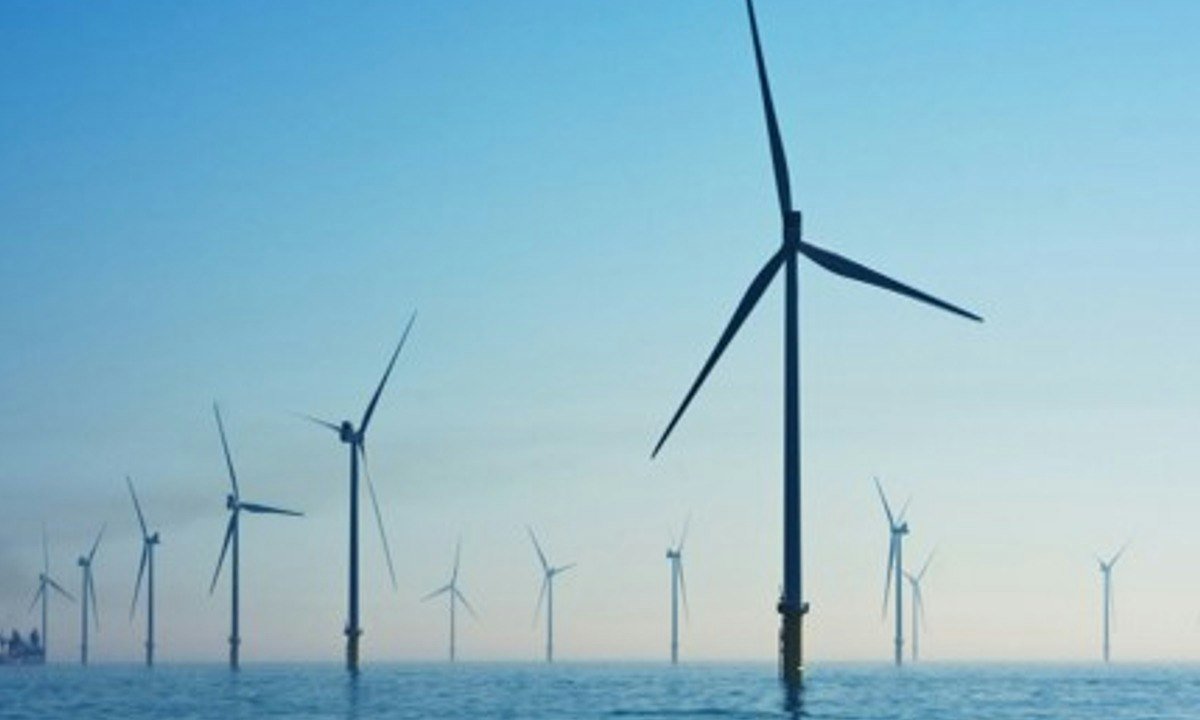
Welcome to the exciting world of Wind Power Generation – a journey into harnessing the natural force of the wind to power our future. By the end of this course, you will be able to: • Recall the history of wind power and articulate the working principles of various wind turbine types. • Apply knowledge to optimize wind farm spacing and design effective power evacuation strategies. • Assess methods for protecting wind turbines and wind farms. • Integrate information from various modules to create a comprehensive wind energy system design, including turbine selection and innovative technologies. • Synthesize information on bladeless wind power technology, geothermal energy, and emerging wind generator designs (Power Pod, Vortex Bladeless, Solid State, INVELOX, Saphonian). In Module 1, we'll delve into the roots of wind power, tracing its fascinating history. From the traditional windmills of the past to the cutting-edge turbines of today, you'll gain a deep understanding of how wind energy has evolved. We'll demystify the working principles behind different types of wind turbines, exploring their components and applications. From theoretical concepts to practical calculations, we'll develop the skills needed to size and optimize wind turbines. This module will also take us on a journey across the Global Wind Atlas, unlocking the potential of wind energy across the world. You'll discover how wind power plants play a crucial role in our quest for sustainable energy solutions. As we move into Module 2, we'll confront the challenges and considerations in Wind Power Generation. We'll explore the advantages and tackle the obstacles faced by the industry. From on-shore to off-shore technology, we'll understand the critical factors influencing wind farm optimization. We'll delve into power evacuation – ensuring that the energy generated by wind power plants reaches its destination efficiently and reliably. From protecting individual turbines to connecting them with substations. And, in Module 3, we'll explore the frontier of Wind Power Technology. Get ready for a glimpse into the future with bladeless wind power technology, and innovative designs like the Power Pod, Vortex Bladeless, Solid State, INVELOX, and Saphonian Bladeless Wind Turbine. Finally, in Module 4, our focus turns to grid integration and power evacuation strategies. You will learn about renewable energy forecasting, grid connection techniques, load management, and regulatory frameworks like Power Purchase Agreements (PPA) and renewable energy tariffs.
YouTube
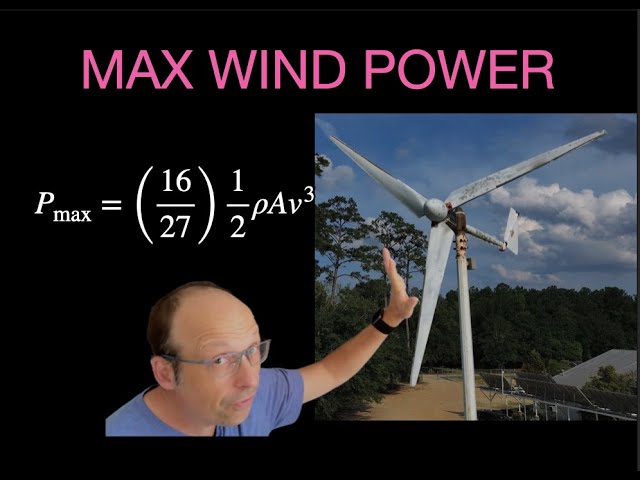
Explore the fundamental physics behind wind energy extraction in this 22-minute educational video that derives and explains Betz's Law, the theoretical limit for wind turbine efficiency. Learn how to calculate the maximum power that can be extracted from moving air when it encounters a wind turbine rotor of area A, starting with an initial wind speed v1. Discover the mathematical derivation that proves no wind turbine can capture more than 59.3% of the kinetic energy in wind, regardless of design improvements. Understand the physical principles governing momentum conservation and energy transfer as air flows through a turbine rotor disk. Master the key equations and assumptions that lead to this fundamental limit in renewable energy engineering, providing essential knowledge for anyone studying wind power systems, aerodynamics, or sustainable energy technologies.

Udemy
Learn all about the practical industry knowledge of Wind Turbines and the Wind Energy Industry with this course! What you'll learn: Understanding wind: We will be looking at the fundamentals of wind assessmentWind turbine design: We will look at each of the components within the wind turbine in great detail and let you know what makes good designSiting: We will go through the general rules of the siting processReliability: We will look at how to determine the reliability and condition monitoring of wind turbinesCost Assessment: How to Justify the Wind Farm InvestmentProject Flow: What is the overall blueprint of a wind farm project?Careers: What are the careers in the wind energy industry? Wind Energy Fundamentals: Renewable Energy Power Course is a comprehensive video course where you can learn all about wind turbines and wind farm that are essential in working in the industry; from basic knowledge to how to design and manage wind farm projects.I have handcrafted this course to allow students to acquire core fundamental knowledge on the wind turbines as well as how to apply it in the wind energy industry.If you are currently or working towards being an energy engineer and wind turbines are something that you need to work with, you will find this course of great help to get the fundamental knowledge you need to kick start your professional career. If you are looking to work in this industry, this course will provide you with the fundamental knowledge that you need as well as a blueprint on what professions are needed in this industry. So let's get started! Let's start your fulfilling journey and mark an important point of your phenomenal career!

Udemy
All you need to know about wind energy, wind turbines and wind farm modeling Using Python What you'll learn: Basic concepts of regarding wind energy and wind turbineWind power curve and power coefficient assessmentWind distributionHow to model a single wind turbine using PythonWhat is wind farm and how to model a cluster of wind turbines using PythonVisualization and analyzing the results Wind Energy is one of the most famous renewable resources in the world. There are lots of tutorials out there regarding Wind Energy and Wind Turbines Modeling, however, most of them are not following a clear path, and they will confuse the students. Therefore, I decided to create this course to not only show you all the complicated terms and concepts about wind energy in simple terms but also teach you how to develop a wind turbine or a wind farm model for any location in any part of the world! Amazing right? In this course, you will learn:-The concepts of wind energy -The basics of wind turbine-Some basics about coding in Python-How to formulate a wind turbine model-How to write a python code to calculate the power output of a small-scale wind turbine-How to download wind speed and other related data from the Internet for any location-How to develop a practical model for single wind turbine power output-What is Wind Farm and how to develop a wind farm model in Python-How to visualize the resultsSince this course is designed for all levels (from beginner to advanced), we start from the beginning, we start every concept from the beginning, and code each model together in Python. Each line of code will be explained carefully. One thing that makes this course different from other courses is, by enrolling in this course, you don't need any prerequisites since I even created even a complete tutorial to teach you the basics of the Python programming language that you need for this course before we start coding! Moreover, we don't use ready codes, and together we get our hands dirty during the course to write all the codes! This course is designed in a way to make you from zero to hero and after taking this course, you will be able to:`Download, visualize, and analyze the wind speed data for any location in the world! Visualize the power curve of the downloaded data Create a wind turbine model considering all the real-life parametersCreating a practical wind farm model

YouTube
Explore the application of multi-physics simulation to floating offshore wind turbines (FOWTs) in this 53-minute presentation by Dr. Johyun Kyoung, VP of Technology and Co-Founder at Front Energies. Gain insights into the growing importance of FOWTs as a key strategy for achieving carbon neutrality, with a focus on South Korea's ambitious plans to develop a 6GW FOWT commercial farm by 2023. Understand the unique challenges faced by FOWTs, including transient wind turbine loadings and continuous wave loading, which can lead to structural damage and integrity issues. Learn about the need for computationally efficient methods and tools to assess fatigue damage in FOWTs for practical analysis and design. Discover the multi-physical problems associated with FOWT analysis and the offshore industry's efforts to design these innovative structures.
YouTube
Learn about material selection principles for wind turbine components in this 31-minute lecture that explores the evolution of turbine design, blade profiles, and rotor diameter sizes. Examine the fundamental aspects of composite materials, comparing their properties with conventional metals used in wind energy applications. Dive into the structure and function of fiber-reinforced polymers, understanding the distinct roles of matrix and reinforcement materials. Master key concepts in composite classification, polymerization processes including addition and condensation methods, and discover how advanced composite materials are revolutionizing wind turbine construction through practical examples and property comparisons.

Coursera
The main goal of this course is to get the necessary knowledge on atmospheric and fluid dynamics in order to quantify the wind resource of a local or regional area. We’ll learn about basic meteorology, the specific dynamics of turbulent boundary layers and some standard techniques to estimate wind resources regardless of the type of turbine used or the level of efficiency achieved. Then, we will see what are the turbines characteristics to consider in order to estimate the electricity production from an isolated turbine or from a turbine farm. The differences and similarity between wind or marine resource assessment will also be discussed. Finally, you will have the opportunity to get hands-on experience with real in-situ data sets and apply what you have learned on wind resource assessment.

YouTube
Explore groundbreaking renewable energy research presented at the 2011 AGU Fall Meeting press conference that has the potential to revolutionize the energy landscape. Delve into Martin Graus's experiments on biofuel crops, focusing on their varying crop growth emissions. Discover Julie Lundquist's findings on the "wake effect" behind wind turbines and its impact on local wind patterns and turbine efficiency. Examine Yelena Pichugina's analysis of high-resolution wind data from offshore New England, revealing wind-flow patterns at modern turbine heights. This 35-minute conference talk features insights from leading researchers in atmospheric and environmental sciences, offering valuable information for those interested in renewable energy advancements and their implications for wind farms and energy companies.

FutureLearn
Gain a solid introduction to offshore wind energy with the University of Bergen Global investments in offshore wind energy are expected to increase significantly. Therefore, there is a growing need for specific knowledge on the opportunities and challenges in offshore wind. This six-week course will provide you with a strong foundation of key issues related to the utilisation of offshore wind. Learning from the experts at The University of Bergen, Norwegian Research Centre (NORCE) and Western Norway University of Applied Sciences (HVL), you’ll finish the course with an understanding of the different perspectives, ambitions, and obstacles within the sector. Understand how wind turbines operate You’ll start with an overview of the key components of an offshore wind turbine. Next, you’ll be introduced to the basic aerodynamics of wind turbines, delving into the different components of a wind turbine and the principles used in a rotor blade. Through this exploration, you’ll understand how we extract energy from wind and how this converts to power. Explore the societal issues of offshore wind Next, you’ll look at the industry from a European perspective, focusing on Norway as a world-leader in offshore operations. You’ll dive into the legal framework of offshore wind, including Europe’s ambitions and targets. Through this exploration, you’ll start to understand the societal issues surrounding offshore wind and how the sector can co-exist with other industries such as aquaculture, marine transport, and tourism. Understand how offshore wind impacts the marine environment Finally, you’ll discuss the impacts of offshore wind on the marine environment. You’ll discover how turbines can impact marine life such as marine mammals, fish, and birds. By the end of the course, you’ll have a solid understanding of the opportunities and challenges of offshore wind energy. The course is designed for people planning to work in or close to the offshore wind industry. However, as no prior experience is needed it is also for anyone interested in offshore wind.

YouTube
Learn to model Canadian wind turbine capacity using decision trees and the tidymodels framework in this 40-minute tutorial. Explore data preparation, create exploratory plots, and analyze relationships within the #TidyTuesday wind turbine dataset. Dive into stratifying data, tuning decision trees, and collecting metrics to evaluate model performance. Visualize tree partitions, interpret results, and gain insights into predicting wind turbine capacity. Follow along with the provided code on Julia Silge's blog to enhance your understanding of decision tree modeling and data analysis techniques.

YouTube
Explore the fascinating world of biomimicry in this 57-minute talk by biologist Janine Benyus at The Aspen Institute. Discover how nature's 3.8 billion years of perfect balance can inspire sustainable solutions in design, engineering, and business. Learn about innovative approaches such as repelling bacteria like a shark, gathering fog like a desert beetle, and circulating resources like a forest. Gain insights into how biomimicry can lead to beautiful, functional, and sustainable designs that take cues from the natural world. Understand why Benyus champions the idea of nature as the ultimate mentor for human innovation and sustainability.

YouTube
Explore the fascinating world of wind turbines in this 22-minute video from Engineering Mindset. Discover the intricate mechanics and engineering principles behind these renewable energy powerhouses. Learn about the various components, from massive blades to complex gearboxes, and understand how they harness wind energy to generate electricity. Gain insights into the technological advancements that have made wind turbines increasingly efficient and cost-effective. Delve into the challenges faced by engineers in designing and maintaining these structures, and explore their role in the global shift towards sustainable energy solutions.

Coursera
The energy revolution in underway. Renewable energy is growing at an astounding pace - notably in electricity. Wind turbines and solar photovoltaic (PV) systems account for most new power plants built worldwide, and are essential to building a low-carbon and sustainable energy future. As a result, there are countless new opportunities in renewable electricity. This course provides a solid grounding in the basics of renewable electricity. We'll start with how electricity is measured, how electricity systems operate, and how renewable technologies like wind turbines and solar PV work. We'll then cover technical and market fundamentals: how and why renewables are driving change in electricity systems worldwide, how electricity systems are changing to accommodate all these new renewables, and what that all means for those seeking to understand and participate in the global transformation of electricity systems. This global transformation is just beginning; with knowledge gained from this course you'll be ready to jump on board. Course logo image credit: "Wind Turbine" icon courtesy of Vectors Point from the Noun Project.

YouTube
Learn about advanced material selection concepts for wind turbine components through a 28-minute lecture that explores polymer science and its applications. Delve into polymerization processes, comparing addition and condensation methods, while understanding crucial thermal properties including glass transition and heat distortion temperatures. Examine the fundamental differences between thermosets and thermoplastics, analyze chemical structures of polymer matrices, and discover how matrix properties influence wind turbine performance. Master essential materials engineering concepts presented by NPTEL-NOC IITM that are vital for designing efficient and durable wind energy systems.
YouTube
Learn about the crucial properties and components of matrix materials used in wind turbine construction through this 24-minute lecture from NPTEL-NOC IITM. Explore matrix characteristics including crystallinity in polymers, solvent and water resistance, gas permeability, fire resistance, electrical properties, and fiber wet-out capabilities. Gain insights into various additives and materials incorporated into matrices, such as fillers, pigments, viscosity control agents, surface agents, and anti-foaming agents - all essential elements in optimizing wind turbine performance and durability.